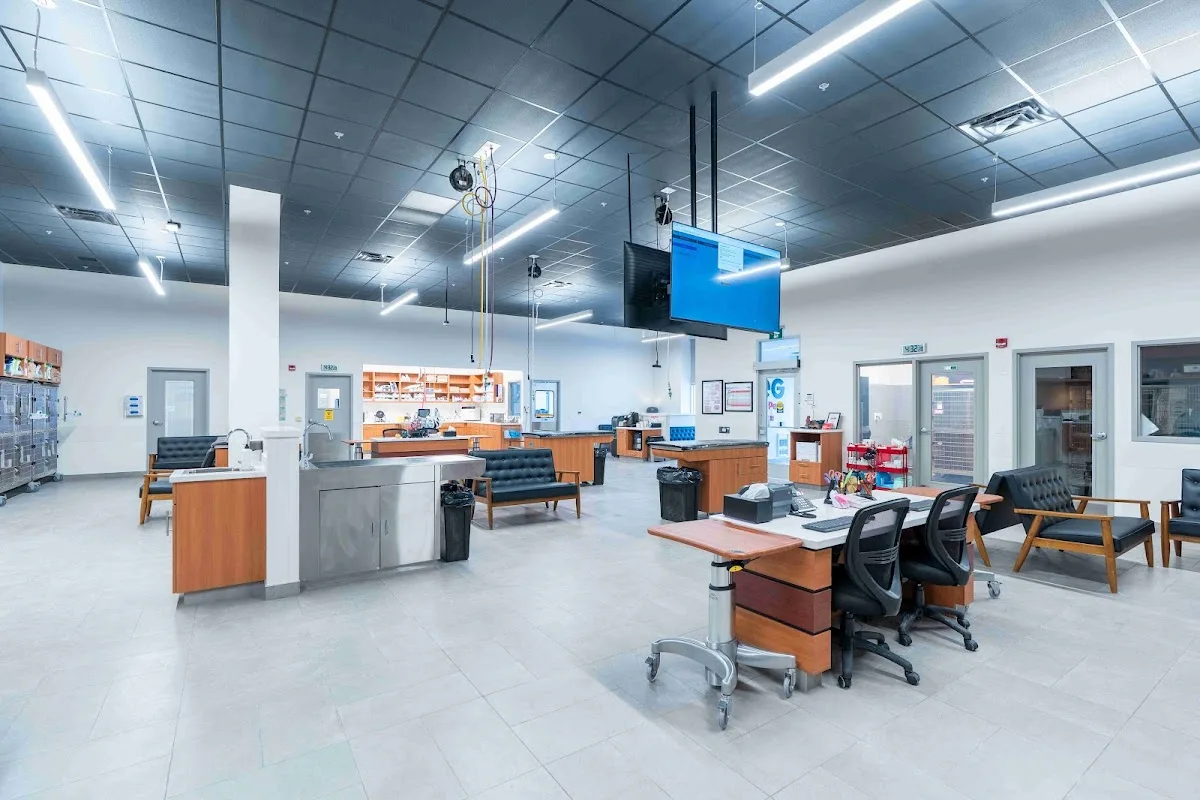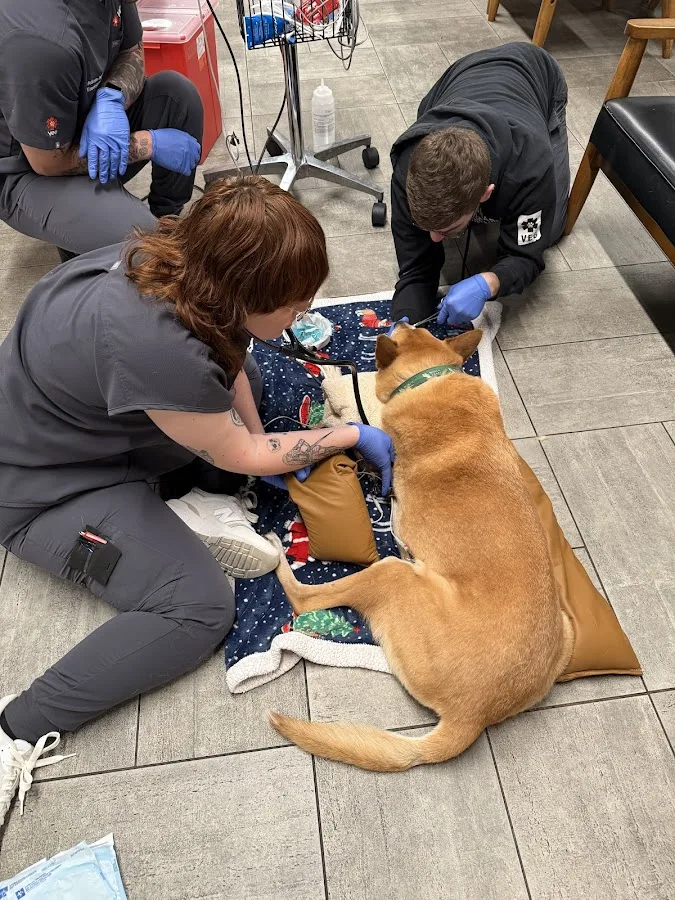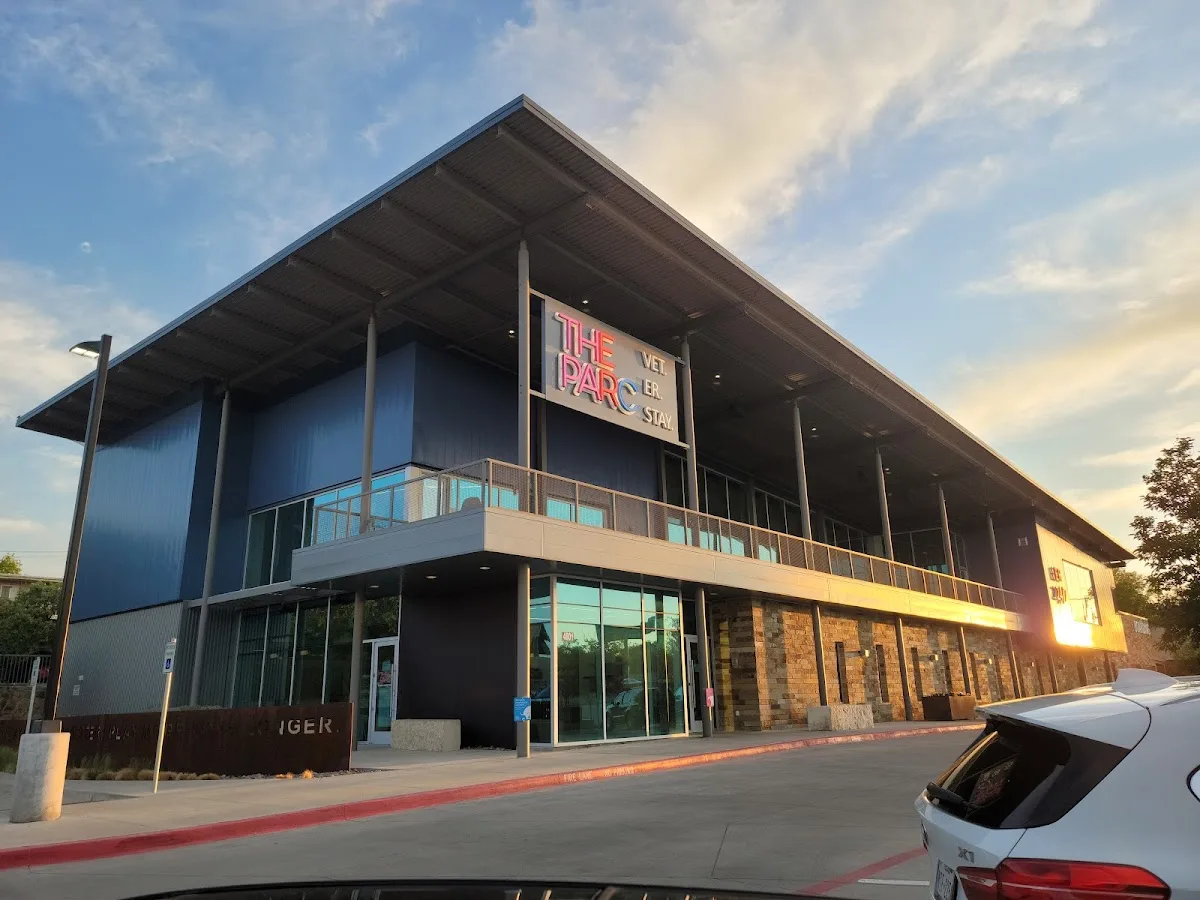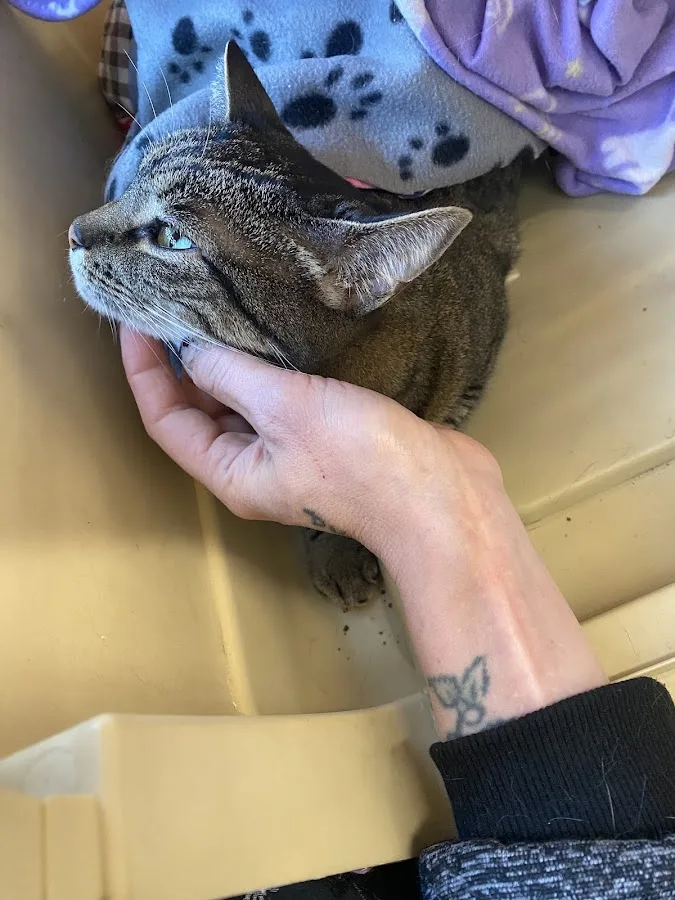
In an emergency, your decision isn’t only “where should we go?”—it’s also “will they be able to see my pet when we arrive?” VEG ER for Pets in Pittsburgh is listed as an open 24 hours, seven days a week emergency facility, with an address at 6244 Penn Ave, Pittsburgh, PA 15206 and a direct phone line at (412) 690-0511.
This guide focuses on call-ahead triage confirmation: the specific details you can verify before you load the carrier, so you show up with the right information and reduce delays.
Start with one question: can they handle your pet’s category of emergency right now?
When you call (412) 690-0511, your goal is to confirm that the hospital’s current workflow can match your situation. Instead of describing the whole story up front, lead with the emergency category you’re most confident about (for example, breathing difficulty, severe vomiting, suspected poisoning, bleeding, or injury from a bite). VEG states it is open 24/7 and handles urgent pet care and emergency cases, but your question should be practical: “Are you able to see my pet today/now, and what intake steps should I follow when we arrive?”
That single question matters because emergency triage is time-sensitive, and hospitals sometimes prioritize by urgency, staffing, or case type.
Use a “triage packet” you can repeat in under two minutes
Even if the team asks follow-up questions later, having a short triage packet helps them sort your pet quickly. For the call, be ready with:
1) Species, age, and any known diagnoses (even if you’re unsure—share what you suspect).
2) What changed and when (for example, “started vomiting about 3 hours ago”).
3) Current symptoms in plain terms (rate of breathing, ability to stand, vomiting frequency, gum color if you know it).
4) Medications and possible exposures (names of meds, supplements, plants, chemicals, or foods involved).
5) Any records you have available to reference.
VEG’s location page emphasizes that pets can come in without appointments and that emergency care begins when you walk in, but the call can still help you prepare for intake steps. If you arrive by car, have your pet’s carrier ready and your facts organized so your answers stay consistent even if you’re stressed.
Confirm arrival and on-site flow for a smoother drop-off
Before you drive to 6244 Penn Ave, ask what to do on arrival. On the official VEG Pittsburgh page, the clinic describes a process designed to help owners get their pets in quickly, including a 15-minute “white curb” drop-off zone on Spirit St and guidance to follow Veterinary ER signs to the front door. They also note that you can call ahead so someone may meet you at the entrance.
While you don’t need to memorize every parking detail, you do want to confirm:
• Where you should enter
• Whether there’s a preferred drop-off vs. parking workflow
• What to do if you can’t reach the curb zone
If you’re arriving at 2 a.m. or after a storm, these “small” confirmations can prevent larger delays at the worst moment.
Bring what improves veterinary decision-making—and ask what they still need
Emergency teams make fast triage decisions using information they can confirm quickly. Pack anything that helps them evaluate your pet with fewer interruptions:
• Vaccination records if you have them
• A list (or photos) of medications and doses
• Any discharge instructions from a prior visit, if relevant
• Evidence of exposure (the plant, packaging, or product label—if safe to bring)
VEG’s public listing also provides a high-level reputation signal: it shows a 4.6 rating across 899 reviews. Reviews can reflect how owners felt about communication and the overall experience, but for emergency care, the most reliable step is still confirming intake expectations by phone.
In your final call, ask one targeted question: “What should we bring, and what should we do first while we’re on the way?” If you don’t have a medication list, tell them what you do know—honesty helps the team adapt.
How to decide you’re ready to drive (and what not to wait for)
Once you’ve confirmed that VEG ER for Pets is able to see your pet and you understand the arrival flow, you can make a “go/no-go” decision. As a rule, don’t delay transport for paperwork you don’t have. Instead, focus on speed plus accuracy: share the key timeline, bring the essentials, and keep your pet as calm and contained as possible during the ride.
If symptoms worsen on the way, stop and call again so the team can update triage expectations. Emergency veterinary care is designed to handle urgent cases around the clock, and your job is to arrive with the clearest possible information.