When you’re searching for emergency veterinary care, the hard part isn’t only finding the address—it’s making sure the hospital can take your pet and route you correctly through triage. For the University of Pennsylvania Veterinary Hospital Emergency Wing, a “24 hours” listing is a starting point, but the smartest next move is to call and align your situation with the emergency service workflow before you head in.
Start with one verification call: can they see your pet right now?
UPenn’s emergency service is published as open 24 hours, and the emergency phone line listed for for emergencies is +1 215-898-4685. Before you leave home, call and share a concise timeline of what changed (when symptoms began, what you observed, and whether anything is getting worse). This matters because emergency intake commonly involves triage based on severity, not first-come, first-served handling.
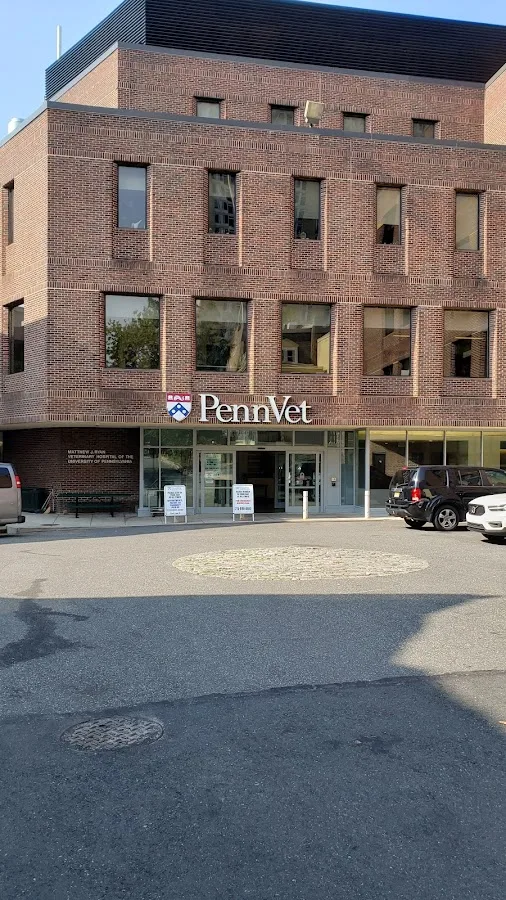
Having the right information on the phone can help the team prioritize your case and tell you what to bring so you don’t lose time once you arrive at 3900 Delancey St, Philadelphia, PA 19104.
Know how triage typically works in an emergency veterinary department
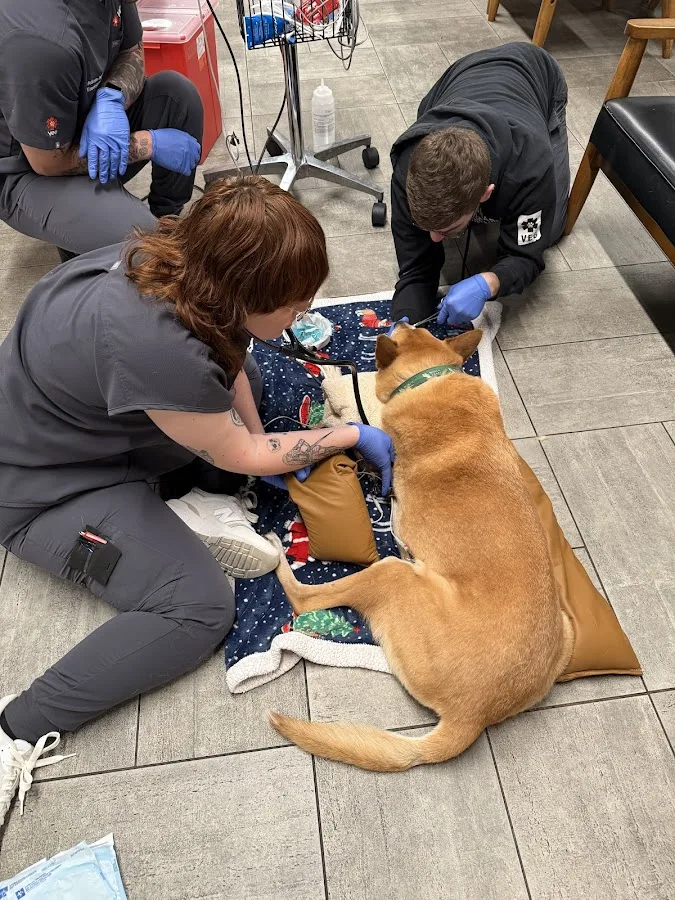
On UPenn’s emergency service page, the hospital describes an emergency department process that includes triage. Upon arrival, a pet is seen by a triage nurse or veterinary student who prioritizes care needs based on symptoms and how sick or injured the animal is. You’ll be asked for a brief history of the problem, and the team may move your pet to a treatment area for evaluation or monitoring until a veterinarian can speak with you directly.
If your pet needs immediate medical care, you may be asked for permission to begin treatment right away. That consent-for-stabilization step is part of how emergency care keeps moving when seconds matter.
Bring a “triage packet” you can repeat in minutes
To support an efficient triage conversation, gather the details you can clearly state even if you’re stressed:
- A short timeline (e.g., “symptoms started at 2:00 a.m.,” “vomiting began 30 minutes after,” “bleeding started suddenly”).
- Current medications, including doses if you know them, plus any known allergies.
- Vaccination status if relevant and available.
- Any home observations: breathing effort, response to food/water, vomiting/diarrhea frequency, mobility changes, or behavior shifts.
This doesn’t replace veterinary assessment, but it gives the intake team the kind of history they use to prioritize urgent cases.
Use the hospital’s emergency capabilities as a guide—then confirm for your case
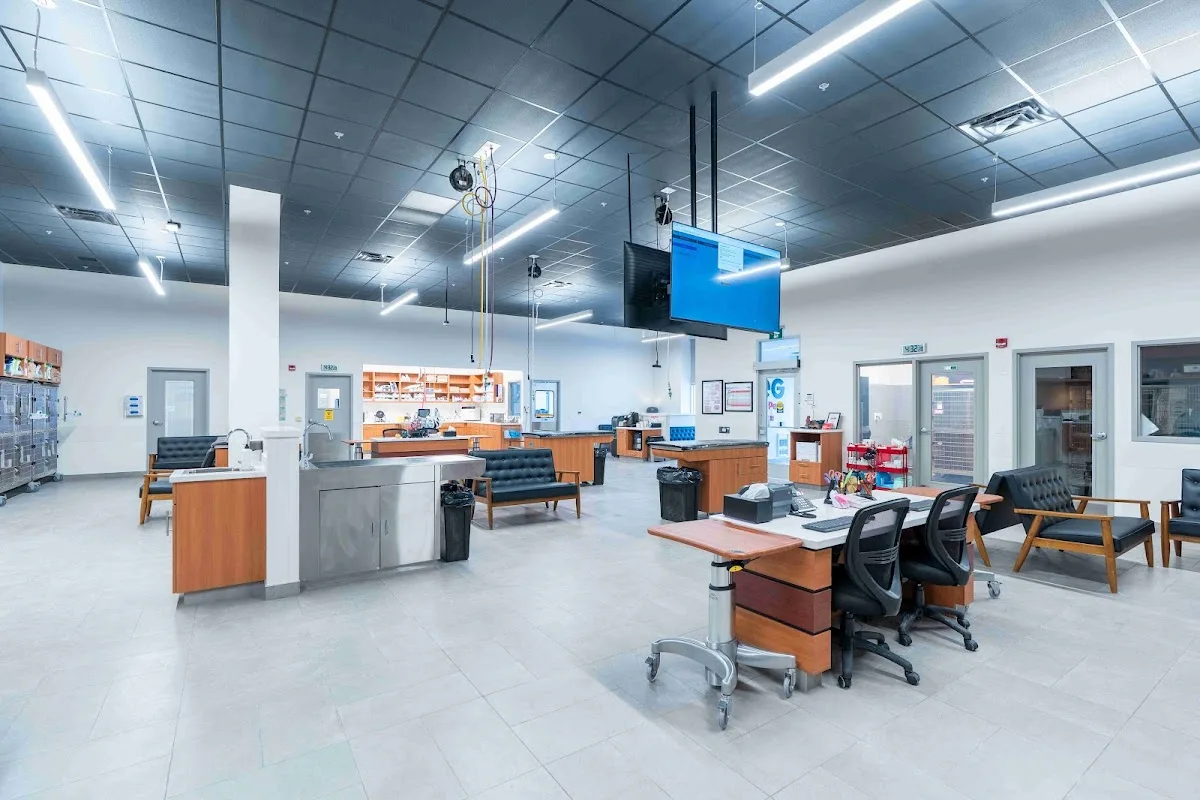
UPenn’s emergency service describes board-certified specialists and an emergency service running 365 days per year. Their emergency care also references advanced diagnostic capabilities, with quick evaluations on-site. In the same service description, UPenn notes that triage and care decisions happen within the emergency setting, and that the hospital provides life-saving care throughout the day and night.
Public listings also show a 4.5 rating across 339 reviewers. While reviews can’t tell you whether a specific case will be accepted instantly, they can be a useful signal that many pet owners have gone through the emergency front desk and intake process successfully.
Even with those signals, treat your specific situation as the deciding factor: call first and ask whether they can handle your pet’s likely needs based on what you’re seeing.
Plan your arrival and expectations so nothing slows triage
Because emergency departments may prioritize based on severity, it’s wise to build in extra time for parking, check-in, and moving your pet to the correct area. If you’re coming from far away or you’re unsure about the best route, ask the phone line for practical guidance.
Finally, be ready for the reality of emergency medicine: diagnostics and stabilization steps can be initiated quickly when the team determines they’re needed. The published emergency service workflow describes both triage and the possibility of immediate treatment with consent for stabilization.
In an emergency, the most helpful “preparation” is often the simplest one: call the emergency line at +1 215-898-4685, share your pet’s timeline and key details, and bring a concise medication and history packet to support triage at 3900 Delancey St.