For an Austin pet owner deciding where to seek urgent veterinary help, a useful question is not just whether a clinic is nearby. It is whether its published hours, walk-in process, animal scope, and exact destination fit the situation. VEG ER for Pets in South Lamar lays out several of those details on its location page, making it possible to check important logistics before setting out—without treating a website description as a substitute for speaking with the veterinary team.
South Lamar’s published details make the first check practical
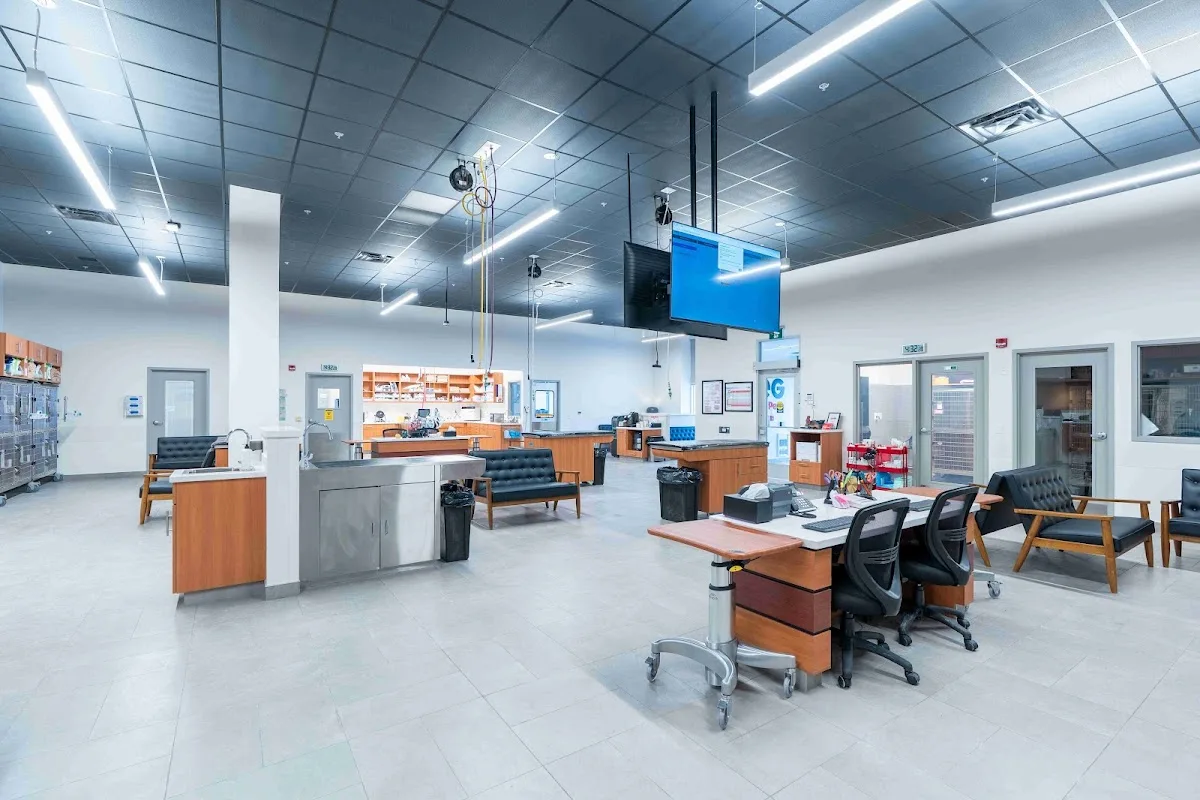
The official location page identifies this VEG animal hospital as a 24-hour emergency and urgent-care facility in Austin’s South Lamar neighborhood, open seven days a week, including holidays. The public listing gives the address as 4211 S Lamar Blvd Ste A-10, Austin, TX 78704, and the phone number as +1 737-243-9408. Matching the street and suite information against a map or the clinic’s current directions can help avoid confusion when navigating to a specific location.
The location page also describes the hospital as being in Lakehills Plaza, with parking accessible from S Lamar Boulevard, Victory Drive, and West Ben White Road. That is useful arrival context, but it is not a guarantee about real-time parking or traffic. Owners who need help carrying or guiding an animal into the building can call ahead; the page says staff can meet them at the entrance. For urgent situations, confirming the route and asking about immediate arrival logistics may be more useful than relying on a general map pin alone.
Confirm the walk-in process, not an appointment slot
VEG’s South Lamar page says the location accepts emergency and urgent-care walk-ins and does not take appointments. It also recommends calling before coming in so the team is familiar with the situation. That distinction matters: a walk-in policy tells an owner how the clinic describes access, but it does not provide a live estimate of how quickly a particular pet will be assessed or what care will be recommended.
The page invites callers to speak with a veterinarian about concerns and whether coming in is appropriate. Owners can give a concise description of what they have observed, when it began, the animal’s species, and their approximate arrival time. If travel has already started, a call to +1 737-243-9408 can help the clinic understand the reason for the visit. The site’s call-first guidance is a practical step, not a promise about wait time, case acceptance, or outcome.
Check whether the listed animal scope includes your pet
The South Lamar page names dogs, cats, birds, rabbits, reptiles, rodents, and exotic pets among the animals the hospital says it treats. That breadth can matter to households with a companion animal outside the usual dog-and-cat categories. Still, the list should be used as a starting point for a direct question, not an assumption that every species, condition, or specialist need is handled in the same way at every moment.
If the pet is a bird, reptile, small mammal, or another less commonly seen animal, state the species clearly when calling and ask whether the clinic can assess the specific concern. Owners may also ask what information would help the veterinary team prepare, such as the animal’s approximate size or any relevant history. Those are communication prompts, not medical directions; a veterinary professional is the right person to advise on the next step for an individual animal.
Separate the stated service menu from the case-specific answer
The official page lists emergency care, exotic-pet care, urgent care, end-of-life care, surgery, endoscopy, ultrasound and X-rays, diagnostics, testing, treatment, and hospitalization. These categories show the range of services described for the location, but they do not establish which procedure or service a particular pet will need. Nor should a broad service list be read as confirmation of staffing, equipment availability, or suitability for every case at a particular time.
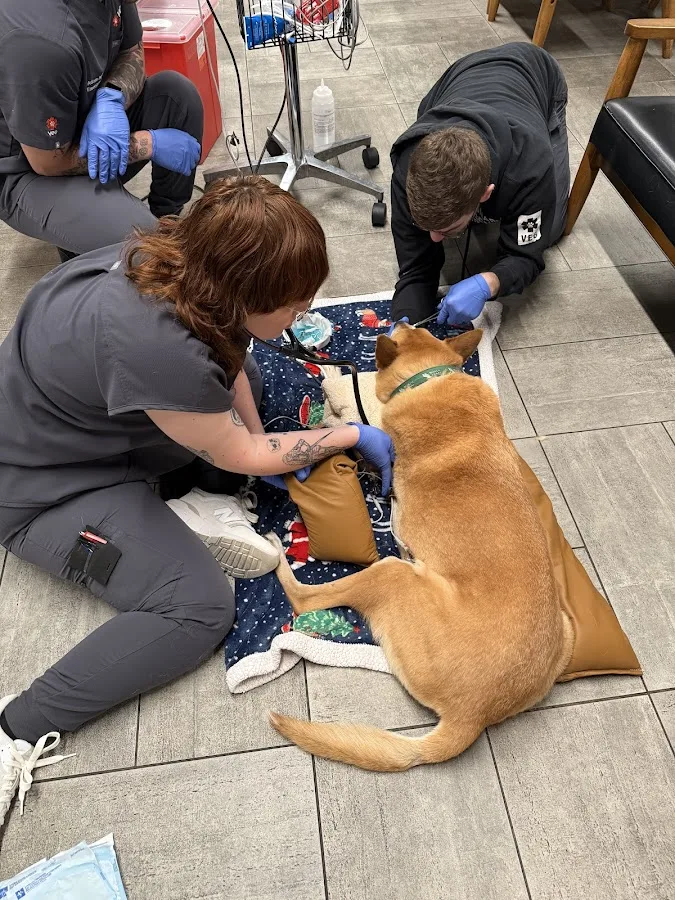
VEG’s page describes its team as emergency-trained and explains that a veterinarian can help callers determine whether a visit is warranted. For an owner comparing options, the useful follow-up is specific: explain the concern, identify the animal, and ask whether this location is the right place to go now. When the answer depends on examination or changing conditions, the clinic itself is best placed to clarify its current capability.
Use reputation and location information in proportion
A public business listing reports a 4.7 rating from 953 reviewers for this South Lamar location. That number can offer a snapshot of customer feedback, but ratings do not establish clinical quality for an individual case or predict a particular outcome. It is more useful as background than as a substitute for checking the clinic’s current services and speaking with its veterinary team.
The listing and the official site serve different purposes: the listing helps identify the address and phone number, while the VEG location page explains the hospital’s stated hours, walk-in approach, animal scope, and services. Because availability and operational details can change, the official page and a direct call are the sensible checks before travel. Owners can use the published information to make a focused decision while leaving diagnosis and case-specific recommendations to a veterinarian.