When a dog or cat is having a sudden emergency, the fastest way to reduce uncertainty is to confirm “triage fit” before you arrive. For Miami Veterinary Specialists’ Emergency Room (Miami), that means matching what you’re seeing to the kind of emergency and specialty support the hospital is built to handle—then giving their team a clean, one-minute case summary.
Below is a practical decision guide built around the essentials that control intake: availability, direct contact, and the information triage typically needs when a pet is brought in for urgent, complex concerns.
Start with the route-controlling facts: call + confirm current availability
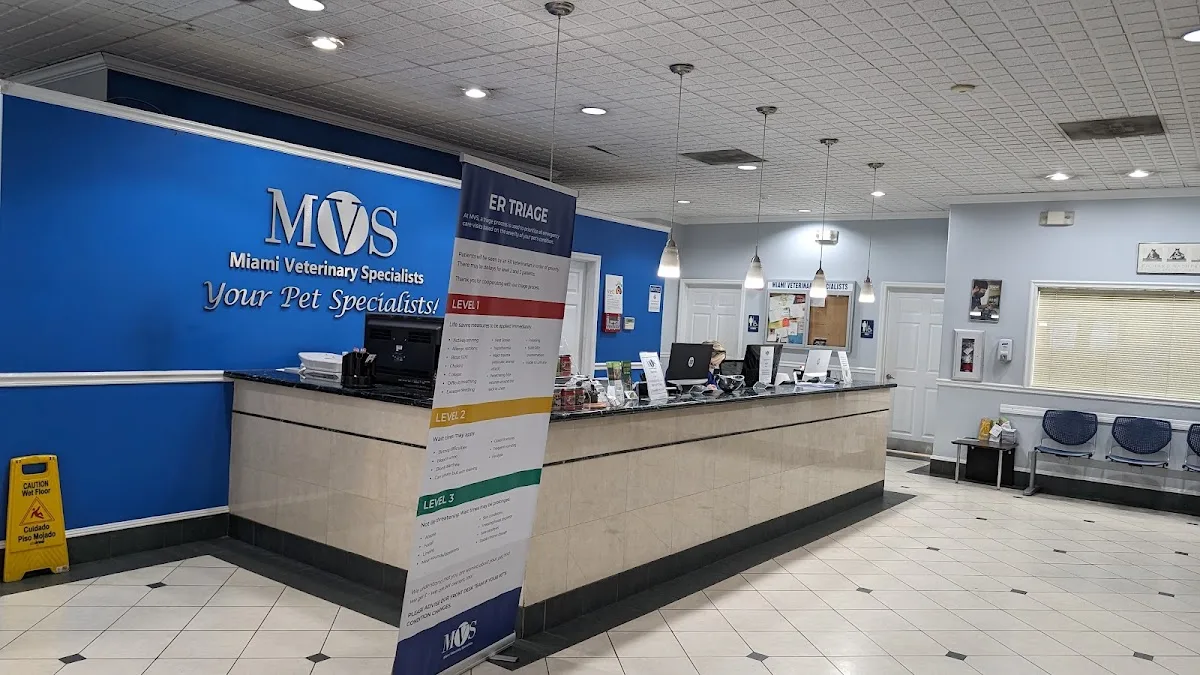
Miami Veterinary Specialists is listed as open 24 hours, which matters when you’re dealing with breathing trouble, trauma, seizures, repeated vomiting, uncontrolled bleeding, toxin exposure, severe pain, bloating, or trouble urinating. Their phone number is +1 305-665-2820, and the address shown publicly is 8601 Sunset Dr, Miami, FL 33143, United States. Many emergency teams prefer you call first so they can prepare for the case and reduce time spent waiting after arrival.
If your pet is actively deteriorating, call while you’re on the way and be ready to repeat your summary. A stable route and quick communication can help triage move efficiently when every minute counts.
Recognize what makes this hospital a “specialty + emergency” option
Miami Veterinary Specialists presents itself as a veterinary specialty hospital with an emergency and critical care role. In practice, that often means the team is equipped to handle cases that may need more advanced diagnostics and treatment planning than a general clinic can provide. For pet owners, the key decision is not just “Can they see my pet?” but “Will they be the right level of care for what we’re bringing?”
You can see how the hospital describes its scope on its official website (http://mvshospital.com/): it highlights 24/7 emergency availability and advanced capabilities for serious, complex, or urgent needs. A listing also reflects strong community feedback, showing a rating of 4.3 from 363 reviewers—useful context, but the real value is still confirming fit for the symptoms you’re seeing.
Prepare a 60-second case summary that triage can use immediately
Before you get to the doors, write down (or dictate) a few details so you don’t have to search for information while you’re stressed. A triage-ready summary should include:
- Species, age, and weight: dog/cat, approximate age, and body weight if known.
- Onset and progression: when symptoms started and whether they’re getting worse.
- Main concern in plain terms: what you notice (for example, difficulty breathing, collapse, seizure activity, repeated vomiting, or trauma).
- Any known triggers: suspected toxin exposure, known injuries, or any recent change in diet/medications.
- What you’ve already tried: if you gave medication or first aid, mention what, how much, and when.
This kind of structured “case snapshot” helps emergency veterinary teams triage faster because it reduces back-and-forth and supports earlier decision-making.
Know what to ask when you call
Even if the hospital is open, triage fit can depend on the type of emergency and whether specialty support is appropriate. When you call +1 305-665-2820, ask questions that directly affect arrival and intake, such as:
- “Are you able to evaluate my pet for the specific concern I’m describing right now?”
- “Should we come in immediately, or is there anything we should do on the way?”
- “Is there any paperwork you need before arrival, or should we bring the pet’s medical records and meds list?”
- “If the case needs advanced diagnostics, what should we be prepared for?”
These questions keep you aligned with their workflow while still respecting the urgency of the situation.
Use the address to plan a safe, low-stress arrival
Because you’re bringing an emergency case, the logistics should support the medical goal: get your pet to intake as smoothly as possible. The address shown publicly for Miami Veterinary Specialists is 8601 Sunset Dr, Miami, FL 33143, United States. Plan your route in advance and bring the essentials in a way that doesn’t delay you at the door.
At minimum, have your pet’s vaccination/medical history if available, a current list of medications (name + dose), and any details about exposures. If your pet is difficult to handle, mention that when you call so triage can advise on safe handling steps.
After you arrive, what “good triage” tends to look like
Once you’re in, effective triage usually means the team quickly confirms the most urgent threats, stabilizes as needed, and communicates next steps based on what they find. Your job as the pet owner is to stay focused on accuracy: repeat the timeline, report changes you noticed, and answer questions clearly. If the team asks for clarification, treat it as part of narrowing down the highest-priority concerns.
Miami Veterinary Specialists is positioned as a 24/7 emergency and specialty option, with the essentials—phone contact and a documented address—listed publicly for pet owners who need help outside normal hours. When you use those facts to prepare a concise story and ask fit-focused questions, you reduce delays and help triage start on the right track.