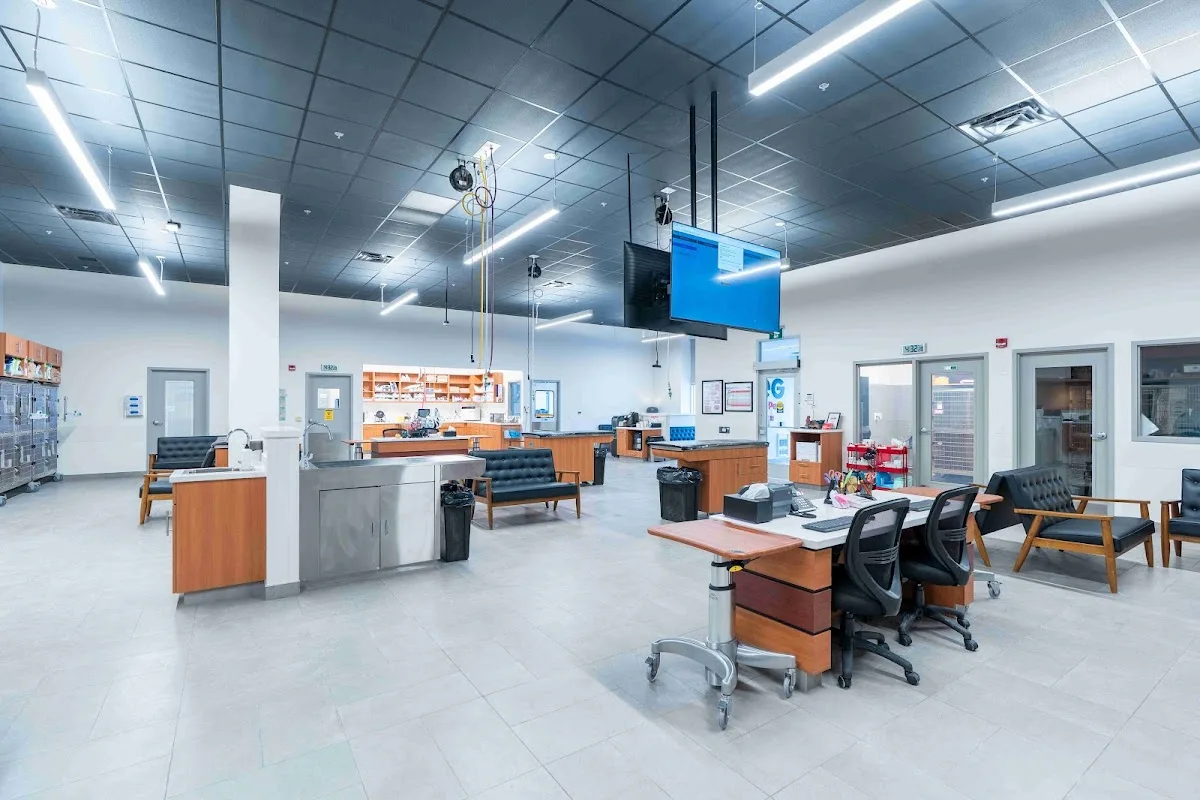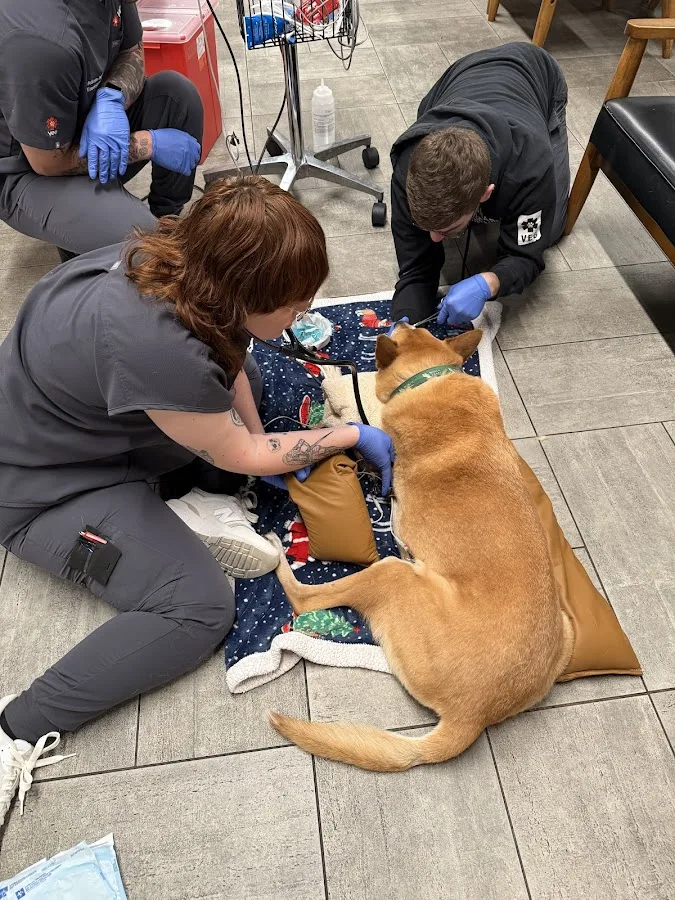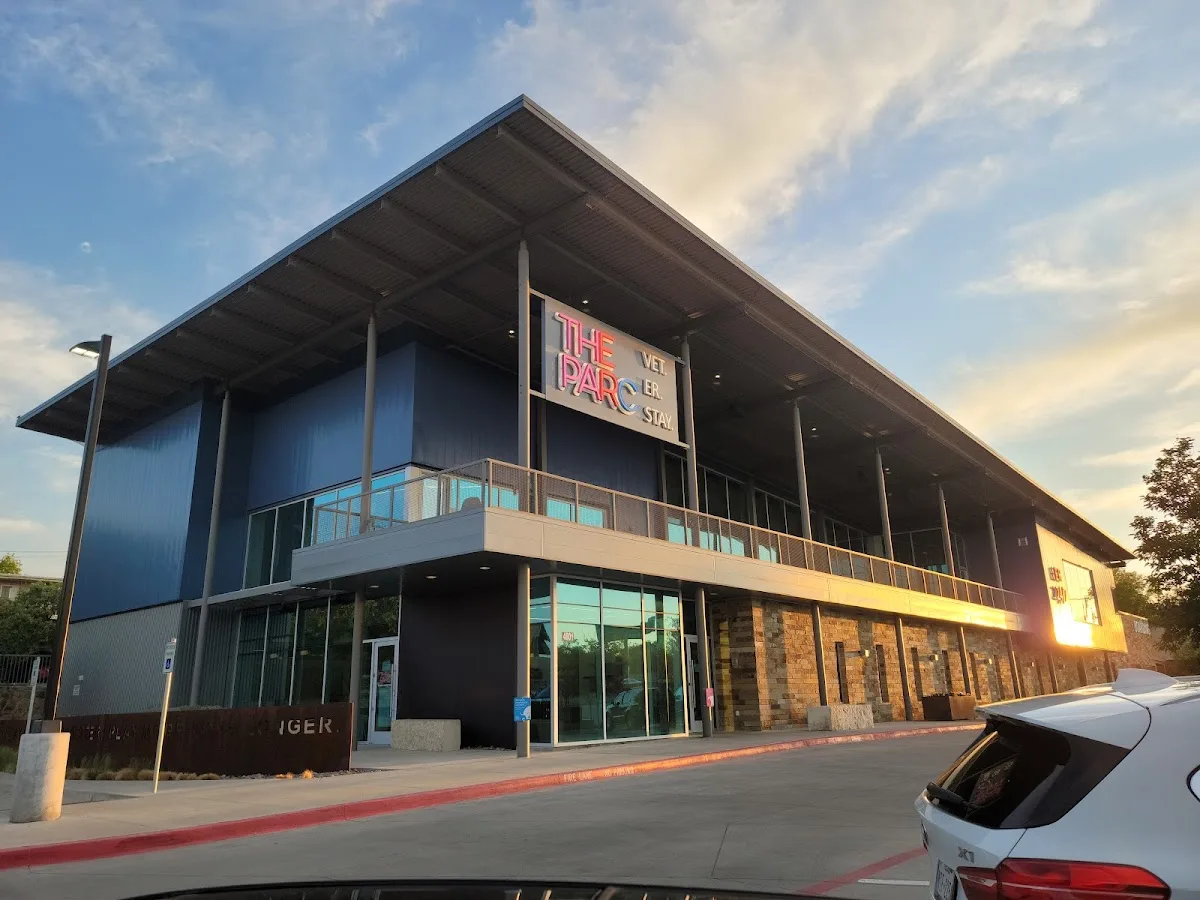
When your dog or cat is having an urgent medical issue, “finding an emergency vet” quickly becomes a decision about fit. Miami Veterinary Specialists is a veterinary specialty hospital in Miami that advertises emergency and appointment care open 24 hours a day. The fastest way to reduce uncertainty is to call first and confirm that the hospital can triage and support the specific problem your pet is showing.
Start with the route-controlling basics (then verify fit)
For Miami Veterinary Specialists, the key facts you should have ready are: 8601 Sunset Dr, Miami, FL 33143, United States, and +1 305-665-2820. The hospital also lists emergency availability as open 24 hours. Before you arrive, call to confirm they are ready for your case right now, especially if the situation is actively worsening.
In a true emergency, triage is time-sensitive. A short call can help you avoid a wasted trip and can give the team a head start on intake.
Why “specialty + emergency” matters for complex cases
Miami Veterinary Specialists positions itself as an advanced veterinary specialty hospital for pets with urgent, complex, or serious medical needs. That positioning matters if your pet’s symptoms may require more than routine exam and basic diagnostics. On the clinic’s site, emergency care is described alongside specialty services and advanced diagnostics and treatment options.
Practically, you are trying to confirm that this hospital’s emergency workflow and on-site capabilities match your pet’s needs—especially when symptoms are severe, recurring, or not improving.
Use a 60-second case summary to speed up triage
When you call, don’t just describe symptoms—organize them so the triage team can quickly decide how to route your pet. A helpful structure is: species and age, when symptoms started, what you observed, whether anything worsened or improved, and any known history that could change risk.
For example, if your pet has difficulty breathing, collapse, seizures, repeated vomiting, trauma, uncontrolled bleeding, toxin exposure, severe pain, bloating, or trouble urinating, say that plainly. If you have records or medication details (even a phone photo), mention that too. The goal is a clear picture that helps triage decide urgency level and next steps.
Confirm what to bring and what to ask before you drive
After you share the basics, ask targeted questions that reduce delays once you arrive. These are especially useful when you are deciding between waiting at home, driving straight in, or bringing paperwork from a referring veterinarian.
Consider asking: “Is there anything specific you want us to bring for triage?” and “Do you handle this type of emergency here, or would you refer us for specialty care?” If your pet was referred for advanced diagnostics or has a condition that may require support beyond routine care, confirm how the hospital wants that information delivered.
Plan around communication and expectations
Even at 24-hour emergency hospitals, timelines depend on severity and case mix. A common mistake is assuming that “open 24 hours” automatically means immediate treatment start for every arrival. A better approach is to treat the call as part of the process: verify triage fit, then arrive with a concise summary so the team can work efficiently.
Pet owners also often compare options using review signals. Miami Veterinary Specialists is listed with an average rating of 3.4 from 952 reviewers, which can be a useful data point as long as you still verify clinical fit for your exact situation.
If you’re calling from the car or walking in with an urgent pet, remember: the most useful thing you can do is make the first conversation structured. Confirm address and phone, confirm the hospital can take the case, and bring a 60-second summary so veterinary triage can move with less back-and-forth.