Emergency and specialty veterinary care answer different questions. Emergency care responds to how urgently an animal needs attention; specialty care brings advanced expertise in a particular field. At Advanced Veterinary Care in Salt Lake City, the two are offered by the same practice, but they have different purposes and schedules. Knowing the distinction can help you understand whether a concern calls for emergency access or a specialty referral—and why a pet’s care may involve both.
Emergency care responds to urgency
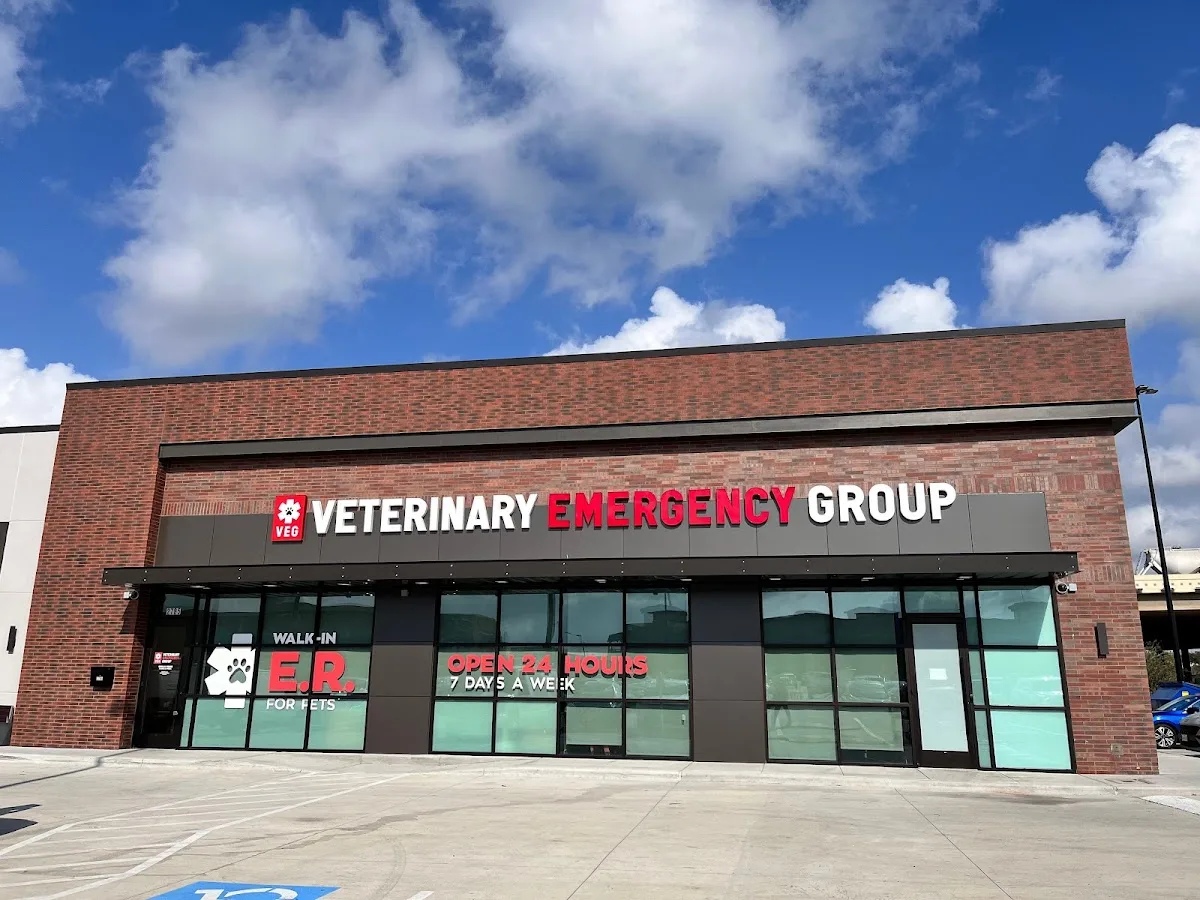
Advanced Veterinary Care describes its emergency team as caring for pets with serious or life-threatening conditions. Emergency care is available 24/7, and pets may walk in without an appointment.
A pet can need immediate attention and later benefit from expertise in a particular field. The first decision is whether the situation is urgent; veterinary assessment then helps determine whether a specialist should contribute and what question that specialist would address. A problem’s urgency alone does not identify the relevant specialty, so owners need not choose one before an examination.
Imagine a pet suffers a serious injury after the family veterinarian has closed. The owner can seek emergency assessment without first deciding whether the case belongs to surgery or another specialty. When describing the situation, note when the injury occurred, what changed, and any care already given. A veterinarian can assess the pet and determine whether focused expertise should contribute to the next steps.
Specialty care focuses on a field of treatment
Specialty care is defined by the discipline and expertise involved, rather than by the time of day a pet needs help. Advanced Veterinary Care lists surgery, orthopedics (including CrCL and TPLO), cardiology, and advanced imaging or radiology among its specialty services.
Orthopedics concerns the musculoskeletal system, while cardiology focuses on the heart and circulatory system. CrCL refers to the cranial cruciate ligament, while TPLO stands for tibial plateau leveling osteotomy, an orthopedic procedure. These terms can help an owner recognize the subject of a referral; the veterinarian can explain how they relate to the pet’s findings. Imaging and radiology help veterinarians examine a problem; surgery and orthopedics involve treatment within their respective fields. These disciplines offer different kinds of expertise, so knowing their names can clarify what a referral concerns without deciding what an individual pet needs. Veterinarians use the animal’s condition and available findings to determine whether a specialty evaluation is relevant and which field may help answer the clinical question.
Advanced Veterinary Care describes its practice as specialty referral care, with board-certified specialists working alongside a pet’s primary-care veterinarian. A family veterinarian may refer a pet for advanced treatment. The specialist can focus on the referred concern while the primary veterinarian remains part of the broader care relationship. A referral connects expertise without automatically moving every aspect of a pet’s care to a specialty hospital.
Availability and coordination shape the route
Specialty scheduling is separate from emergency access. Specialty hours are listed as Monday through Thursday, 8 a.m. to 6 p.m., but vary by doctor and department. If you are seeking a specialty appointment, contact the clinic for current availability and identify the relevant service so you can check the appropriate schedule.
When a family veterinarian recommends specialty care, useful coordination begins with the question the referral is intended to answer. The referring veterinarian can explain the concern and share relevant records; the specialist can then address the advanced-care question within that context. Before a planned visit, write down when the concern began and how it has changed, along with tests or treatments already completed. Ask the referring clinic which records and results it will send, and whether the specialist needs anything else. That makes the handoff clearer while leaving diagnosis and treatment decisions to the veterinarians evaluating the pet.