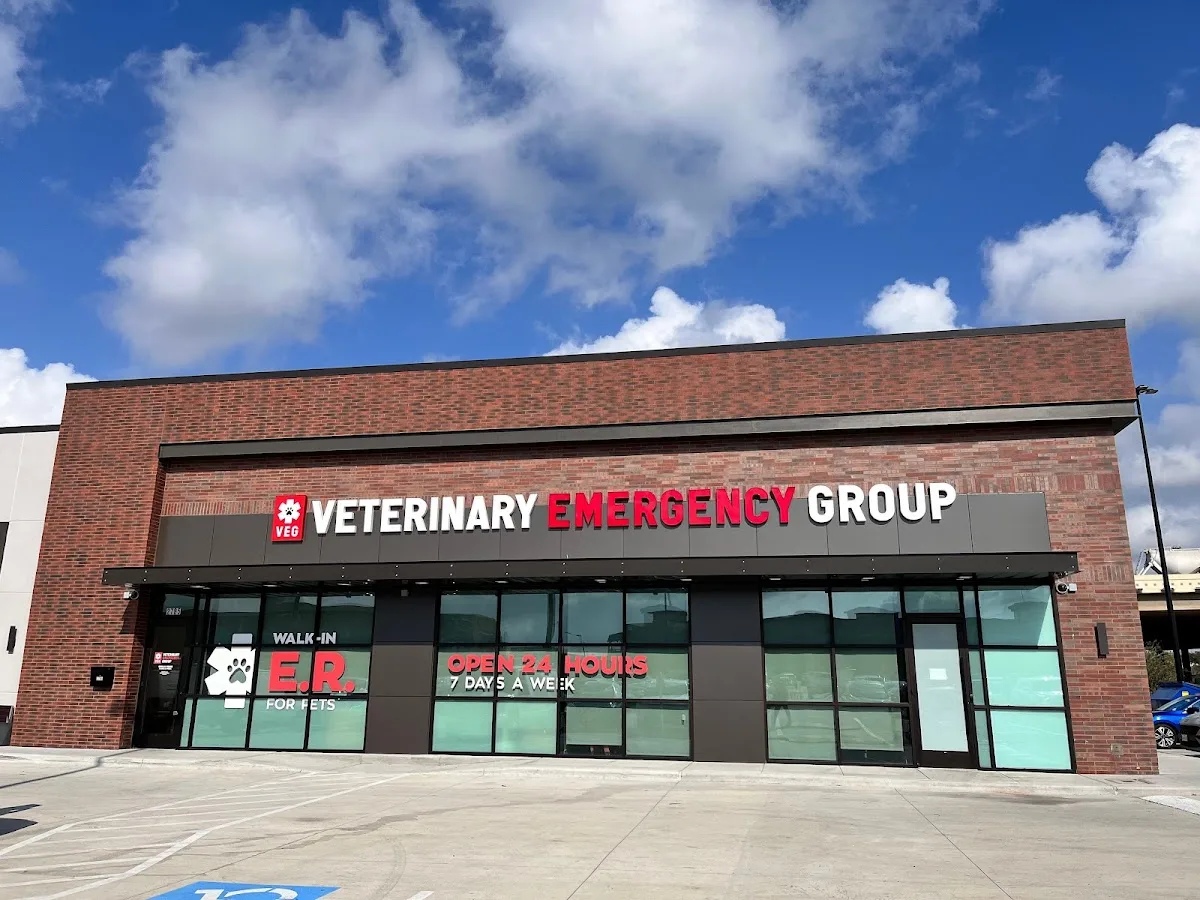
An emergency vet may see another pet first because triage prioritizes the animal whose current condition appears to need attention sooner, rather than following a simple arrival-time queue. Understanding that distinction can make the wait less confusing and help you share information the team can use.
Triage sorts patients by urgency
Triage is an initial assessment used to decide which patients need attention most urgently. In an emergency veterinary setting, staff consider the animal’s condition and how immediate its needs seem at that point. The purpose is to direct limited clinical attention toward the most time-sensitive situation, not to reward the earliest arrival or rank how much an owner cares.
Imagine two arrivals: one pet is having difficulty breathing, while another has a stable limp. The first may be assessed sooner because breathing difficulty can signal a more immediate need than a stable injury. Urgency can also depend on how quickly a problem developed, not only its name. A sudden change and a longstanding, unchanged symptom may call for different assessment timing, even when owners use the same word to describe them. The same symptom can therefore lead to different priorities in different patients. A pet that appears quiet or calm may still need prompt evaluation, and outward appearance alone is not a reliable way for another owner to judge the clinical priority assigned by the veterinary team.
Triage is also not the same as a complete examination or a final care plan. It is an early sorting decision that helps a team decide where attention is needed first. Different patients can require different kinds of assessment, and the sequence visible in the waiting area may reflect work taking place elsewhere in the clinic.
The order can change as needs change
Arrival time records when a pet reached the clinic; urgency reflects the care that appears necessary now. Those are different measures. Triage gives the team a view of the situation at the time of assessment, and the sequence may shift if an animal’s condition changes or another patient arrives with a more immediate need.
Even if no one has moved ahead of you, the team’s clinical work can affect how quickly it can return to waiting patients.
Make the wait useful and report changes
A concise timeline helps staff understand what brought your pet in. Be ready to describe when the problem began, what you observed, and whether it has changed. Mention relevant exposure or recent care if it applies. Specific observations are more useful than a guess about what the condition might be: for instance, describe what you saw and when, rather than trying to name a diagnosis. Say your dog vomited after getting into a bin: report when it happened, what may have been eaten, and whether you found packaging. A clear photo or the container can help identify the substance; if you do not know the amount or exact time, say so rather than guessing.
When you check in, ask how the team wants you to report a change and whether you should remain in a particular waiting area. If you need to step outside or move your car, tell a staff member first and ask how they can reach you; make sure they have a working number if they request one. If you notice a new or worsening sign, report what changed and when it began using the method they gave you, rather than waiting for a routine update. This gives you a practical role while leaving clinical priority decisions to the veterinary team.
Aurora pet owners can find Seven Hills Veterinary Center: Mullen Jeffrey L DVM at 18325 E Girard Ave.