
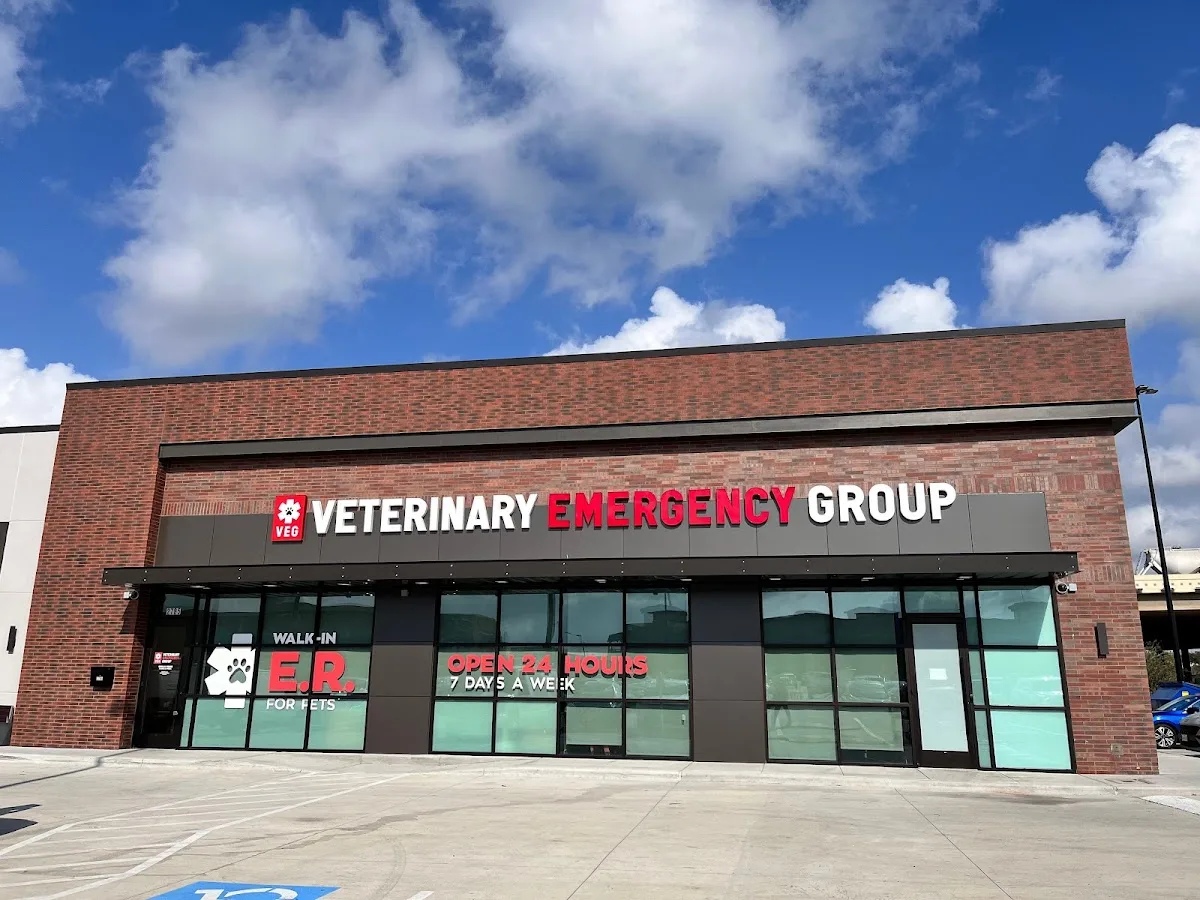
For an exotic pet emergency in Houston, look for a veterinary hospital that explicitly names the kind of animal you have, then call to describe what is happening. VEG ER for Pets says its Houston hospital provides emergency care for birds, reptiles, and exotic pets. Its location page describes the hospital as open 24 hours and accepting walk-ins without appointments.
Look for coverage that names your pet’s species
“Exotic pet” is a broad label, not a single species. It can refer to animals with very different body sizes, handling needs, and veterinary histories. When you are deciding where to go, check for language that names your animal’s group rather than relying only on a clinic’s general emergency-care label. A page that specifically mentions birds or reptiles gives you a more useful starting point if you own a parrot, small bird, snake, or lizard.
VEG’s Houston location page names cats, dogs, birds, reptiles, and exotic pets among the animals for which it provides emergency care. That makes the Houston hospital a local option for owners of those species to consider. If your pet is less commonly kept or does not fit neatly into one of those categories, say exactly what species it is when you call; a broad term may not give the veterinary team enough context to discuss your situation.
Call with the species and immediate problem
VEG says a veterinarian answers calls around the clock and can help determine whether a pet should come in. Use that conversation to get case-specific direction before traveling.
Keep the opening description concrete. Identify the species, and then explain in plain language what changed and when you noticed it. If you know the animal’s age, relevant medical history, or any recent event connected to the concern, share those details as well. You do not need to settle on a diagnosis; the purpose is to let a veterinarian hear what is happening and respond to your actual circumstances.
Ask which services fit this animal’s case
A hospital’s equipment and services are useful context, but the relevant question is how they apply to the species and concern in front of the veterinarian. VEG’s Houston page lists on-site diagnostic testing, surgery, point-of-care ultrasound, and X-rays. Rather than assuming every option is appropriate for every exotic animal, ask which evaluation or resources the veterinary team considers relevant after hearing the case.
That question can also help you understand the next decision. For example, ask what the proposed test is intended to clarify, what the team expects to learn from it, and how its result could affect the care plan. Those are discussion prompts, not substitutes for the veterinarian’s assessment.
If you have records readily available, useful information may include the animal’s species and age, prior veterinary notes, and a current medication list. Bring what you can access without delaying the trip. VEG says it shares records and collaborates with family veterinarians, so prior notes can help connect emergency care with the animal’s routine history.
Plan the arrival at the Houston hospital
VEG’s Houston location is at 2785 Katy Freeway, Houston, TX 77007, near Studemont Street and the Katy Freeway service road. The location page directs drivers to enter the parking lot from the Katy Freeway service road and describes spaces outside the front door, with additional parking alongside the building. Knowing the correct entrance in advance can make arrival more straightforward when you are focused on keeping an animal secure.
The clinic says staff can meet an owner at the door or car if help is needed bringing a pet inside. Tell the team on your call if you expect to need that assistance. When transporting a bird, reptile, or other small animal, use a secure carrier appropriate to the animal and follow any transport instructions the veterinary team gives you; avoid opening the carrier in an unsecured area.

