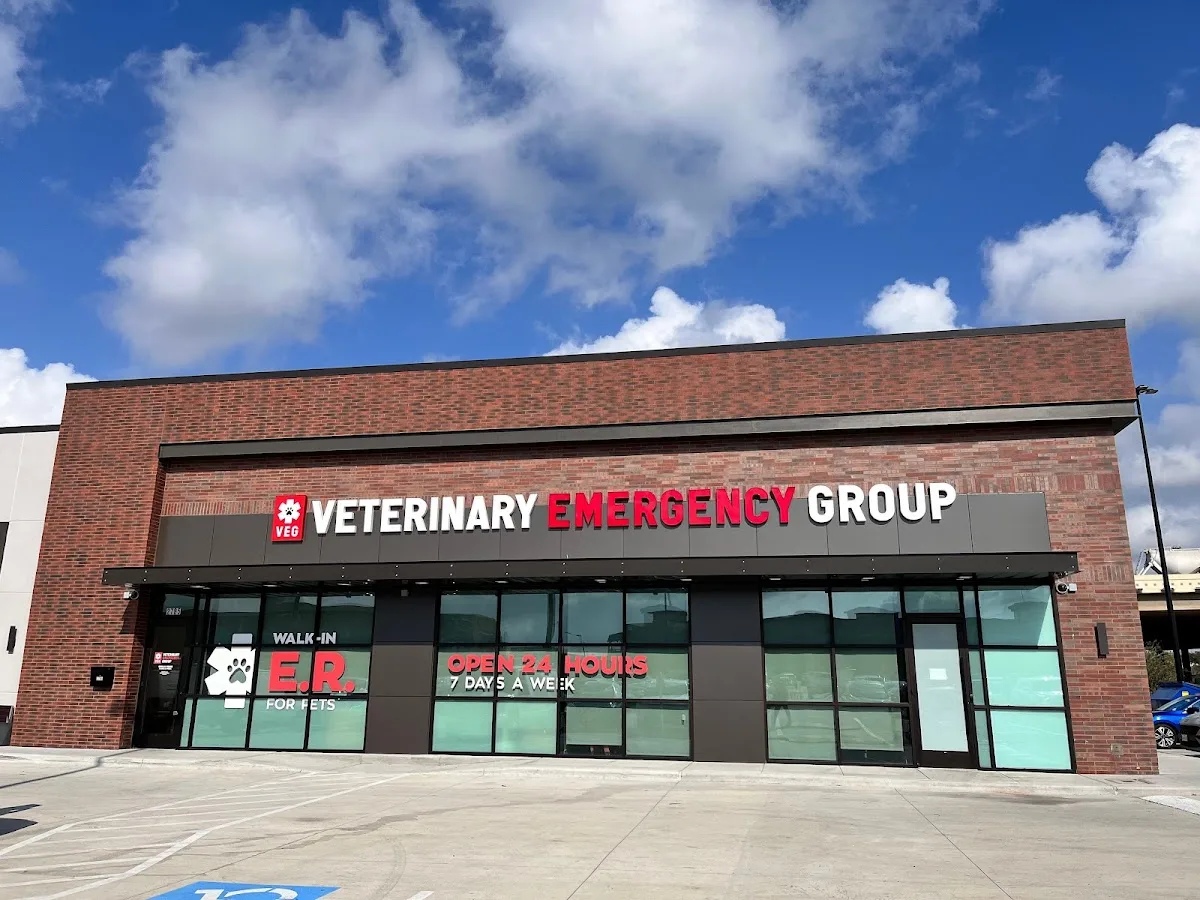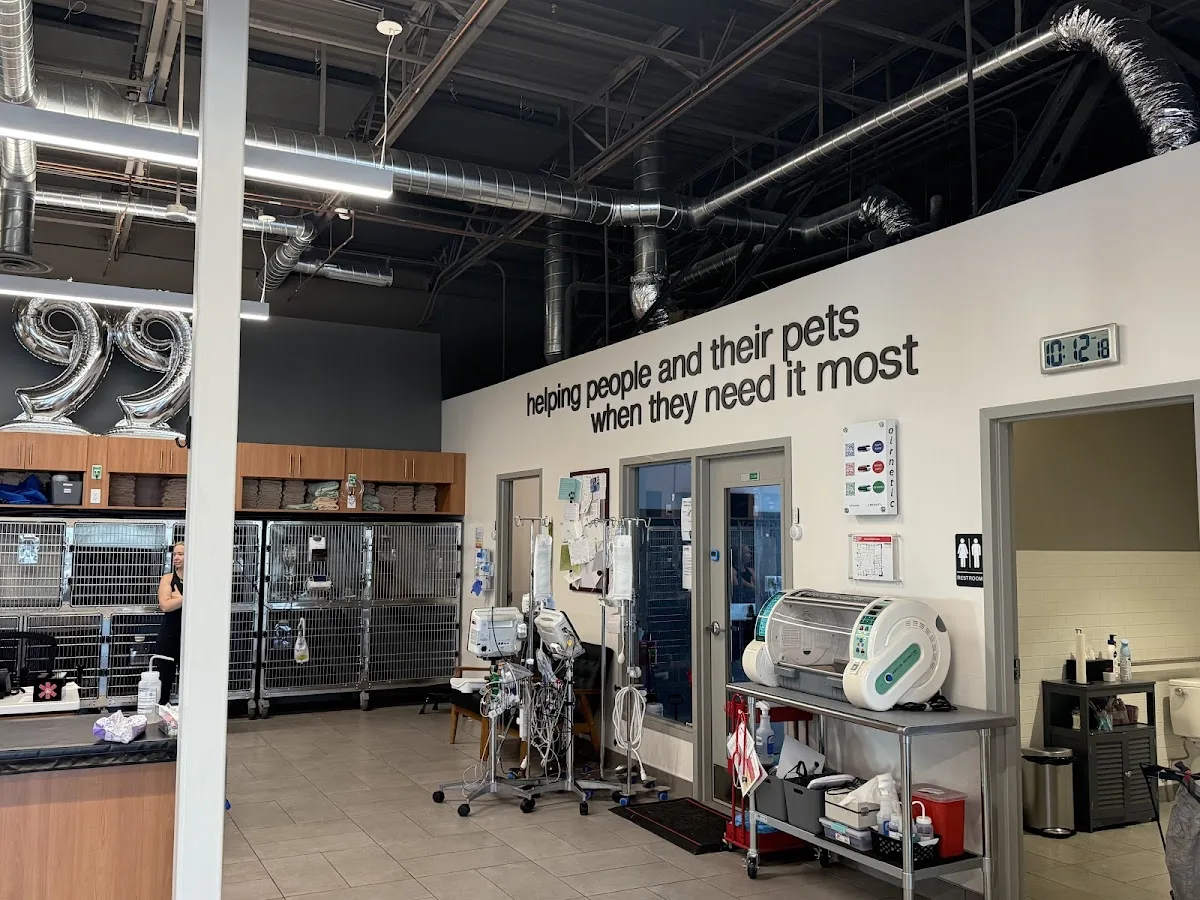
A walk-in emergency veterinary visit is designed for urgent needs, not a scheduled appointment. At Veterinary Emergency Group in Sandy, the hospital says it is open 24 hours a day, seven days a week, including holidays, and accepts walk-ins without appointments. Knowing how the arrival and conversation are structured can make it easier to focus on your pet and understand what happens next.
Decide whether to call or walk in
You do not need an appointment to enter the Sandy hospital. Its location page says owners may call or walk in for emergency veterinary service, and recommends calling ahead so the team is familiar with the situation. The hospital also says a veterinarian is available by phone at any hour to answer questions and help determine whether to come in. A call can therefore serve as a quick handoff: describe what changed, when you noticed it, and what you are seeing now, then listen for the next step the veterinarian suggests.
That is different from booking a routine visit for a later date. The hospital describes its model as walk-in emergency and urgent care, with no appointments taken. Its urgent-care examples include vomiting, diarrhea, limping, wounds, ear infections, eye problems, and constipation. These examples show the range of concerns it says it evaluates; they are not a way to diagnose an animal at home. If you are unsure how to classify a problem, the location page directs owners to call rather than trying to decide from a list.
Plan the arrival and ask for entrance help if needed
The Sandy location is at 11084 S State Street. The hospital says parking is directly outside the entrance and accessible spaces are by the front door. If your pet is difficult to carry or you need help getting inside, call ahead and ask staff to meet you at the entrance. This small logistical detail can matter when an animal is large, injured, frightened, or hard to move, and it lets the team know help may be needed before you reach the door.
On the way, keep your description of the concern factual and easy to relay: the main change, when it began, and any relevant event you observed. If you have records or medication information immediately available, bringing them can help you answer questions, but do not delay seeking urgent veterinary guidance to assemble a complete file. The key distinction is between useful context and a perfect history; the veterinary team can begin a conversation with what you know at that moment.
Expect to remain with your pet
VEG says owners can stay with their pets throughout the visit and participate as much as they choose. Its Sandy page also says a veterinarian sees the pet before paperwork is completed, and that owners may remain with the animal even if surgery is involved. That setup differs from an emergency visit where an owner expects to leave a pet with staff and wait elsewhere. You can be present, observe what is happening, and ask for an explanation as the team discusses the case.
Being there does not mean you must know the right clinical questions in advance. Start with the immediate concern and ask the veterinarian to explain unfamiliar terms in plain language. If the plan has more than one part, it can help to distinguish what needs attention now from what may happen later. The goal is to understand the decision being discussed, not to arrive with a predetermined diagnosis or treatment plan.
Use the discussion to understand the next steps
The hospital says its team discusses diagnosis and treatment options with owners. In practice, that conversation is where you can ask what the veterinarian has found so far, what options are being considered, and what each proposed next step is intended to address. If a test, procedure, or continued observation is raised, ask how its result would affect the plan. Those questions keep the discussion connected to your pet’s situation instead of turning it into a general list of procedures.
The Sandy location says it sees dogs, cats, birds, reptiles, and other exotic pets, and its page describes emergency and urgent concerns ranging from wounds to digestive symptoms and eye problems. For owners of birds or reptiles, identifying the animal’s species when calling is a useful starting point for discussing the visit. A familiar household-pet assumption may not fit every animal, so name the species and describe the specific change rather than relying on a broad label such as “not acting right.”
A walk-in emergency visit is a sequence of decisions: connect with the veterinary team, get the animal inside, understand what the veterinarian observes, and discuss the available next steps. At the Sandy hospital, the stated 24-hour walk-in model and the option to stay with your pet shape that process. A clear account of what you have noticed gives the conversation a practical starting point while the veterinary team evaluates the animal.