Where It Is and When It’s Open
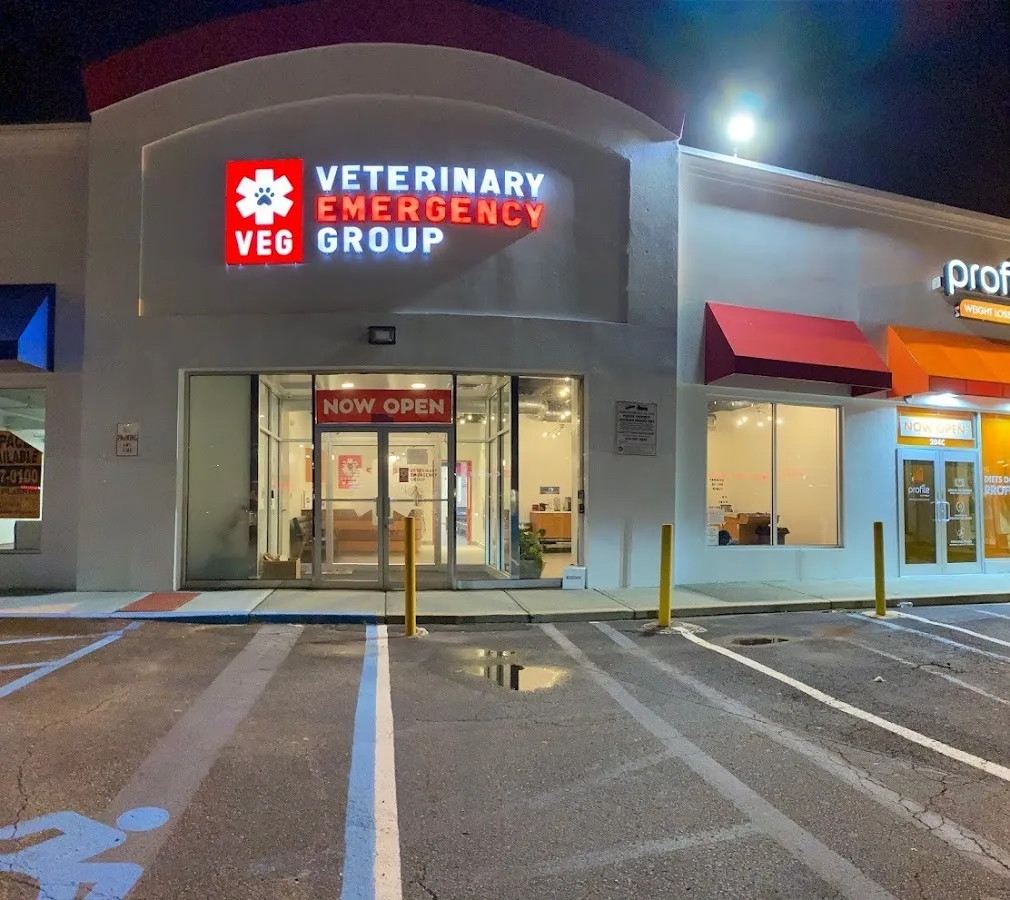
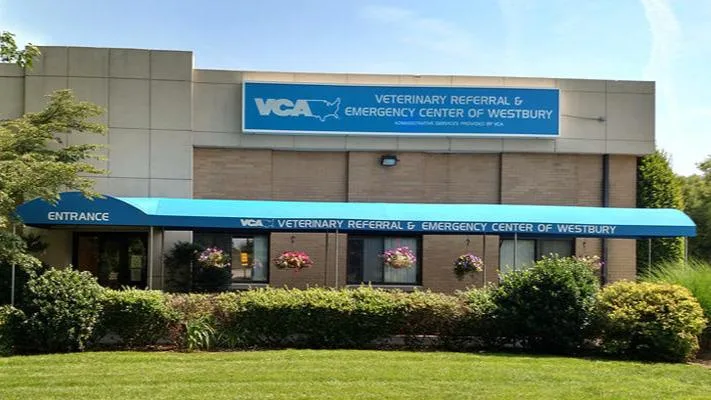
Veterinary Referral & Emergency Center of Westbury is located at 609-5 Cantiague Rock Rd, Westbury, NY 11590. The facility operates on an open 24 hours schedule, which is designed for urgent situations when regular appointments aren’t possible. If a pet’s condition seems to be worsening quickly, treating the visit as an emergency shorten time to assessment.
For most pets, the first interaction is a triage process that helps prioritize cases based on urgency. Calling ahead when possible can be helpful, but many emergencies require immediate arrival.
What to Bring (So Triage Moves Faster)
When visiting an emergency and referral center, the goal is to give the veterinary team clear information. Having details ready can reduce delays and improve communication, especially if the pet is in pain or needs immediate stabilization.
- Basic pet information: age, sex, weight estimate, and any known health conditions.
- Current medications: include the medication name and dosage if known (or take a photo of the label).
- Medical history: recent diagnoses, surgeries, allergies, and previous emergency visits.
- Vaccination and parasite prevention status: especially if the pet is young or immunocompromised.
- Timeline of the problem: when symptoms started, whether they’ve changed, and any actions already taken (food restriction, medication given, etc.).
- Any records: discharge paperwork from a prior hospital or notes from the referring clinic.
If the emergency involves toxins, bring packaging or a photo of the product. For injuries, photos of the scene can sometimes be useful, but the priority is always safety and medical care.
Common Reasons Owners Seek Emergency Referral Care
Emergency centers often evaluate pets for conditions that can progress quickly or require advanced diagnostics. While every case is different, the following categories commonly lead to urgent evaluation:
- Breathing trouble: increased effort, persistent coughing, open-mouth breathing, or suspected choking.
- Serious injury or trauma: bleeding, fractures, bites, or falls.
- Suspected poisoning: ingestion of plants, chemicals, human medications, or unknown substances.
- Severe vomiting or diarrhea: especially with dehydration, blood, or inability to keep fluids down.
- Neurologic signs: seizures, sudden collapse, disorientation, or weakness.
- Inability to urinate: a potentially critical condition in male cats and some dogs.
Because emergency cases can escalate, the triage team may recommend stabilization before a full diagnostic workup is complete.

What Happens After You Arrive
Emergency visits are typically structured to move quickly and reduce risk. Although each case differs, most visits follow a pattern:
- Check-in and triage: the team assesses breathing, circulation, pain level, and overall stability.
- Immediate stabilization if needed: the priority may be oxygen support, IV fluids, pain control, or other urgent interventions.
- Diagnostics and referral coordination: imaging and lab testing may be used to determine next steps.
- Treatment plan discussion: the team explains what they recommend and why, and answers questions as results come in.
Expect that urgent pets may be seen before those with less time-sensitive concerns. That isn’t a reflection of care quality; it’s a safety-driven process.
Facilities and Capabilities You May Rely On
At Veterinary Referral & Emergency Center of Westbury, the emergency and hospital setting supports a wide range of urgent needs. Common capabilities associated with emergency care include:
- On-site triage and urgent evaluation
- In-house diagnostics to support rapid decision-making
- IV fluids and oxygen support when needed
- Imaging and ultrasound for further assessment
- Hospitalization for pets that require ongoing monitoring
- Pain management as part of supportive care
- Surgical options when appropriate
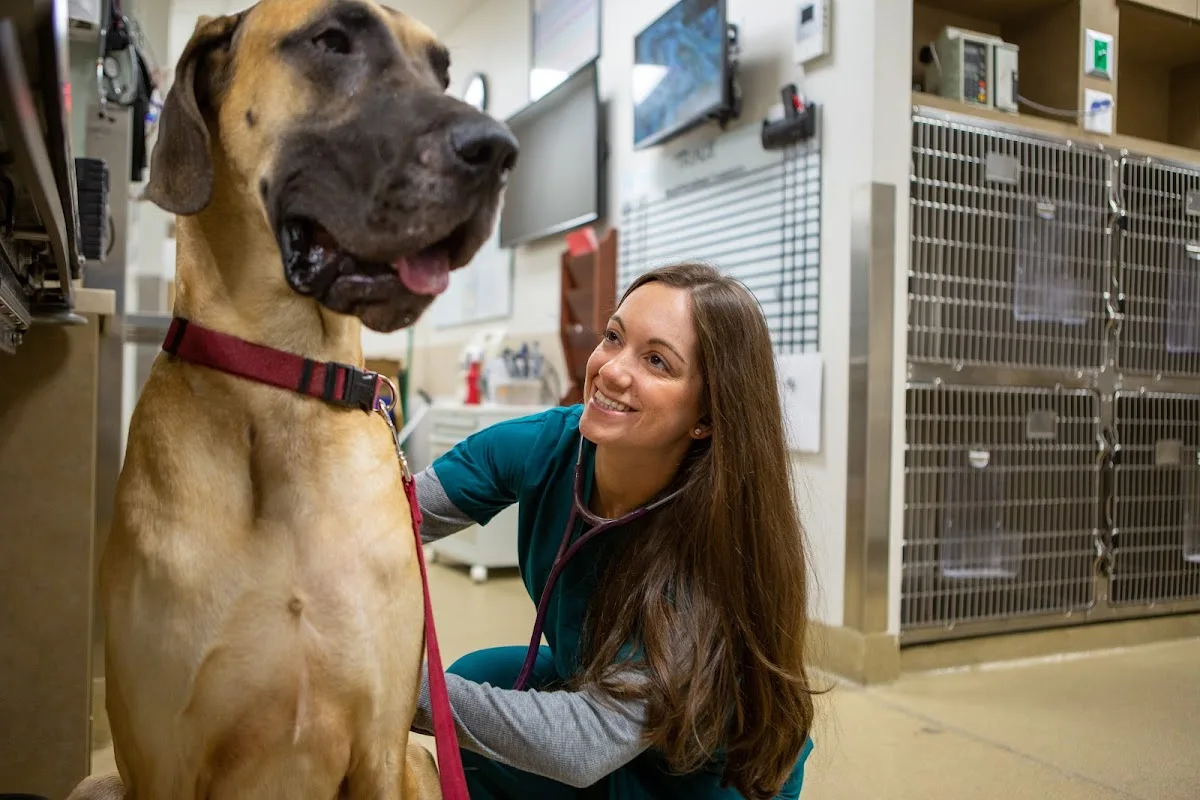
If a case requires specialist-level referral support, the center coordinate the next steps to support the pet’s recovery plan.
How to Plan for After-Hours Care
Because the facility is open 24 hours, emergencies can arrive at any time. To reduce stress, it helps to plan small details in advance:
- Keep a pet-safe carrier: especially for cats and anxious dogs.
- Store key documents: medical records and medication lists in a readily accessible folder or notes app.
- Write down important contacts: your primary veterinarian, any specialists, and the emergency clinic phone number.
- Know your pet’s baseline: normal appetite, energy level, breathing style, and bathroom routine.
When emergencies occur, those small steps can support faster communication and help the team focus on urgent medical decisions.
Quick Checklist Before You Go
- Bring the pet’s medications and a photo of labels.
- Write down symptom start time and any changes.
- Have a leash/harness or carrier ready for safe handling.
- If possible, call ahead for guidance—but arrive promptly if the condition seems urgent.
- Ask what to expect next: diagnostic steps, monitoring plan, and discharge instructions.
Contact Information
For questions or guidance during an urgent situation, owners can reach the center by phone at (516) 420-0000. The clinic website is also available for service information and updates.