Overview: What Greenpoint Vet Service Handles
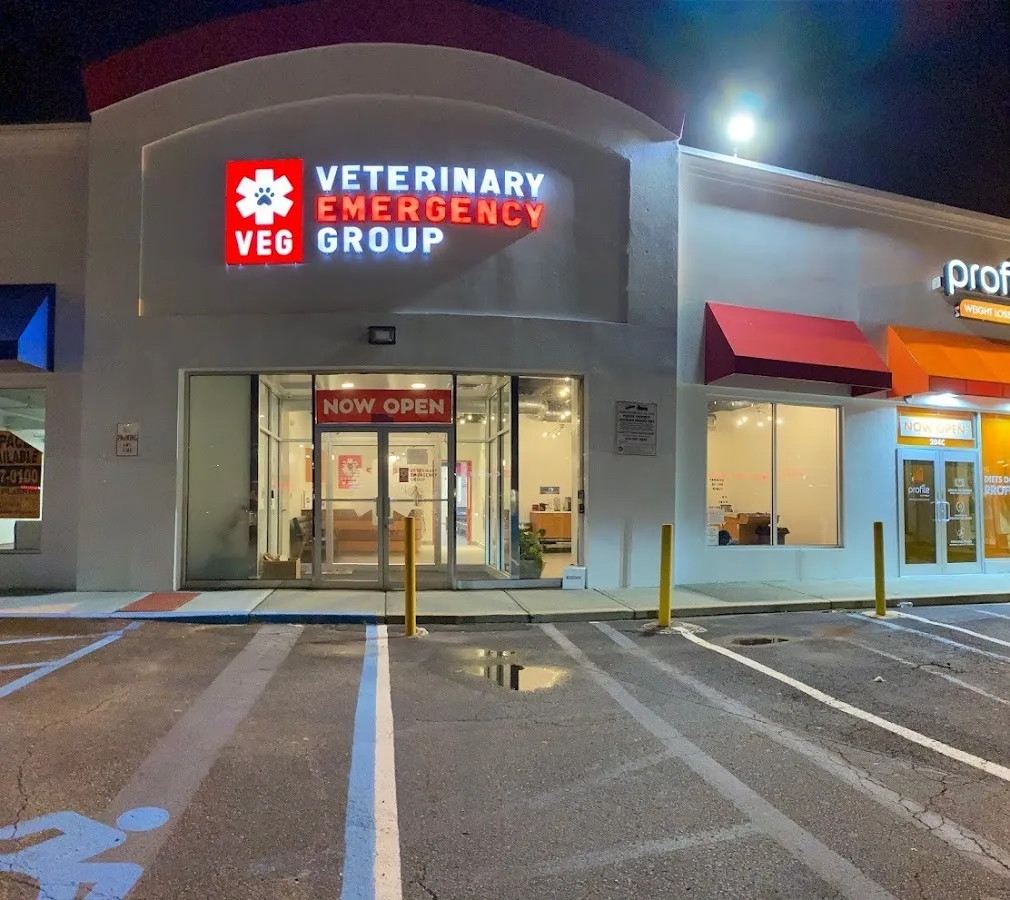
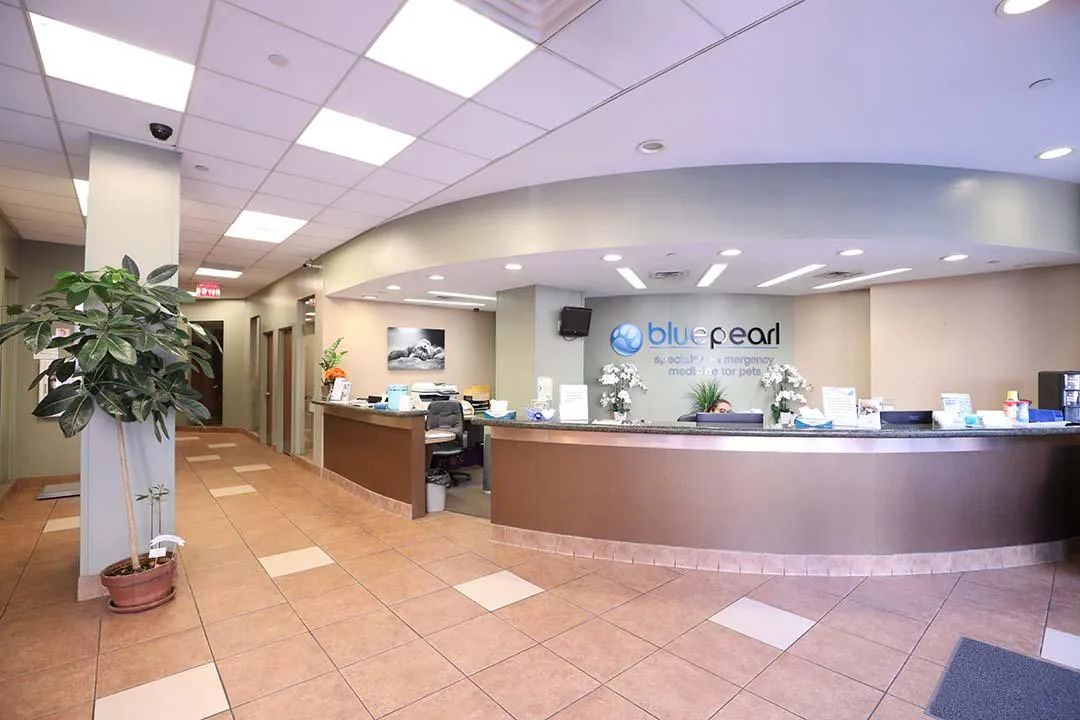
Greenpoint Vet Service provides emergency veterinary care for cats and dogs in Brooklyn, NY. Because emergencies do not follow a schedule, the hospital is open 24 hours, which helps pet owners get timely treatment when symptoms appear suddenly or worsen quickly.
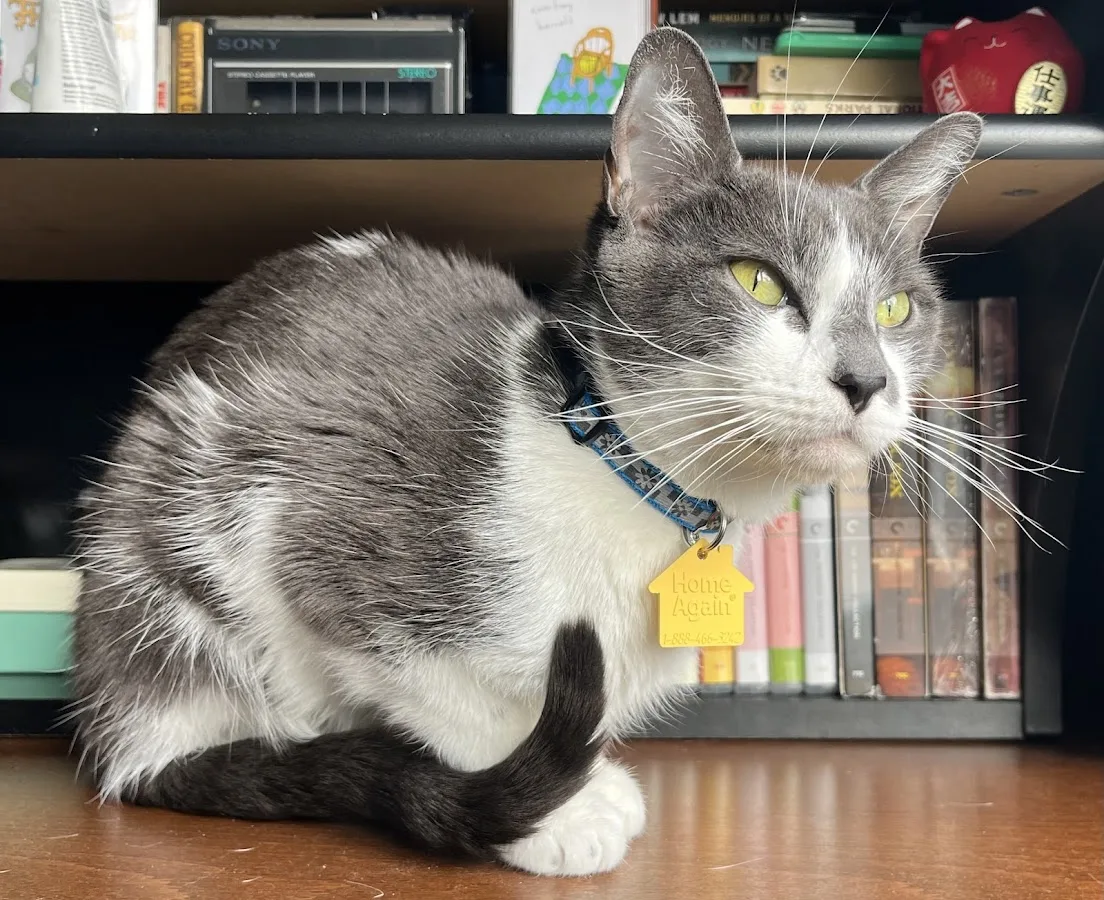
Emergency visits typically prioritize stabilization first—addressing breathing, bleeding, pain, hydration, or possible internal injury—then moving into diagnostics and treatment planning. If a pet is struggling, it is usually more effective to arrive as soon as the situation becomes concerning rather than waiting for symptoms to change.
Before You Arrive: How to Prepare for an Emergency Visit
Preparing ahead can reduce delays and help the care team understand what happened. Pet owners can bring any information that supports the timeline, including when symptoms started, what the pet ate or ingested, medications currently given, and any known allergies or prior medical conditions.
- Bring vaccination and medical records if available.
- Write down the timeline: onset time, changes in severity, vomiting or diarrhea episodes, seizures, limping, or appetite changes.
- Bring a list of medications (including doses and frequency).
- If ingestion is suspected, note what the pet may have accessed (plants, human food, medications, chemicals, small objects).
If the pet is painful, frightened, or disoriented, safety comes first. Use a carrier for cats and consider a secure leash or harness for dogs. Keep calm, speak gently, and avoid giving new medications unless a veterinarian has provided instructions.
Check-In and Triage: What Happens First
Emergency hospitals commonly use a triage process to determine urgency. At arrival, the team will typically assess breathing and circulation, check for signs of shock or severe dehydration, evaluate pain level, and review the owner’s description of symptoms. This helps prioritize treatment for the most critical cases.
Walk-in availability is often part of emergency services, but calling ahead can still be helpful, especially if the pet is in severe distress. The phone number for Greenpoint Vet Service is listed on the hospital’s website and business listing, and reaching the team confirm what to bring and whether immediate steps should be taken on the way in.
Diagnostics and In-House Testing
After stabilization, diagnostics may follow based on the presenting complaint. In many emergency settings, imaging and ultrasound are used to evaluate internal problems, while in-house testing can support faster decision-making. Common emergency concerns include trauma, suspected toxins, ingestion of foreign material, severe vomiting or diarrhea, urinary blockage, respiratory distress, or sudden neurologic signs.
Ultrasound and imaging identify issues such as organ abnormalities, fluid patterns, or signs of injury. Bloodwork and other in-house tests may assist in evaluating infection, organ function, clotting concerns, and dehydration status. The goal is to move from “what might be happening” to “what is most likely happening,” so treatment matches the situation.
Common Emergency Treatments to Expect
Emergency veterinary hospitals often provide several core services for urgent cases. Treatment can include pain management to reduce suffering, IV fluids and oxygen for stabilization, and hospitalization when monitoring is needed. Depending on the pet’s condition, additional therapies may be recommended.
For cases where surgery is required, emergency surgical capabilities can be a key part of the hospital’s response. When hospitalization is advised, pets may receive ongoing observation, repeat assessments, and adjustments to medication as the situation evolves.

How to Stay Informed During the Visit
Emergency care is time-sensitive, and owners often benefit from clear communication. Ask what the immediate priorities are and what information the team needs from you. If the pet is being stabilized or treated in stages, requesting an update schedule can reduce uncertainty while care is underway.
When diagnostics return, the care team can typically explain the likely diagnosis, treatment options, expected outcomes, and any risks. If hospitalization is recommended, ask what to watch for and how long monitoring may take.
Aftercare: What to Do When Your Pet Goes Home
After an emergency visit, aftercare instructions are crucial for recovery. Follow medication directions carefully and keep follow-up plans in writing. If symptoms return—such as persistent vomiting, repeated lethargy, labored breathing, weakness, or new bleeding—contact a veterinarian promptly.
For ongoing conditions, emergency visits can be the first step in a longer treatment plan. Owners may be instructed to watch appetite, hydration, urination, and stool changes, then return for reevaluation if needed.
Having a clear recovery plan can make a meaningful difference, especially when a pet’s condition was critical at intake.

Quick Checklist for a Smooth Emergency Visit
- Know the estimated onset time of symptoms.
- Bring medical records and a list of medications.
- Bring a carrier or secure leash setup.
- Share possible exposures (food, plants, chemicals, objects).
- Ask for a clear update on triage and next steps.
About Greenpoint Vet Service
Greenpoint Vet Service is an emergency veterinary hospital in Brooklyn, NY, open 24 hours for urgent pet care. For pet owners, knowing what to expect—before arrival, during triage, and after discharge—can make emergency treatment less stressful and help support better outcomes.