Veterinary Emergency Group: A Practical Visit Guide
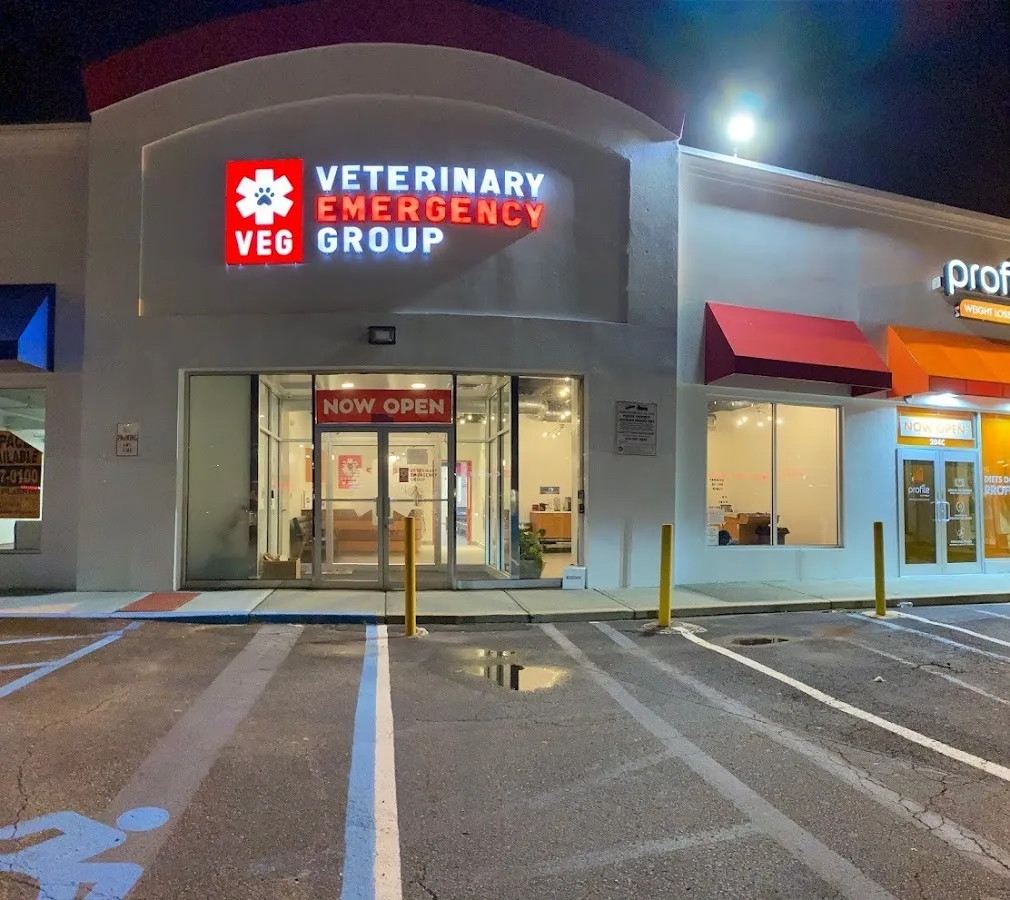
When a pet’s condition can change quickly, emergency veterinary care needs to start with clear communication and good preparation. Veterinary Emergency Group (VEG) is an emergency hospital in the Carle Place area of New York, serving pets who need immediate assessment, triage, and on-site treatment. This visitor guide outlines what to bring, what to expect on arrival, and practical ways to help the team care for a frightened, stressed, or critically ill animal.
1) Before you go: gather the essentials
Emergency visits often happen without warning, so planning your “grab-and-go” checklist can make the drive less stressful for everyone. If possible, prepare the following items and keep them together:
- Basic identification: your pet’s name, approximate age, and any microchip or registration details.
- Medical history: past diagnoses, current medications, allergies, and prior surgeries.
- Recent timeline: when symptoms started, whether they are getting worse, and any changes in appetite, breathing, energy, urination, or stool.
- Photos or video: short clips showing breathing effort, vomiting, limping, or any abnormal behavior the team evaluate more efficiently.
- Relevant contact info: your primary veterinarian’s name and phone number.
If the pet is on prescription drugs or supplements, bring the pill bottles or write down the medication names and dosages. For insulin-dependent diabetes, note the last dose and the most recent blood glucose readings if you have them.
2) Arriving and triage: what to expect
Upon arrival, emergency hospitals typically prioritize patients based on urgency. That means a pet with breathing difficulty, severe bleeding, seizure activity, collapse, or significant weakness may be seen before someone with less critical symptoms. The team will ask targeted questions to understand what is happening and to identify immediate risks.
To support effective triage, be ready to answer:
- What you noticed first and how the situation has changed since then
- Any vomiting, diarrhea, coughing, bleeding, or known ingestion (toxic plants, human medications, etc.)
- How your pet is acting compared with normal—hiding, agitation, lethargy, or pain responses
3) Communication that helps: describe symptoms clearly
Even if you’re worried, clear descriptions the clinical team make faster decisions. Instead of only saying “they seem sick,” try to note specifics such as:
- Breathing: open-mouth breathing, noisy breathing, persistent cough, or blue/pale gums
- Pain: trembling, hiding, inability to get comfortable, or guarding a body part
- Neurologic signs: seizures, disorientation, head tilt, or sudden weakness
- GI signs: repeated vomiting, diarrhea, straining to urinate, or loss of appetite
If you suspect ingestion, try to identify what was involved (brand name if possible), when it might have happened, and roughly how much you think was consumed. For foreign body concerns (like string, rocks, or bones), describe the circumstances and timing.
4) Testing and treatment: how emergencies are handled
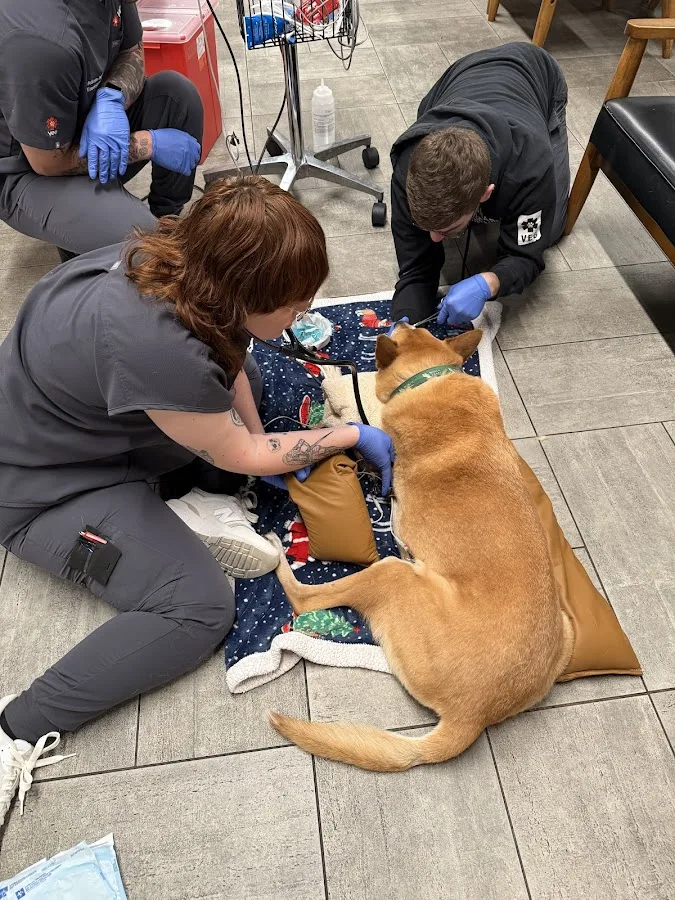
Emergency medicine often requires on-site evaluation and diagnostics to stabilize pets and address immediate threats. Depending on the situation, the team may recommend procedures and monitoring improve outcomes and prevent further deterioration.
Common emergency approaches can include:
- Immediate stabilization (for example, oxygen support or pain control when appropriate)
- Diagnostics to guide treatment decisions
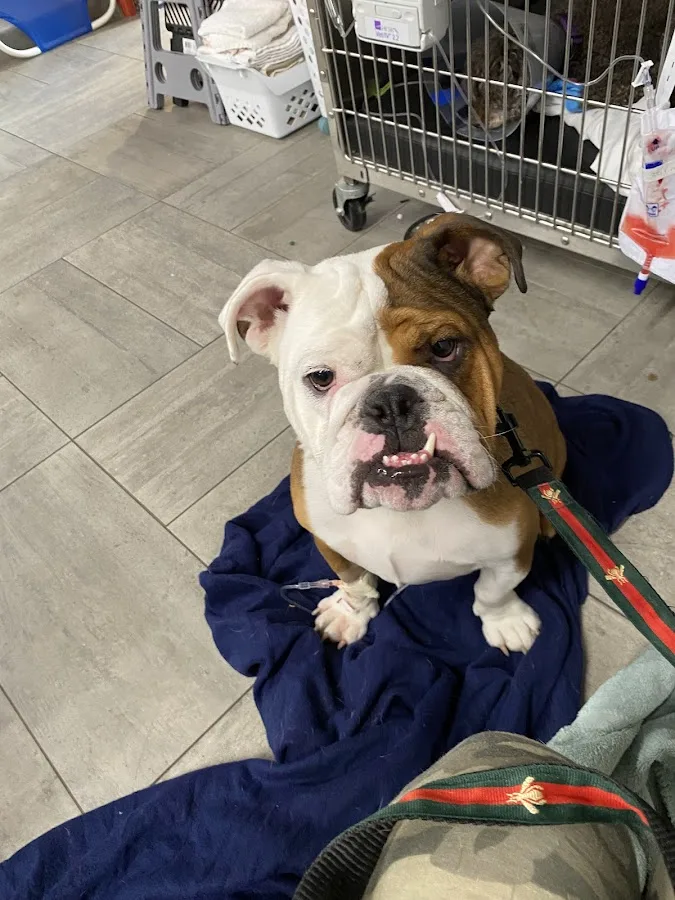
- IV fluids and hospitalization when hydration, circulation, or ongoing monitoring is needed
- Imaging to investigate potential internal injury or other urgent causes
The exact plan depends on the pet’s condition, triage findings, and what is suspected clinically. Asking “What are the immediate priorities right now?” you understand the rationale behind the treatment sequence.
5) Questions to ask before the visit ends
After an emergency evaluation, it’s helpful to clarify the next steps. Consider writing questions down as they occur, such as:
- What is the most likely cause of the problem based on today’s findings?
- What signs should improve, and when should they improve?
- What are the warning signs that mean the pet needs to return immediately?
- How should medications be given (timing, dosage, and what to do if a dose is missed)?
- Are follow-up visits required, and how soon?
If your pet is discharged, request clear written instructions. Keep medication schedules visible at home, and watch closely for changes in appetite, hydration, breathing comfort, energy level, and mobility.
6) Helpful preparation tips for anxious or stressed pets
Many emergency patients are frightened, in pain, or disoriented. Reducing stress the team work more safely and may improve how your pet responds to care. If you can do so safely:
- Bring a carrier or leash sized for comfort and secure handling.
- Use a towel or familiar blanket to reduce sensory stress during transport.
- Keep other animals restrained in the car to avoid added chaos.
If you’re unsure how to transport safely—especially for vomiting, bleeding, or mobility-limited pets—prioritize safety over speed. One safe trip with clear information beats a rushed arrival without key details.
Ready for an emergency visit? Use the contact details
If you suspect your pet needs urgent care, it to contact the hospital before you arrive so the team can prepare for intake. Veterinary Emergency Group serves emergency needs in the Carle Place area and round-the-clock responsiveness.