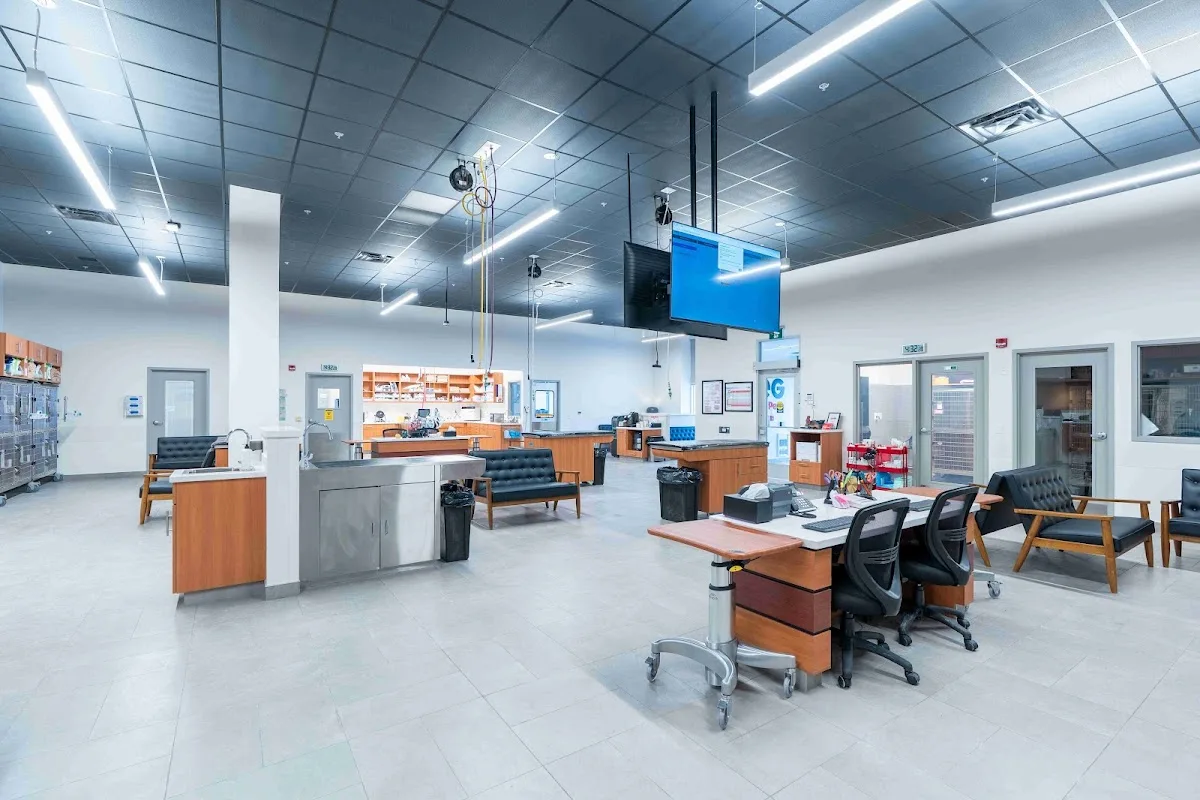
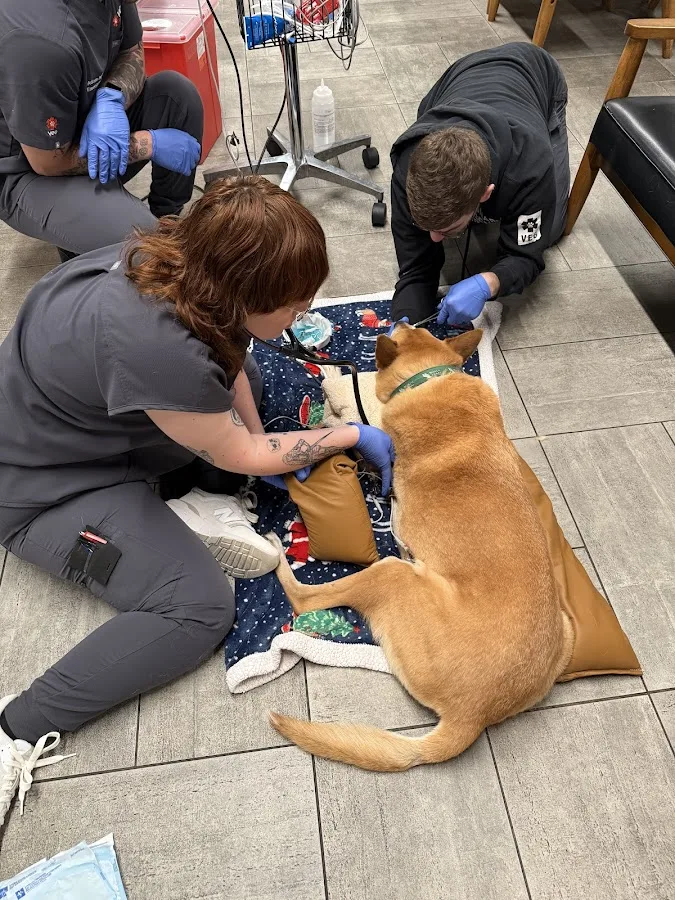
When a pet needs urgent veterinary attention, a clinic’s published access information can help narrow the next step, but it cannot determine whether a particular case can be handled at that moment. VEG ER for Pets’ official Omaha page describes a 24-hour emergency animal hospital with walk-in service and no appointments. That makes the page useful for understanding the facility’s stated model; pet owners should still contact the hospital for guidance about an individual animal and current circumstances.
Omaha’s listing describes round-the-clock walk-in emergency care
The official VEG ER for Pets Omaha page says the hospital is open 24 hours a day and offers walk-in service day or night. Its FAQ says appointments are not taken because the hospital deals with emergencies, and that a veterinarian can answer medical questions by phone. These are the clinic’s published access details, not a guarantee about wait time, capacity, or the handling of every case. If a pet’s situation is changing, call the clinic and describe what is happening rather than relying on a directory label alone.
Confirm the Birch Drive destination before setting out
The official page places the Omaha hospital at 13110 Birch Dr, Suite 180, Omaha, NE 68164. It describes the location as off Route 64/W Maple Road and North 132nd Street, and says to enter the parking lot from Birch Drive off W Maple Road. Those details help distinguish the intended location from other veterinary listings and give drivers a useful navigation cross-check. The page also says parking is in the lot just outside the clinic entrance. For help bringing a pet inside, it asks visitors to call for assistance. Check the clinic’s current directions before travel if a navigation result shows a different entrance or suite.
Species and service categories shape the fit question
VEG’s Omaha page says the hospital sees dogs, cats, birds, small mammals, and exotic animals; it also names hamsters and snakes among examples. The published service list includes diagnostic testing, endoscopies, overnight hospitalization, surgery, and X-rays. Rather than assuming that a listed category answers every question, a pet owner can tell the veterinary team the animal’s species and the reason for seeking emergency care, then ask whether the Omaha team can assess that situation. The page mentions both emergency and urgent veterinary care, but an online service list is not an assessment of an individual pet.
The website describes emergencies broadly, from vomiting to serious accidents, and says owners can call to speak with a veterinarian. It also specifically warns readers not to self-diagnose. That is a useful boundary: a blog or listing cannot classify symptoms or determine what treatment is needed. When unsure whether a problem requires an emergency visit, use the clinic’s stated phone guidance and share clear observations, including when the concern began and any known exposure or injury. Follow the clinician’s direction for that individual case.
Ask about the visit without assuming cost or timing
The Omaha page’s no-appointment, walk-in description answers one access question, but it does not publish a case-specific wait estimate or the cost of a visit. No price should be inferred from the emergency-care label or from the service list. During a call, owners can ask what information would help the team advise them, whether the named service category is relevant to their concern, and how to proceed on arrival. For an exotic pet or a less commonly seen species, stating the species clearly at the start of the conversation helps make the question specific without presuming that every procedure applies to every animal.
Similarly, the page describes overnight hospitalization and surgery as services available at the Omaha hospital; it does not promise that either will be appropriate or needed for a particular patient. Ask the veterinary team about the proposed next steps, what they know at that stage, and any financial information relevant to the decision. This keeps service descriptions in their proper role: a guide to topics for discussion, not an outcome forecast or an estimate.
Use the public listing as context, not a clinical verdict
A local listing associated with VEG ER for Pets shows 4.9 from 42 reviewers. That rating is one piece of public context, not evidence about current intake, the likely result of a visit, or clinical suitability for an individual pet. The official Omaha page is the stronger source for the hospital’s own stated hours, address, species, and service categories. Confirm details directly when the decision is time-sensitive, particularly if the animal, concern, or requested service is not clearly covered by the published information.
For Omaha pet owners, the practical takeaway is specific: VEG’s official page presents a 24-hour, walk-in emergency model at 13110 Birch Dr, Suite 180, and lists care for several animal groups alongside diagnostic and hospital services. Call with the pet’s species and concern to get case-specific direction. The page can help identify what the hospital says it offers, while the veterinary team remains the source for guidance about what to do next.