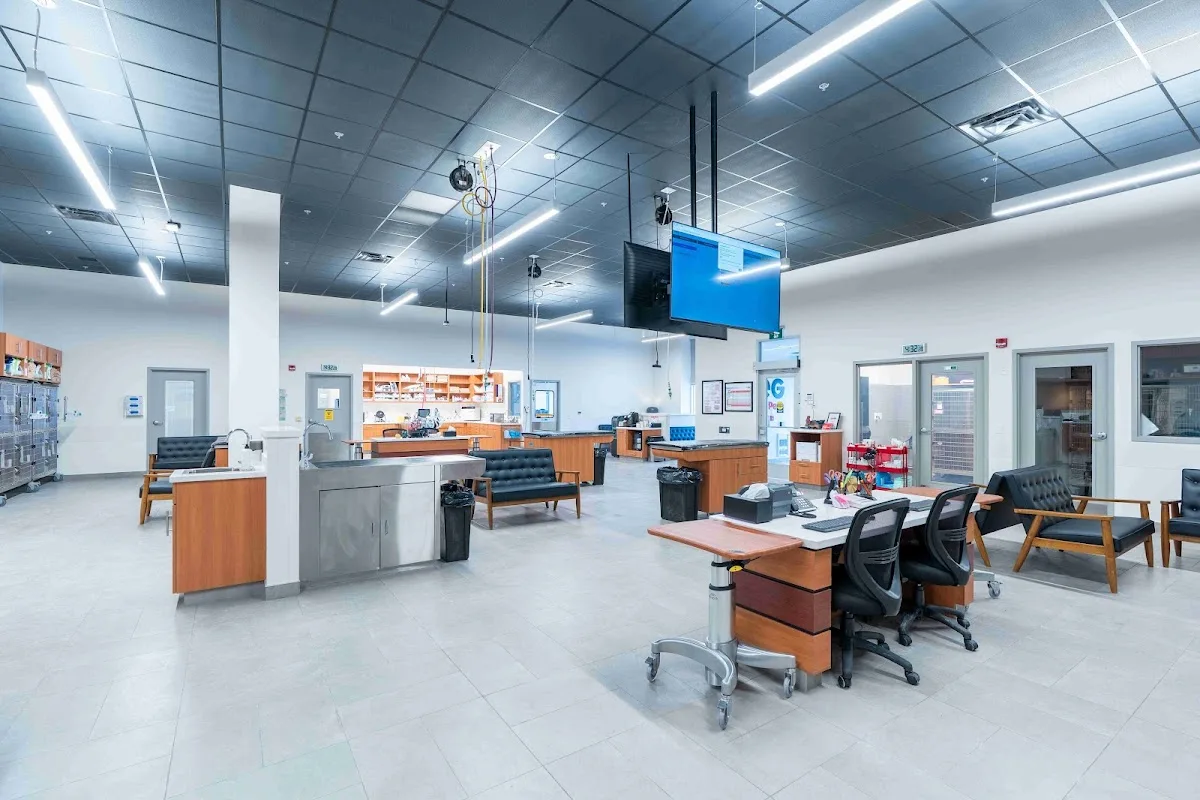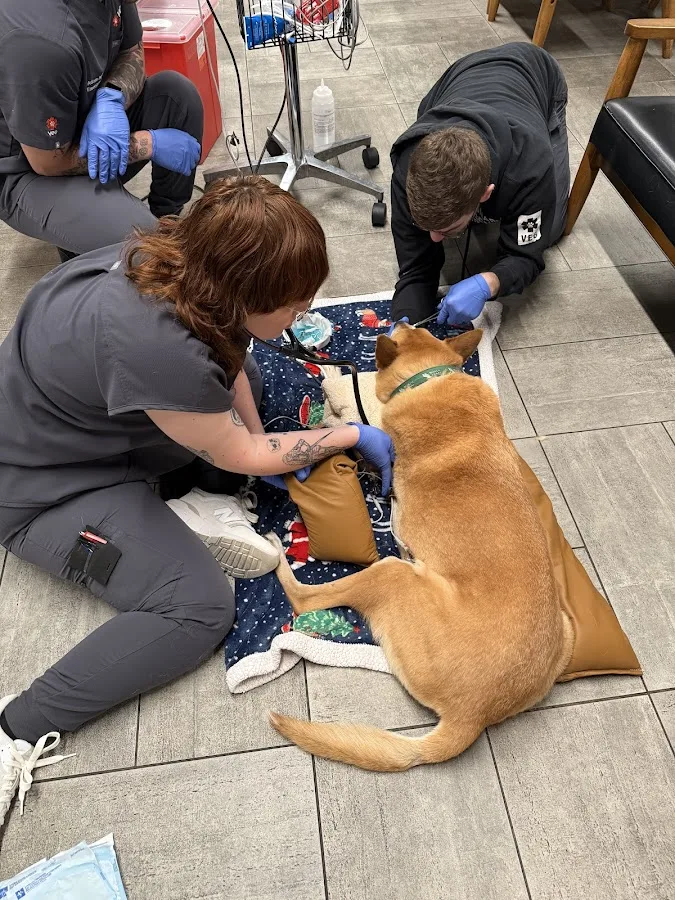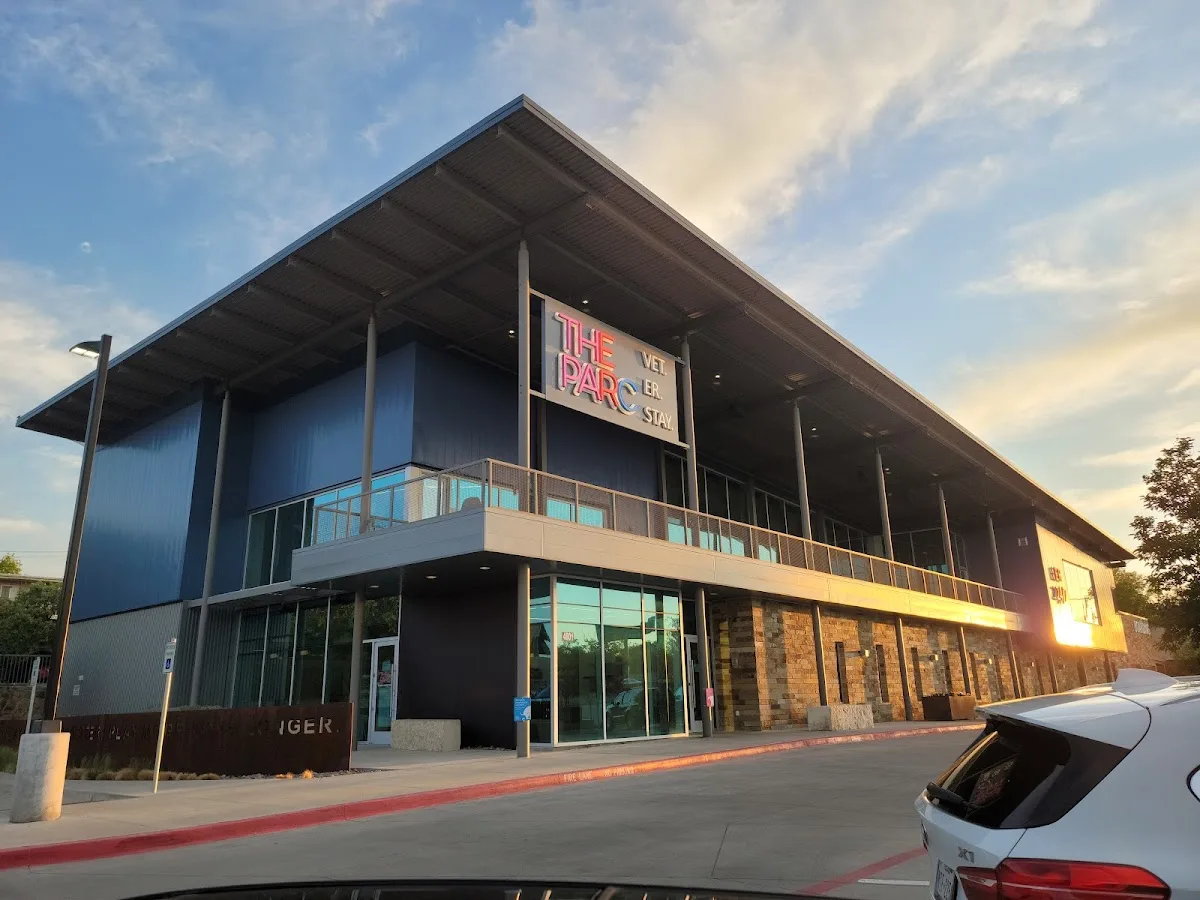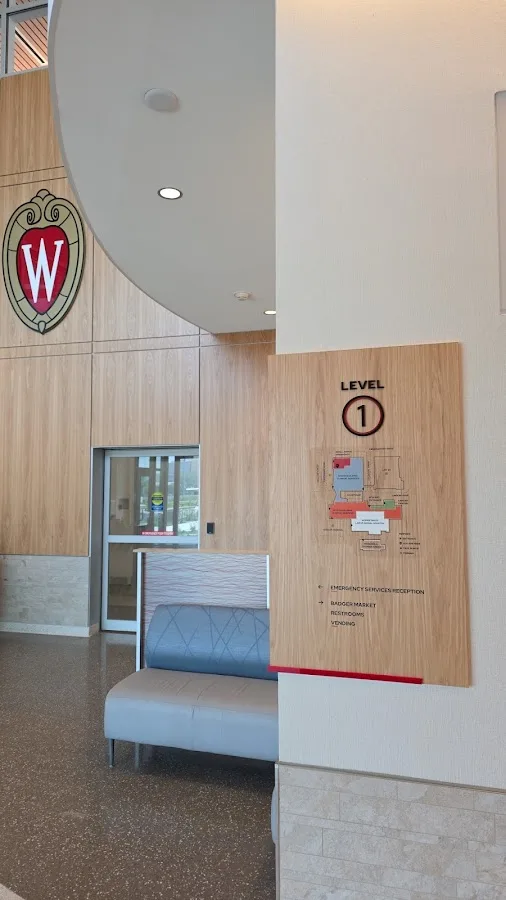
When a pet may need urgent veterinary attention, the most useful first decision is often not which clinic has the highest rating. It is whether the animal’s situation fits the facility’s current emergency pathway and whether the team is ready for the arrival. UW Veterinary Medical Center in Madison is listed at 515 Easterday Ln, and the local listing marks it open 24 hours. The listing also provides a call-ahead number, giving owners a practical way to check current instructions before traveling.
Using the Madison listing before an urgent visit
The address shown for this listing is 515 Easterday Ln, Madison, WI 53706, United States. That detail matters because an older address, a saved map pin, or a familiar entrance can create avoidable confusion during a stressful veterinary decision. Before leaving, a pet owner can compare the destination in the listing with the address in the phone or navigation app, then call the hospital at +1 608-263-7600. The listing marks the facility open 24 hours and advises owners to call before arriving. The call is not a substitute for professional triage; it is a practical way to check the current status and what the team wants the owner to do next.
What UW Veterinary Care publicly lists for animal care
The official UW Veterinary Care site presents a broad veterinary setting rather than a narrow single-service clinic. Its public service navigation includes an Emergency Small Animal Clinic for cats and dogs, as well as areas such as cardiology, critical care, dentistry and oral surgery, dermatology, internal medicine, neurology and neurosurgery, oncology, ophthalmology, physical rehabilitation, primary care, and surgery. It also lists exotic species care for birds, rabbits and small mammals, reptiles, and zoo medicine, alongside large-animal services including equine and livestock care.
Those published categories can help an owner describe the animal and the concern during a call, but they should not be treated as a promise that every service is available for every case at every moment. The appropriate question is whether the current veterinary team can assess that animal now, whether emergency care is operating at the time of the call, and whether another destination is more suitable. A caller can also ask which records, medications, or prior test results would be useful to bring.
How to use the rating without letting it make the decision
The available listing shows UW Veterinary Medical Center at 5.0 from 15 reviewers. That is a concrete public signal, and it may give a prospective caller some context about other pet owners’ experiences. It does not establish current emergency availability, wait time, species acceptance, treatment suitability, or the outcome of a particular animal’s visit. Reviews also cannot replace an assessment by a qualified veterinary professional.
A better use of the rating is as one small part of a call-first decision. Confirm the location, explain the animal’s species and the immediate concern in plain language, and ask whether the clinic wants the owner to come in or follow a different instruction. If the animal’s condition appears time-sensitive, the owner should not delay necessary professional help while trying to interpret online reviews or write a detailed comparison.
Which details make a veterinary triage call more useful?
A concise call can cover the animal’s species, approximate age, the main change that prompted concern, when it began, and whether the owner has already spoken with another veterinarian. It is also useful to have current medications and relevant medical records available if they can be accessed without delaying the call. The supplied official-site information includes the contact number 608-263-7600, and the local listing gives the same number as +1 608-263-7600. Owners can use it to ask about current emergency status and arrival instructions.
Owners should ask directly whether emergency services are accepting the case, which entrance or destination to use, and what information should travel with the animal. If the concern involves a bird, rabbit, reptile, horse, or another non-dog or non-cat species, naming that species at the start is particularly important because the site lists multiple animal-care categories with different scopes.
What this Madison listing establishes—and what remains to confirm
UW Veterinary Medical Center is listed in Madison at 515 Easterday Lane, with a phone number for current questions and a 24-hour status in the local listing. Its official site identifies an Emergency Small Animal Clinic and multiple specialty and species-related service categories, while the public listing records a 5.0 rating from 15 reviewers. Those facts make the center a reasonable option to investigate when an animal needs urgent or complex veterinary attention.
They do not, by themselves, confirm that emergency care is open for a particular arrival, that a specific specialist is available, or that the facility is the right destination for an individual case. The most reliable next step is therefore specific and simple: call +1 608-263-7600, verify the current emergency status and destination, and follow the veterinary team’s instructions rather than relying on a map listing or a review score alone.