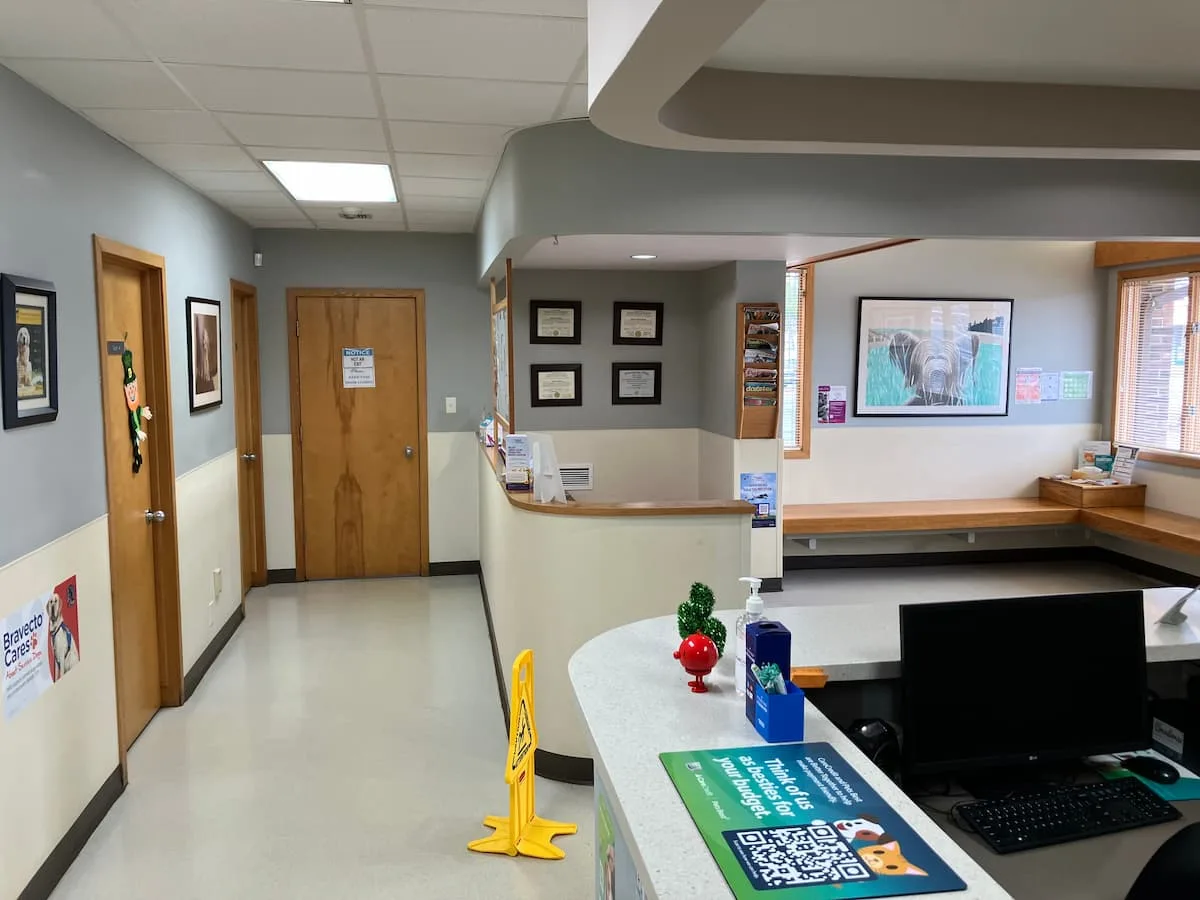
When a Toledo pet needs prompt veterinary attention, the useful question is not simply whether a listing uses the word “emergency.” The better question is whether Steven Graber, DVM fits the animal’s immediate situation, travel plans, and need for veterinary triage. Public listing information places the practice at 3311 W Laskey Rd, Toledo, OH 43623, United States, and identifies it with urgent and emergency veterinary care. Because hours, staffing, species coverage, and case acceptance can change, a short call remains an important part of the decision before leaving home.
Why the W Laskey Road address matters when time is limited
Location becomes part of emergency planning once a pet’s condition appears to be worsening. The listed address is 3311 W Laskey Rd in Toledo, so an owner can compare that destination with the animal’s current location, traffic conditions, and any alternate veterinary option. The address is a useful navigation anchor, not proof that the clinic is accepting walk-ins at a particular moment. An owner who is already preparing to travel should confirm the destination and current instructions by phone rather than relying on an old map result or an assumed schedule.
What the public record establishes—and what it leaves open
The current record describes Steven Graber, DVM as a veterinarian associated with Emergency Veterinary and Local Service categories. It also shows a 4.7 rating from 9 reviewers. That rating can help an owner recognize the listing and understand that some clients have shared positive feedback, but it cannot predict how the practice will handle a particular animal or urgent presentation. Nine reviews are context, not a substitute for clinical assessment, current availability, or a direct answer about whether the case fits the practice.
The listing does not by itself settle important operational questions. It should not be read as confirmation of 24-hour coverage, walk-in acceptance, in-house diagnostics, surgery, hospitalization, or care for every species. Those details need to be confirmed with the veterinary team. Keeping that distinction clear helps prevent a public label from becoming an unsupported promise during a stressful moment.
Which call-ahead questions make the veterinary decision clearer?
A focused call can establish practical fit without attempting to diagnose the pet at home. The owner can explain the animal’s species, approximate age, the main observable change, when it began, and whether the situation is getting worse. The caller can then ask whether the practice is open now, whether the team can assess the case, whether the animal should be transported immediately, and whether another emergency facility is more appropriate. If the practice is not the right destination, a timely referral or alternate direction may be more useful than an uncertain drive.
For the Toledo listing, the displayed phone number is +1 419-475-3456. Calling that number before arrival is especially important because online hours and emergency policies may not reflect same-day changes. The practice’s listed website is http://www.grabersanimalhospital.com/; it can be checked for current contact information and service details, while the phone call remains the better way to verify immediate availability.
What information should travel with the pet?
Once a veterinary destination has been confirmed, the owner can gather information that makes triage more efficient: the pet’s name and species, age or approximate age, relevant medical history, current medications, known allergies, and the time the concerning change was first noticed. A brief timeline is often easier for the veterinary team to use than a long, uncertain explanation. If the pet has been seen elsewhere, copies of recent records or medication labels may also help, when they are readily available.
The practical goal is organization, not home treatment. Owners should avoid delaying a call while trying to determine a diagnosis from online material. If the animal is difficult to move or appears unsafe to handle, the caller should describe that constraint and ask the veterinary team for transport guidance. The appropriate response depends on the individual animal and the facts available to the clinician.
How should owners use the listing after the first call?
After speaking with the practice, the listing’s address, phone number, and website can serve as a simple reference point for navigation and follow-up. If the owner is told to seek another facility, that instruction should take priority over the public rating or category label. If the owner is told to come in, confirming the exact entrance, arrival process, and documents to bring can reduce avoidable confusion, without assuming that an appointment or walk-in policy applies unless the staff states it.
Steven Graber, DVM is therefore best approached as a Toledo veterinary option to verify, not as a guarantee of emergency access. The 3311 W Laskey Rd address, +1 419-475-3456 phone number, 4.7-from-9-reviewers listing, and official website give pet owners identifiable starting points. The decisive information is the current conversation with the veterinary team and whether its instructions fit the animal’s immediate needs.