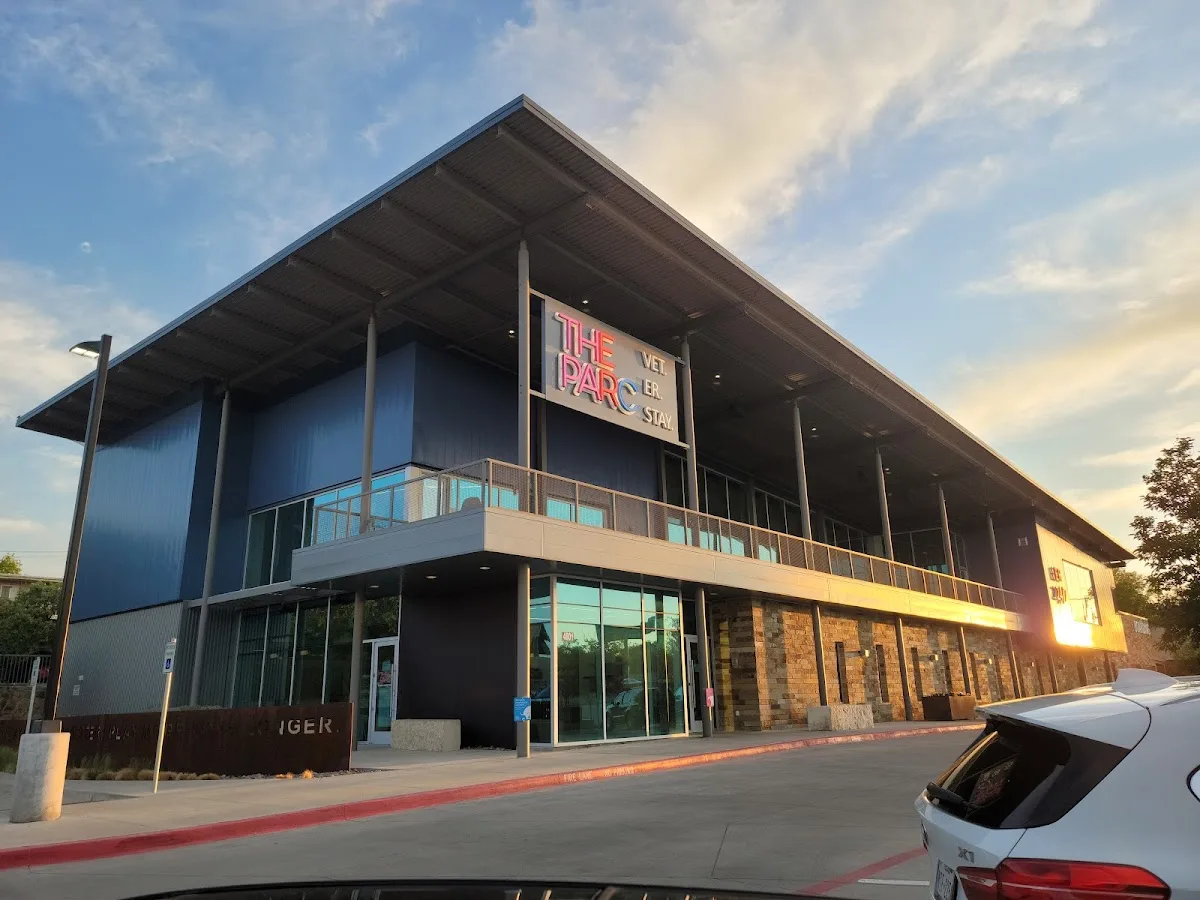
When a dog or cat suddenly becomes sick or injured, the hardest part is often not the drive—it’s figuring out whether the emergency veterinary team you’re heading to can triage your specific situation right away. Nashville Veterinary Specialists + Animal Emergency lists its Nashville hospital at 2971 Sidco Dr, Nashville, TN 37204 and provides a direct line at (615) 386-0107. If you’re deciding whether this is the right place for your pet, a short call can help you confirm the practical details that matter most.
Start with the “walk-in emergency” reality (not just the hours)
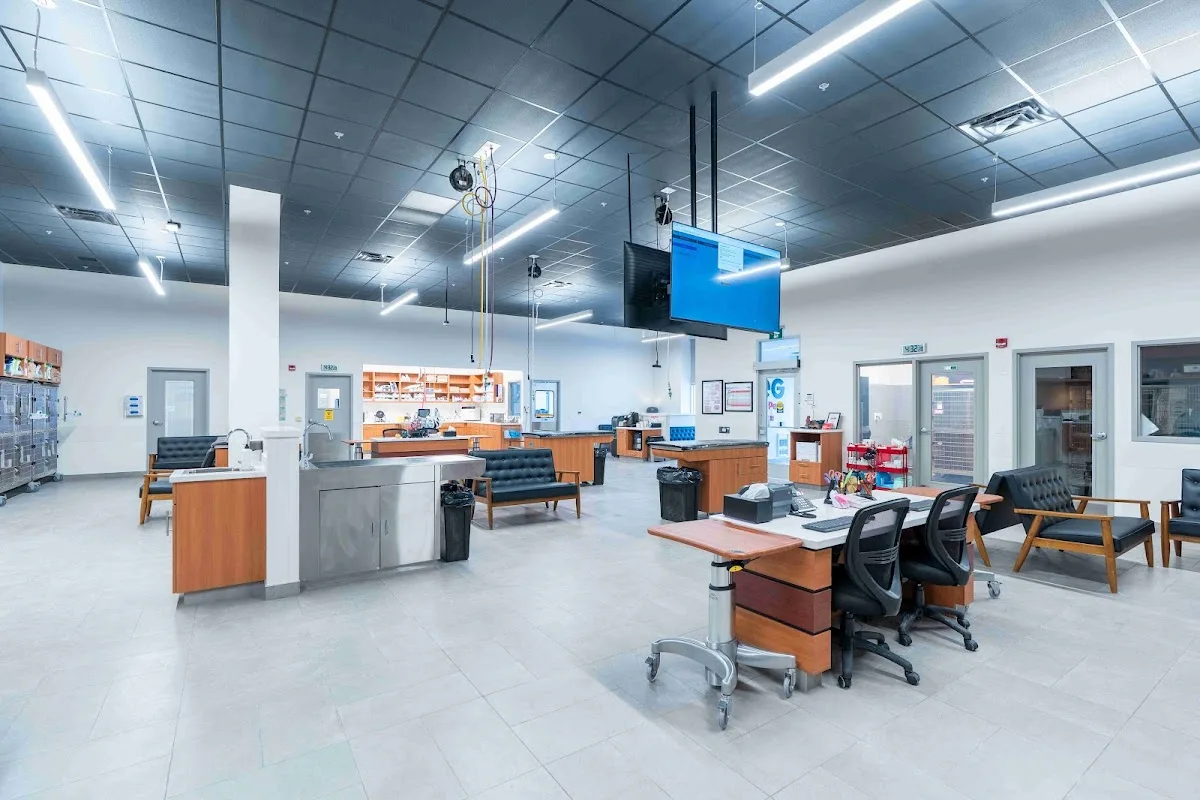
For many pet owners, the first question is whether they can arrive without an appointment. Nashville Veterinary Specialists states that their Nashville hospital is open for walk-in emergencies 24 hours a day, and that you don’t need an appointment or referral to use their emergency services. That’s a key triage-fit signal: when time matters, knowing intake won’t require scheduling can reduce delays between “something’s wrong” and “your pet is being assessed.”
Ask what happens at intake: triage flow, not marketing claims
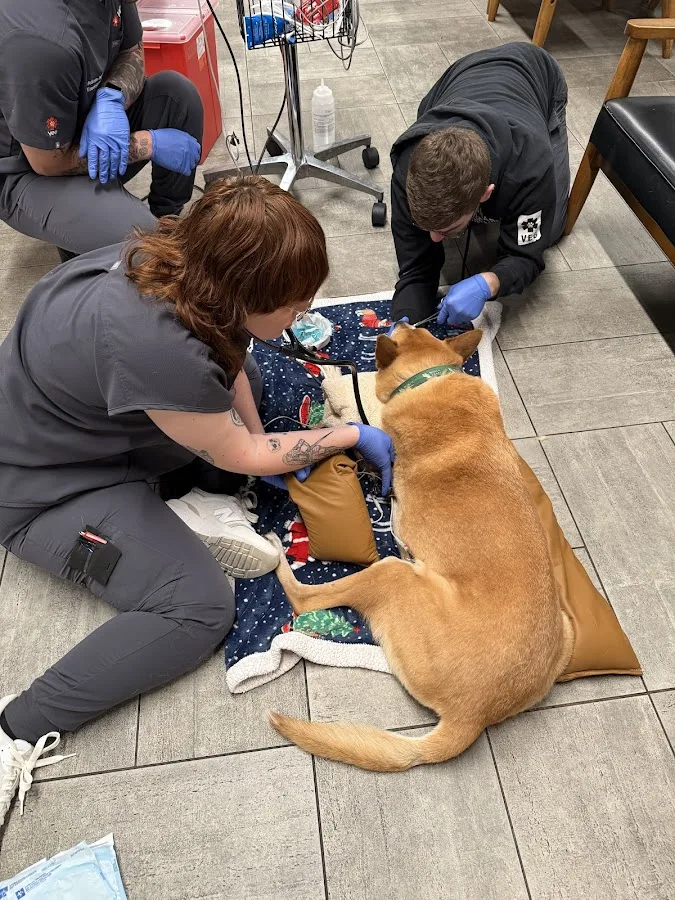
Once you confirm walk-in emergency availability, shift the call toward workflow. Instead of asking only “Are you open?” ask how triage works when you arrive with an urgent case. Helpful questions include: will someone take a brief case summary at the door or by phone, who performs the initial assessment, and whether they prioritize based on breathing, bleeding, consciousness, or pain. Emergency care decisions are easier when you know the order of operations.
During your conversation, be ready to share a 60-second summary: your pet’s species (dog or cat), age, what you noticed first, whether symptoms are worsening, and any known medical history. This helps staff prepare for the type of emergency support your pet may need.
Clarify whether your situation is emergency vs. scheduled specialty
Nashville Veterinary Specialists notes that their doctors see patients for both non-scheduled medical emergencies and scheduled specialty appointments. They also indicate that a referral from your primary care veterinarian is needed to schedule an appointment with one of their specialists. That distinction matters if your pet is stable enough for a planned visit, or if you need immediate emergency care only. If there’s uncertainty, ask directly how they classify cases when symptoms are evolving.
Prepare for what staff can use immediately when you arrive
A triage call should also help you prepare. Before you hang up, ask what to bring so intake doesn’t lose momentum. In most emergency veterinary situations, useful items include any current medications, recent discharge papers if your pet was treated elsewhere, and contact information for your regular veterinarian. If your pet has been exposed to something unusual (toxic plants, medications, foreign objects, or a new supplement), have that information ready—staff can use it to guide the initial assessment.
Finally, plan how you’ll transport your pet safely. For example, if your dog may be painful, consider a calm, secure setup for the car ride; if you’re transporting a cat, use a carrier and limit handling so stress doesn’t escalate right before intake.
Use the phone number and address as your “decision anchors”
If you’re trying to decide quickly, return to the essentials. Nashville Veterinary Specialists lists the emergency contact line at (615) 386-0107 and the hospital location at 2971 Sidco Dr. Calling ahead to confirm triage flow, walk-in policy, and what to bring can turn a stressful situation into a more controlled plan.
When you’re facing an urgent veterinary moment, the goal isn’t to research forever—it’s to reach a place that can triage your pet promptly and communicate clearly. One well-focused call can help you get that certainty, so you can concentrate on keeping your animal safe until care begins.