For an urgent large-animal veterinary visit, two questions matter before setting out: does the hospital handle the animal and concern, and which entrance or address should the carrier use? The University of Minnesota Veterinary Medical Center’s official Large Animal Hospital page lists emergency hours 24 hours a day, seven days a week, along with weekday daytime hours of 8:30 a.m. to 4:00 p.m. Yet the address shown in a local listing for this place differs from the address on that official page. Calling first can help an owner verify the destination and current instructions rather than relying on a map pin alone.
Resolve the address discrepancy before travel
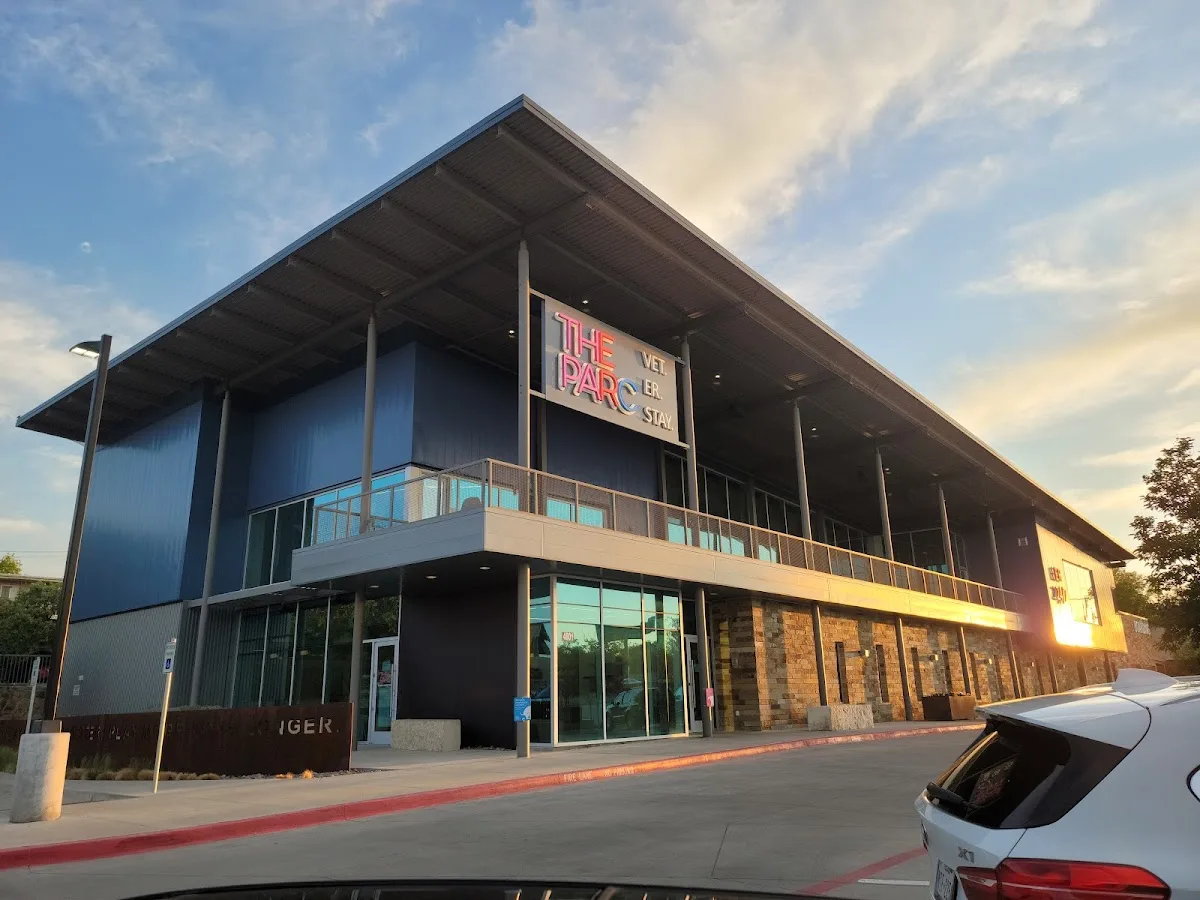
The local listing associated with Large Animal Hospital gives 1971 Commonwealth Ave, St Paul, MN 55108, and shows a 5.0 rating from 1 reviewer. The hospital’s University of Minnesota page instead lists 1365 Gortner Avenue, St. Paul, MN 55108. Those are different street addresses, so the listing address should not be treated as confirmed directions to the hospital entrance. The official page provides the hospital phone number, 612-625-6700. Owners can use it to ask which address and arrival point apply to their specific visit. A single review is a limited snapshot, not a measure of emergency availability or a substitute for confirming logistics.
Check species fit and the kind of care requested
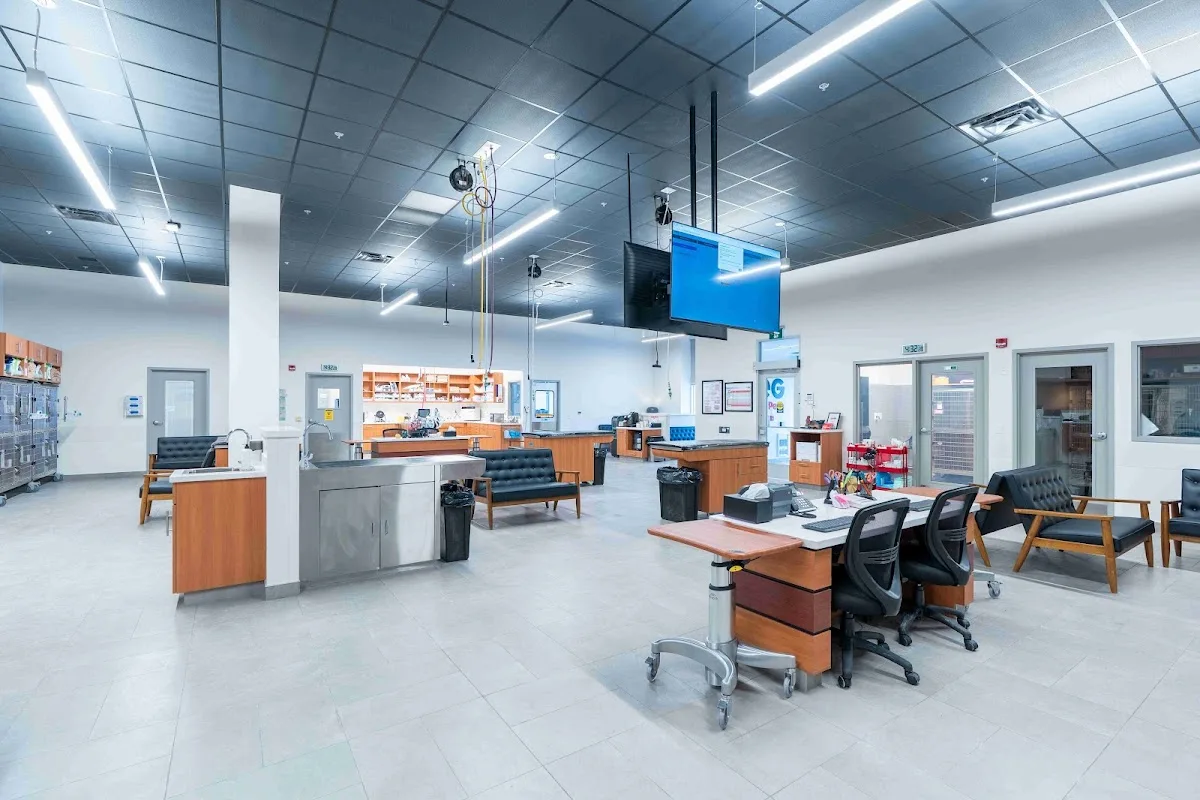
The official page says the Large Animal Hospital provides specialized services for bovine, camelid, pet pig, sheep and goat patients, as well as occasional zoo animals. It also describes distinct areas and equipment for some of these groups, including a dedicated camelid area, a pet pig ward, and spaces for cattle and small ruminants. This gives owners a concrete starting point for asking whether the hospital is the appropriate veterinary destination for the animal in question. The page does not establish that every species or case can be accepted at any moment, so callers should describe the animal plainly and confirm the receiving plan.
When calling about an urgent concern, concise, factual information is more useful than trying to label the problem. Be ready to identify the species, approximate age, location, when the concern began, what has changed, and whether a veterinarian or referring clinic is already involved. Ask whether the hospital wants the owner to come in, whether a referral or scheduled drop-off applies, and where to report on arrival. These are questions for the veterinary team; the article is not a substitute for clinical triage or an individual assessment.
Separate emergency hours from daytime scheduling
The official hospital page publishes daytime hours of Monday through Friday, 8:30 a.m. to 4:00 p.m., and emergency hours of 24 hours a day, seven days a week. It also says drop-offs can be scheduled with the large animal office or through the client’s clinic. These details describe more than one way a visit may be arranged; they do not mean that every case should arrive as an unscheduled drop-off. In a time-sensitive situation, call the listed number and state clearly that the concern is urgent. For a planned evaluation or a drop-off, ask which scheduling route applies and what timing the team has approved.
The page lists broad medical, surgical, reproductive, and imaging services, including critical care, lameness evaluations, reproductive services, radiology, ultrasound, CT, and MRI. This service information can help an owner frame a question, but it cannot confirm that a particular procedure, specialist, or diagnostic service is immediately available for an individual case. Ask what the next clinical step is and whether records or images from the referring veterinarian should be sent ahead.
Make the call useful for the receiving team
Before dialing, gather the animal’s identifying details and the referring clinic’s name, if applicable. Keep notes of the exact location the hospital gives, the entrance or arrival instructions, and any paperwork the team requests. If transport involves a large animal or specialized trailer, ask whether there are access instructions to follow. The official page describes animal-specific wards and examination facilities, but it does not publish detailed transport directions; those should be confirmed directly rather than assumed.
Owners can also ask whether the hospital needs a scheduled drop-off, what records should accompany the animal, and whom to contact if travel timing changes. If another clinic is coordinating the referral, clarify whether that clinic should make the arrangement. These practical details help distinguish a hospital’s published service scope from the plan for one particular visit.
Use verified details, not assumptions
The University of Minnesota page is the strongest source for the hospital’s listed species, service categories, operating-hour information, phone number, and Gortner Avenue address. The separate local listing explains why some searchers may see Commonwealth Avenue, but it does not resolve the discrepancy. For urgent veterinary care, the safest planning step is to contact the hospital at 612-625-6700, confirm that it can receive the animal, and obtain the correct destination and arrival instructions before departure. If the situation changes while arranging travel, update the receiving team so they can advise on the next step.