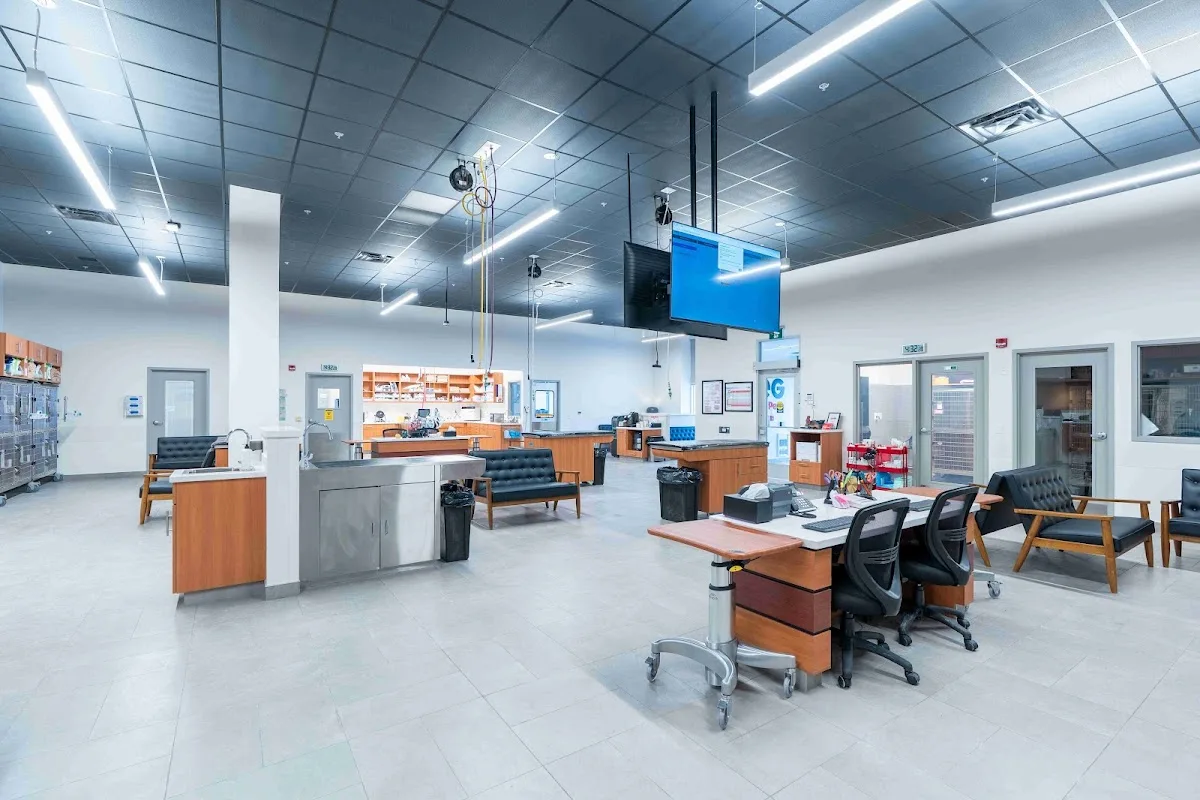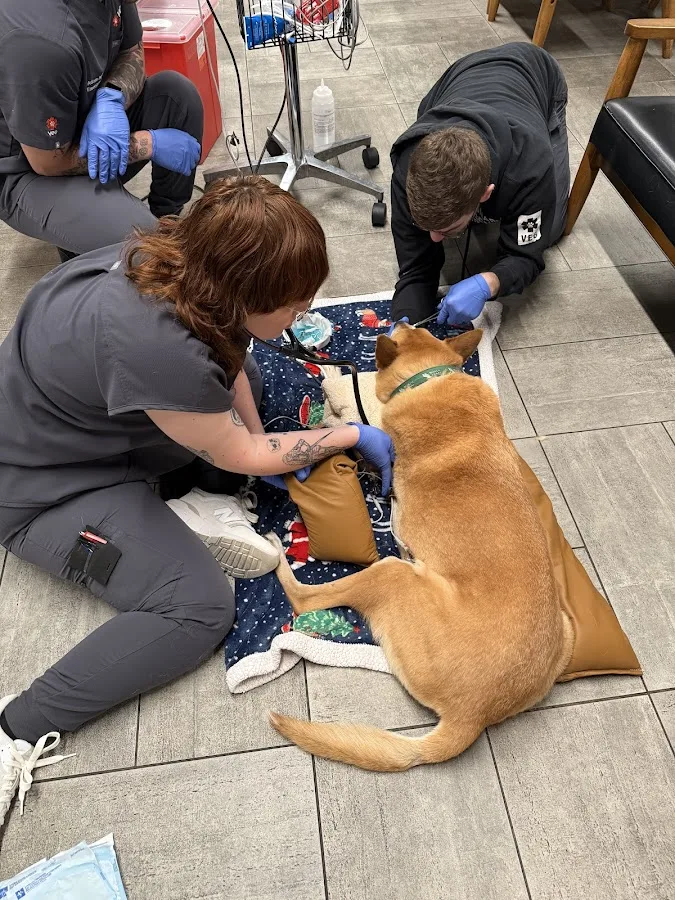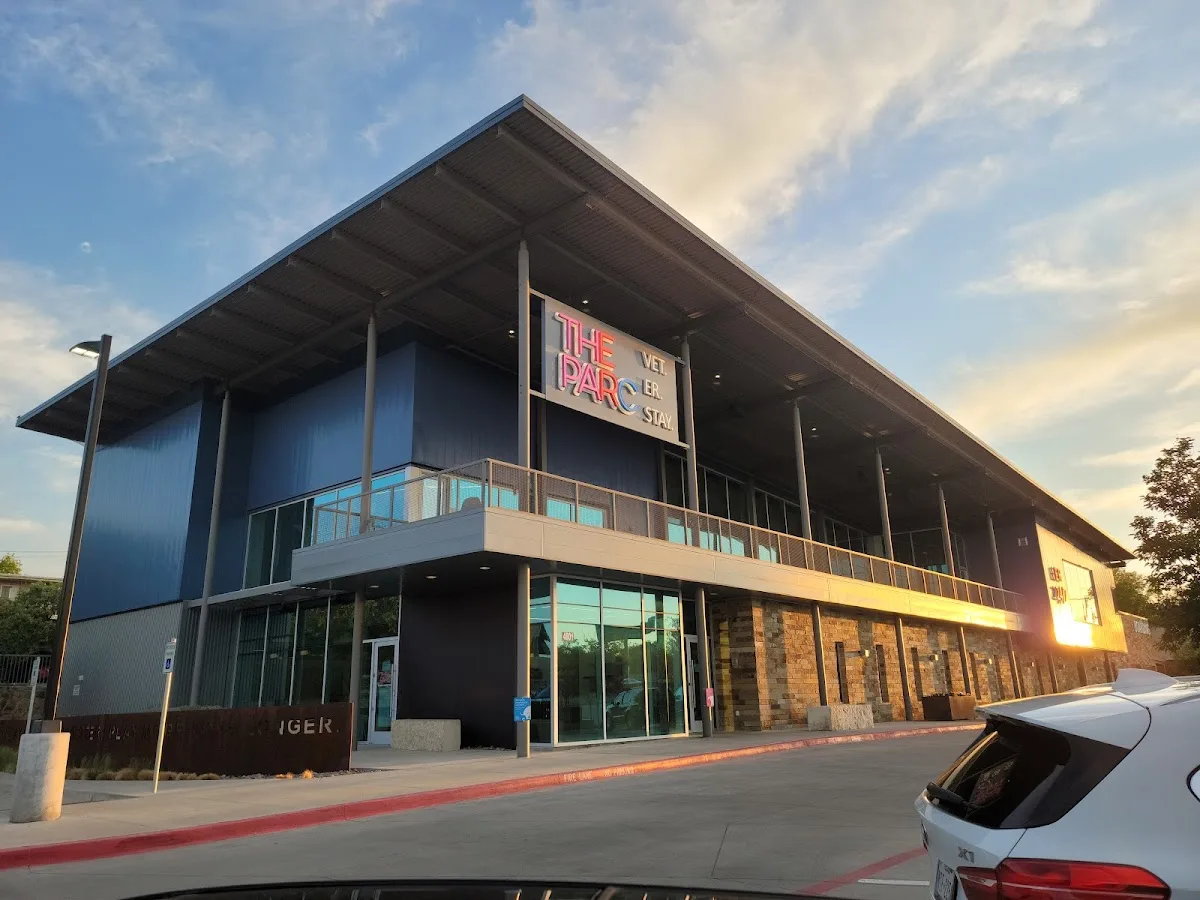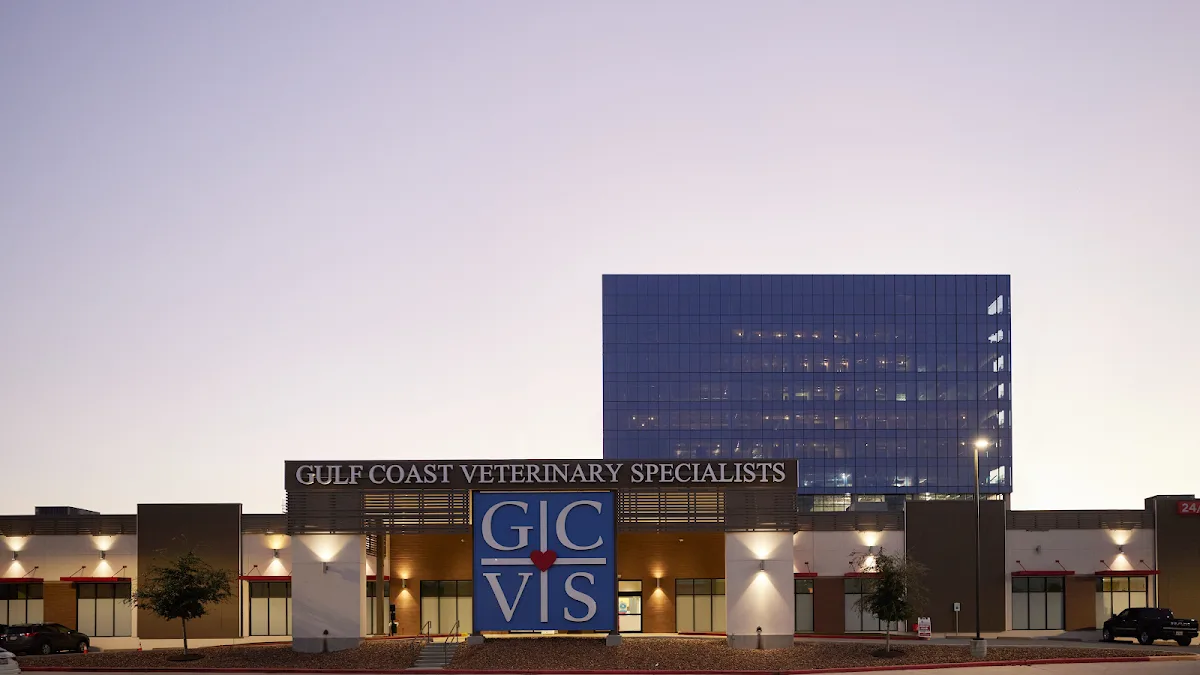
When a pet needs urgent attention, the first decision is not simply which veterinary hospital is nearby. It is whether the hospital’s published services fit the kind of care being sought—and whether it can receive the animal at that moment. Gulf Coast Veterinary Specialists (GCVS) presents emergency care alongside a broad specialty service lineup, so Houston-area pet owners can use its published information to frame a focused call without assuming that a listed service guarantees immediate access.
GCVS describes emergency care within a specialty hospital
GCVS’s official website describes a 24/7 emergency room and specialty veterinary care. Its service categories include Emergency, Critical Care, Diagnostic Imaging, Internal Medicine, Neurology, Surgery & Orthopedics, and Avian & Exotics, among others. That breadth may make the hospital relevant when a pet’s needs involve emergency evaluation or a specialty department, but a service menu is not a real-time capacity report or a determination that a particular case can be managed there.
For a pet owner, the practical distinction is between the type of help being considered and access at the time of the call. A listing for emergency care does not establish current wait times, whether the team can accept a patient, or the route for reaching a particular specialist. Contact the hospital and describe the immediate concern in plain terms; ask whether the appropriate next step is to come in, speak with a veterinary professional, or contact another provider. The clinic—not a website overview—can clarify its current process.
Use the call to clarify emergency-versus-specialty fit
GCVS identifies emergency and critical care separately from specialty departments such as Neurology, Internal Medicine, and Surgery & Orthopedics. Those categories help a caller explain what kind of care they are trying to locate, but they should not be treated as a promise that a specific specialty is available for every case or at every hour. Ask how the emergency team handles cases that may need specialty evaluation, and whether records or a referral from the pet’s regular veterinarian would be useful.
Keep the conversation focused on decisions the hospital can confirm: whether it is accepting the case now, which location is appropriate, what information to bring, and whether a referring veterinarian should send records. If the pet has already been assessed elsewhere, ask how to share the relevant notes or test results. These are access and coordination questions, not a substitute for veterinary assessment or a way to predict what care will be recommended.
Match the Houston listing to the destination
The local listing for GCVS identifies the Houston address as 8042 Katy Fwy, Houston, TX 77024, United States, and gives +1 713-693-1111 as the phone number. GCVS’s website also announces a NASA Parkway location in Webster, so confirm which site is appropriate before setting out; do not assume that a service detail or directions for one campus automatically apply to the other.
The official GCVS contact page is a useful starting point for checking location information, while a direct call can resolve questions about current access. Confirm the street address and destination in the same conversation, especially if a search result, map listing, or older message shows a different site. The number above is reported by the local listing; verify it against the official site if anything appears inconsistent.
Separate published claims from real-time details
The website’s 24/7 emergency-room statement is an important published signal, but it does not answer every operational question. It does not by itself confirm whether the hospital is receiving a particular animal now, whether a wait is expected, what the visit may cost, or which specialists are on site at a given time. Those details can change, and the available pages do not establish individual appointment or walk-in terms. Ask directly rather than inferring a policy from the phrase “24/7.”
Likewise, a long list of departments is helpful for identifying possible areas of fit, not for deciding what diagnosis or treatment a pet needs. Explain what prompted the call and follow the veterinary team’s instructions about next steps. If the situation changes while arrangements are being made, contact the hospital again so staff can respond to the updated information.
Make the next step specific
GCVS may be worth contacting when the question involves emergency veterinary care or whether a specialty service is relevant. A useful call confirms the correct campus, current ability to receive the case, and any records or information the hospital wants before arrival. Use the Houston listing at 8042 Katy Fwy as a location lead, not a substitute for confirming the destination.
With a pet’s immediate needs in view, verify the current details through GCVS’s official contact information and speak with the hospital directly. That approach uses the site’s published emergency and specialty-care structure while leaving case-specific decisions to veterinary professionals who can assess the situation.