When a pet suddenly becomes ill, laboratory tests and imaging are not interchangeable ways to “run more tests.” They produce different kinds of information. An emergency veterinarian begins with the animal’s condition and examination, then considers which unanswered clinical question could be clarified by a blood or urine measurement, an image, or both. The findings are interpreted together; no single test is a complete explanation of every illness.
Start with the clinical question, not a standard test package
Vomiting, weakness, or an abrupt change in behavior can have more than one possible cause. The veterinary team first assesses the pet and the immediate concern. That context helps determine what information is useful: a measurement of body function, a view of internal structures, or additional evaluation. The purpose is not to order every available test automatically, but to investigate relevant possibilities and inform the next decision.
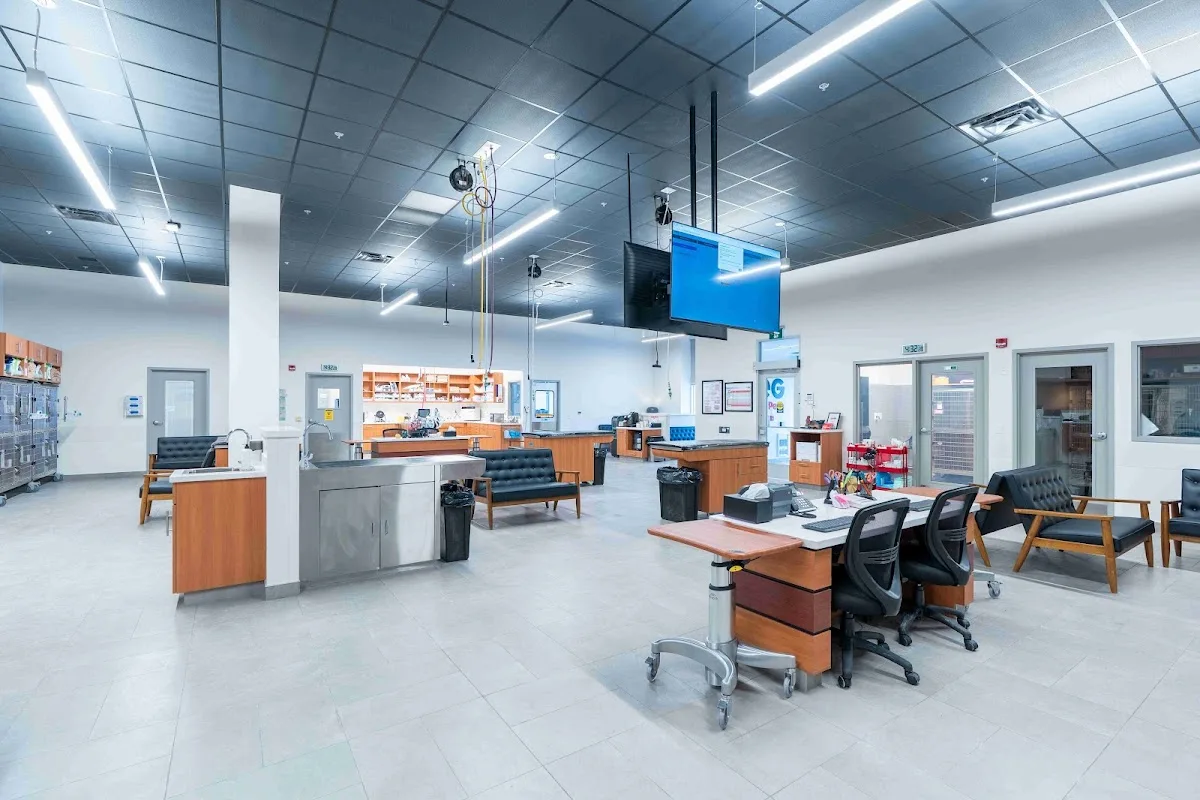
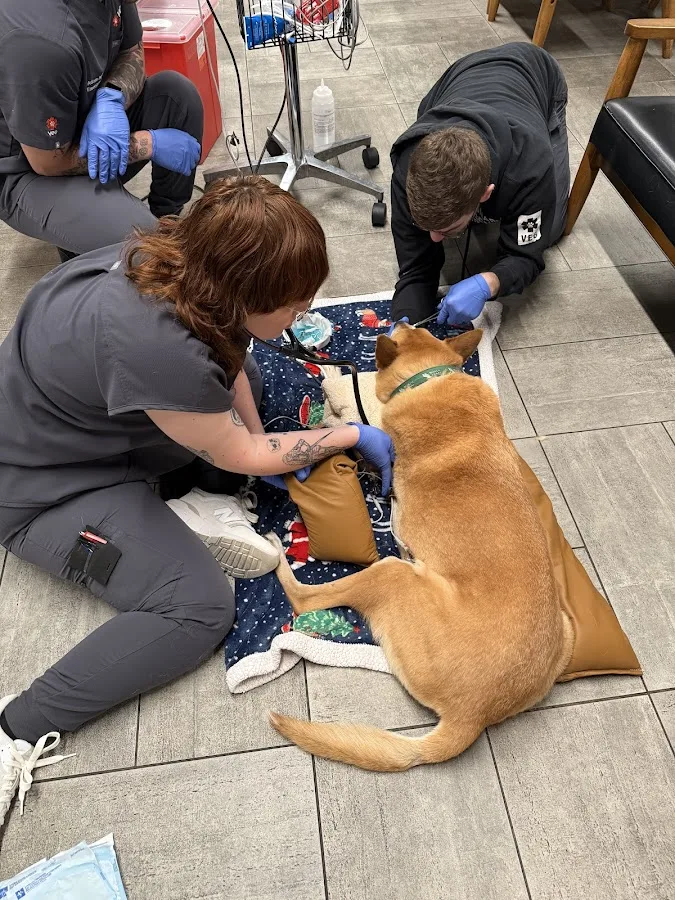
Greenlight Pet ER describes a veterinarian examining a pet, running diagnostics if needed, and discussing what is happening and what options are available. Its Arlington location page, which currently says the hospital is coming soon in November 2026, lists an in-house laboratory, digital X-ray, and ultrasound among planned facility services. Those details illustrate the distinct diagnostic tools an emergency veterinary hospital may describe; they do not mean the Arlington hospital is open today. See the Greenlight Pet ER Arlington details for the current location information.
What laboratory measurements can contribute
Blood and urine tests measure substances or characteristics in samples. Depending on the tests selected, results can give a veterinarian information about aspects of body function, such as blood-cell counts, chemistry values, electrolytes, or urinary findings. These are measurements, not pictures. They may help frame questions about how the body is functioning, but a value must be interpreted in the context of the pet’s examination and circumstances.
Greenlight’s laboratory page describes in-house blood work, urinalysis, and clotting tests. It also says its laboratory performs a complete blood count and chemistry panel on site. These are examples of what its published laboratory service describes, not a promise that each pet needs every test or that a particular result will identify a cause on its own. If testing is proposed, the useful discussion is what question each test is intended to address and how its result could affect the care plan.
What imaging can show that a sample cannot
Imaging supplies visual information about internal structures rather than laboratory measurements. Greenlight’s Arlington page lists digital X-ray and ultrasound as planned services. Its descriptions distinguish digital imaging used to visualize structures from ultrasound, which uses sound waves to produce views of organs and can show fluid. In general, an image may help investigate a structural question that a blood or urine result cannot answer by itself.
Different imaging methods also show different features. X-rays can reveal patterns of shape and density; ultrasound can provide views of soft tissues and fluid. Greenlight’s ultrasound description explains that the two types of images may be used together because they show different information. This does not make them a fixed pair for every sudden illness: which method is relevant depends on what the veterinarian is trying to learn and the pet’s situation.
How results shape the next decision
A veterinarian considers test results alongside the history and physical examination. For example, laboratory measurements may raise or reduce concern about a body process, while imaging may help assess a structural finding. When results point in different directions, that is a reason to interpret them together—not to treat one number or image as the whole story. Sometimes further evaluation is needed; in other cases, the available findings help the veterinarian explain care options.
Greenlight says its diagnostic process includes explaining findings and available options to the pet’s owner. A practical conversation can therefore focus on the purpose of a proposed test, what kinds of information it can provide, and how the result might change the plan. Asking for that connection makes the role of each diagnostic tool clearer without assuming in advance which test is appropriate.
The central distinction is simple: laboratory tests measure, imaging depicts, and the clinical examination gives those findings context. Together, they can help an emergency veterinarian investigate sudden illness and make an informed care plan, while each test still has limits. Greenlight Pet ER’s Arlington page describes a planned emergency veterinary hospital with laboratory testing, digital X-ray, and ultrasound; because it lists a November 2026 opening, verify the location’s current status before relying on it for care.