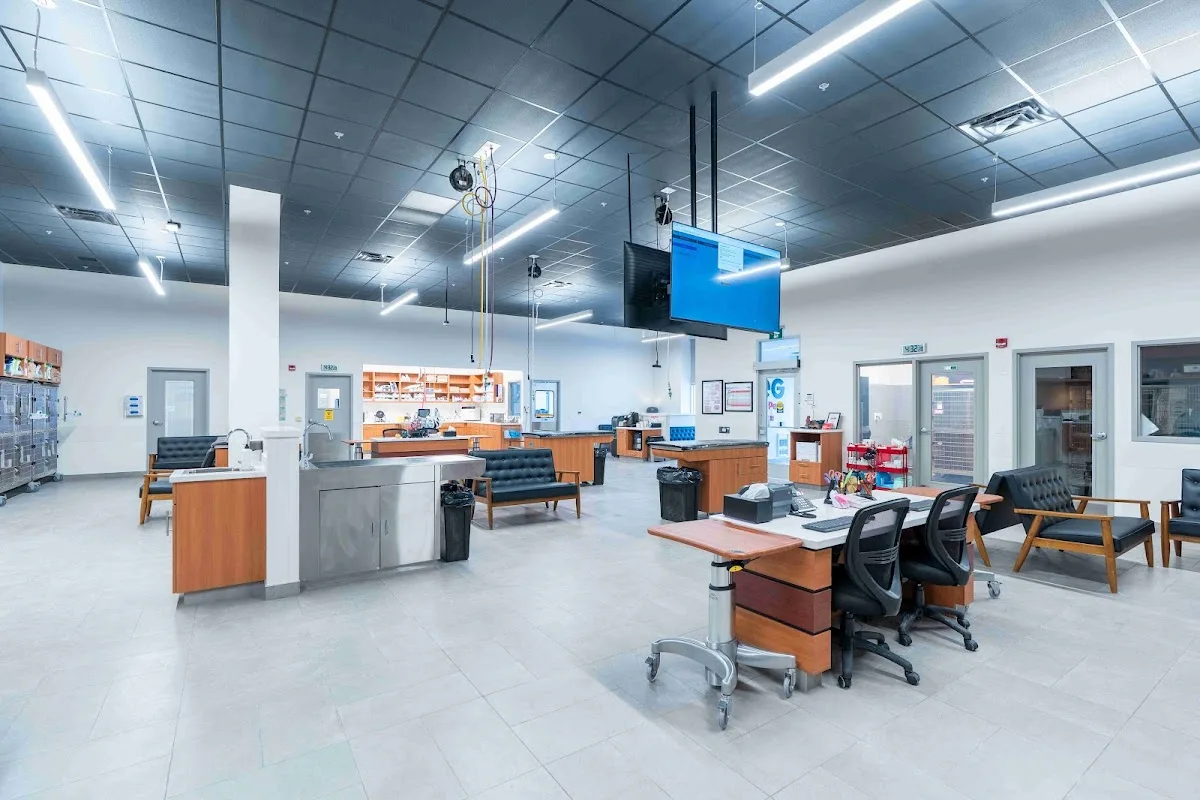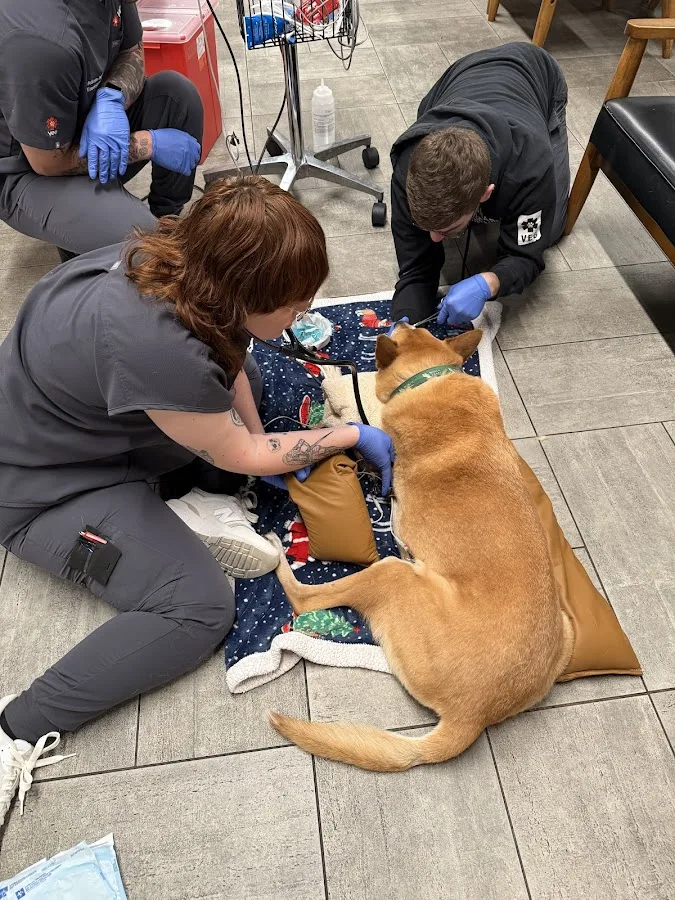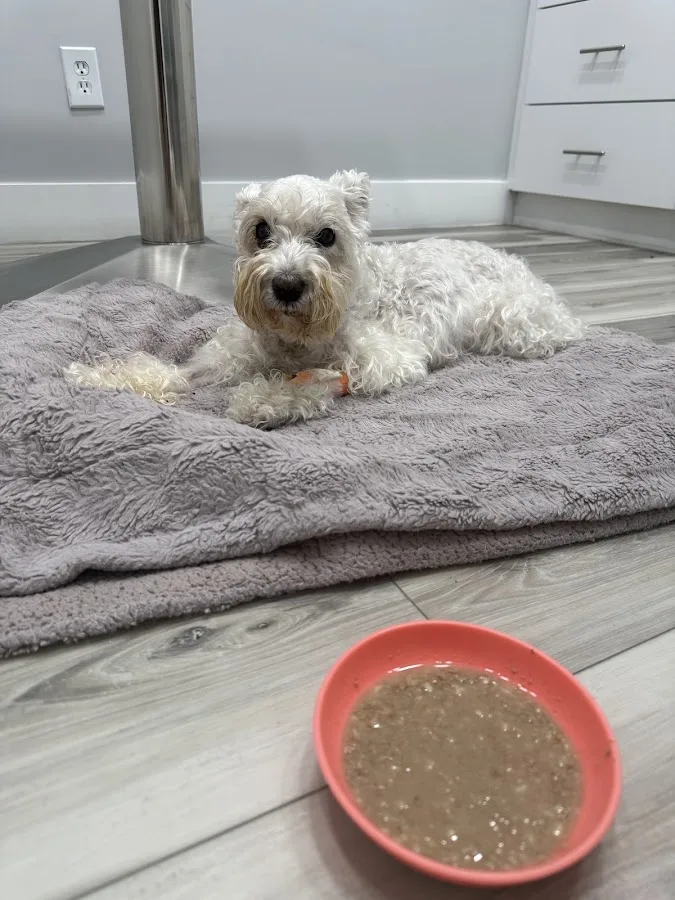
When a dog or cat is suddenly sick or hurt, the most important step isn’t finding directions—it’s confirming that the emergency veterinary team you’re driving to can handle your timing and your pet’s needs. Animal Emergency and Urgent Care Center (AEUCC) is positioned as an emergency and urgent care option in Deerfield Beach, and the practical decision points are clear: you have a 24-hour emergency phone line, a published street address, and a facility description that emphasizes critical care capabilities.
If you’re trying to reduce uncertainty fast, treat this as a “triage fit” check: will they be open, will their staff handle your type of case, and can intake move quickly once you arrive?
Start with the route-controlling facts: call before you go
AEUCC lists a direct emergency phone number, +1 954-428-9888, and public availability described as open 24 hours. Their location is shown as 103 N Powerline Rd, Deerfield Beach, FL 33442, United States. Calling first matters because emergency departments can experience surges, and a quick call gives you a chance to confirm they’re open and whether there are any arrival instructions that could affect intake.
This same info is also useful for families comparing options at 2 a.m.: 4.5 from 348 reviewers appears in the listing context, but what you really need at the moment is confirmation of current availability and that the case you’re bringing is within the scope of what they handle.
How AEUCC frames “emergency care” (and what that implies for triage)
AEUCC describes itself as a comprehensively staffed emergency animal hospital and highlights critical care services. On their official site, they list a range of capabilities such as diagnostic imaging, cardiology care, surgery, hospitalization, and trauma care. They also note that they serve veterinary patients in urgent situations when other practices may be closed.
In practical terms, this means your phone call should focus on immediate fit: what you’re seeing, when it started, and whether your pet needs critical monitoring. If you have a referral from your regular veterinarian, mention it during the call so triage has the most accurate starting point.
Send triage a clear, 60-second summary
Even when a clinic offers emergency veterinary care 24/7, intake improves when you communicate a concise case snapshot. Before you hang up, aim to provide:
- Species and age (dog/cat and approximate age)
- What you observed (injury, sudden illness signs, behavior change)
- Start time (when symptoms began)
- Severity cues (for example, whether your pet is struggling to breathe, collapsed, actively bleeding, or has persistent vomiting)
AEUCC’s mission statement language emphasizes emergency and critical care, so triage likely has a workflow designed to prioritize time-sensitive cases. A clear summary helps them route you to the right level of evaluation.
What to bring so intake doesn’t slow down
Because emergencies can involve rapid decisions, prepare what you can before you leave:
- Any medication list or recent treatments (even a photo on your phone)
- Proof of ownership if applicable (or your pet’s ID information)
- Photos or short video of the symptoms when that’s safe to capture
- Notes on allergies or prior diagnoses
If your pet is coming in with a wound or injury, include details on what may have caused it (for example, possible poisoning exposure, trauma mechanism, or a suspected foreign body). The goal is not to self-diagnose—it’s to help veterinary triage make fast, accurate decisions.
Confirm critical details on the official site before the drive
For families managing urgent timing, it’s worth verifying details directly at https://www.animalemergencyurgentcare.com/. Their site emphasizes open emergency access and outlines the emergency/critical care focus, along with contact options such as calling at (954) 428-9888. When you’re dealing with a sudden illness or injury, the best preparation is accurate information: address, phone number, and scope alignment.
Bottom line: if you’re weighing whether to drive into an emergency veterinary hospital during off-hours, use AEUCC’s published 24-hour contact information and address to confirm fit quickly by phone—then bring a concise, 60-second summary and any key documents or medication details. That combination helps triage start your pet’s evaluation without preventable delays.