Why preparation matters
When a pet is sick or due for a wellness exam, the first minutes of intake help the veterinary team confirm the concern, interpret history, and decide what should be addressed first. Thorough preparation can reduce delays and improve the accuracy of early recommendations.
Bring your pet’s medical history
Bring any records you already have, even if they are incomplete. This can include prior visit summaries, vaccination history, lab results, imaging reports, and discharge paperwork from earlier care. If the pet has a chronic condition (such as diabetes, arthritis, kidney disease, allergies, or heart disease), include the diagnosis date and any known triggers.
- Vaccination and test records
- Medication list (name, dose, and how often)
- Previous lab results or imaging reports
Write down a timeline of symptoms
Short, dated notes help clinicians understand whether a problem is worsening, improving, or fluctuating. Include when symptoms started, whether they began suddenly or gradually, and what changed after any home treatments.
- When symptoms began and how fast they progressed
- Anything that seems to make it better or worse
- Whether appetite, drinking, urination, or stool have changed
Document what you are seeing at home
Behavior and physical observations are valuable because pets cannot describe pain or discomfort. If possible, bring photos or video clips showing the issue. Note how often a symptom happens and whether it occurs at rest, during eating, or after activity.
- Vomiting/diarrhea frequency and appearance
- Coughing, sneezing, or breathing effort
- Limping, stiffness, or reluctance to move
- Skin irritation, itching, or discharge
Prepare for intake: safety and comfort
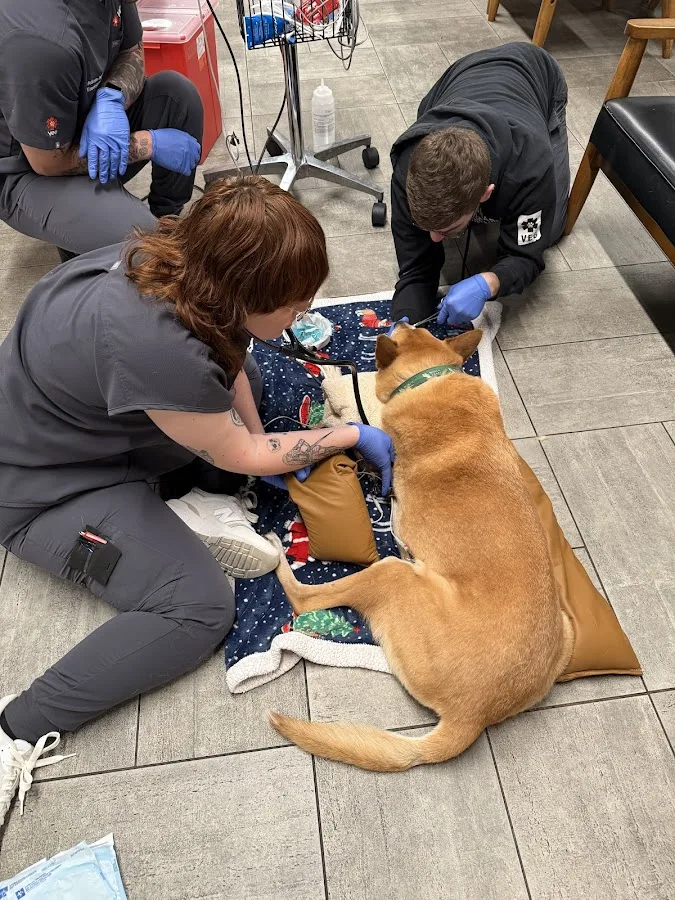
Plan how the pet will be handled during examination. Bring a leash for dogs and a secure carrier for cats and small pets. If your pet requires medication during the visit, bring the medication in its original container when possible.
If the pet is anxious or reactive, mention it during scheduling or at arrival. The veterinary team can adjust handling methods to reduce stress and keep the examination safe for everyone.
Ask targeted questions before you leave
Good questions help caregivers follow instructions correctly. Consider asking about the working diagnosis, immediate priorities, and the next check step.
- What is the most likely cause, and what else is being ruled out?
- What tests (if any) are recommended today, and why?
- What changes should be seen after starting treatment?
- Which symptoms mean the pet should return urgently?
When to seek emergency care instead
Not every concerning symptom should wait for a routine appointment. If a pet has severe breathing trouble, repeated uncontrolled vomiting, collapse, seizure activity, significant bleeding, suspected ingestion of a toxin, or an inability to stand, emergency evaluation is appropriate. If in doubt, contacting the clinic for triage guidance you choose the safest timing.
Cost and financing basics
Costs vary based on exam time, diagnostics, and treatment needs. Ask whether estimates can be discussed after the initial exam and which payments are accepted. Some veterinary practices offer financing options such as CareCredit or other medical credit programs, which spread qualifying balances.
Bottom line: Preparing medical history, a symptom timeline, and a medication list can make the first visit smoother and help the veterinary team triage concerns more efficiently.