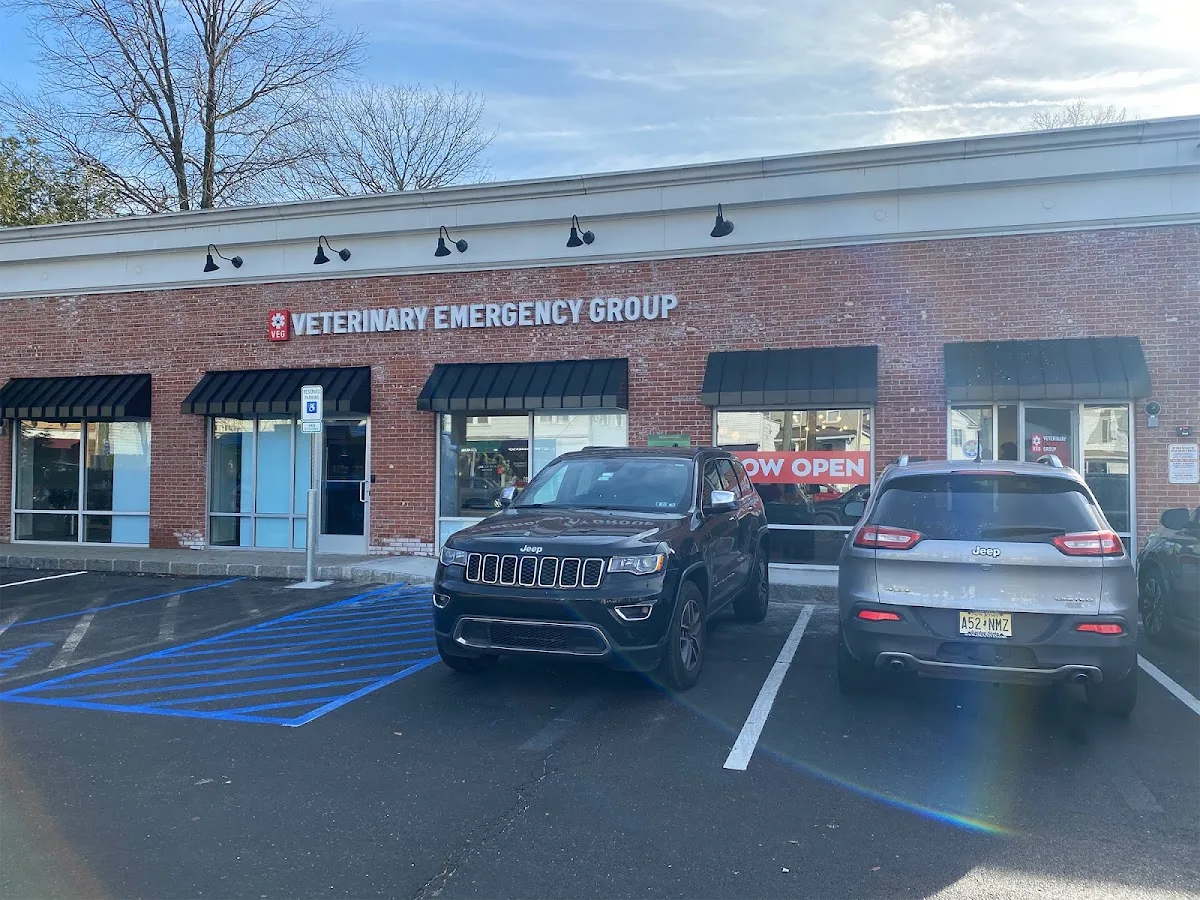
What the Long Island veterinary ER provides
Vet hospital/ER in Long Island, New York (609 Cantiague Rock Rd, Westbury) is set up for urgent, time-sensitive pet medical issues. Emergency care typically stabilizing breathing, circulation, pain, and temperature while a team performs rapid assessment and in-house diagnostics. Services listed for this location include emergency triage, imaging and ultrasound, IV fluids, oxygen support, hospitalization, and surgical capability when needed.
Because emergencies can change minute to minute, this type of hospital usually uses a structured triage flow rather than a typical scheduled appointment format.

When to choose the ER instead of waiting
Seek emergency veterinary care when a pet shows signs that could worsen quickly. Common examples include difficulty breathing, collapse, repeated or severe vomiting, uncontrolled bleeding, seizures that last more than a few minutes, suspected toxin exposure, pale or blue gums, inability to get comfortable, or a sudden abdomen that looks painful or distended. For head trauma, ingestion of foreign material, or possible internal injury, waiting at home can reduce the chance of effective treatment.
If your pet is stable but still worsening, call the hospital for guidance. In general, if you are debating whether to go and your pet has abnormal breathing, severe weakness, persistent vomiting, or neurologic signs, an ER evaluation is often the safer choice.
What to bring when you arrive
Preparation helps the team move quickly. Bring any medical records you have, including vaccination history, discharge summaries from prior visits, medication lists (with doses), and known allergies. If the emergency involves a possible ingestion or exposure, bring the product container, sample, or photo of the label. For pets with chronic conditions (such as diabetes, heart disease, kidney disease, or epilepsy), include details on when symptoms started and whether home medications were given.
It also helps to bring a leash and, when appropriate, a carrier for cats and small pets. For seizure patients or pets with vomiting, a towel and absorbent bedding can make the first minutes more manageable.

What triage and the first exam usually involve
At an emergency hospital, triage generally prioritizes immediate threats to life. Staff may assess airway and breathing first, check circulation (including heart rate, pulse quality, and capillary refill time), evaluate mentation, and measure temperature when relevant. Pain assessment is also common because controlling pain can improve a pet’s ability to stabilize and cooperate for diagnostics.
Typical first-step diagnostics may include bloodwork and rapid tests, imaging such as X-rays, and ultrasound when internal causes are suspected. The goal is to identify reversible issues (for example, dehydration, shock, toxin-related effects, or obstruction) and begin stabilization while additional information is gathered.
For guidance on the medical reasoning behind stabilization and triage, the AVMA provides general recommendations on emergency readiness and veterinary care principles.
How costs and payment are commonly handled
Emergency care often includes urgent diagnostics, monitoring, oxygen or fluid support, medications, and sometimes hospitalization or procedures. Costs can vary based on severity, diagnostics chosen, and whether surgery is required.
To avoid unexpected delays, it is reasonable to ask about a preliminary estimate once the initial assessment is complete. Many emergency hospitals also communicate options for ongoing diagnostics and treatment in a stepwise manner as results return.
For this location, contact by phone before arrival for intake instructions and to confirm which services are available during your visit. If you have pet insurance, bring the policy details so the hospital can provide documentation needed for claims.

Common scenarios and quick decision tips
- Difficulty breathing: ER evaluation is recommended when breathing is labored, noisy, or open-mouth breathing persists.
- Seizures: If seizures are prolonged or occur repeatedly, emergency care is typically warranted.
- Possible toxin ingestion: Do not wait for symptoms to fully develop; call for advice and bring product information.
- Severe vomiting/diarrhea: Persistent or bloody episodes, inability to keep fluids down, or weakness suggest ER care.
- Trauma: Falls, being hit, and suspected internal injury are reasons to seek emergency evaluation.
When symptoms are escalating, time matters. Calling the hospital’s emergency line for direction and arriving prepared with records can make the evaluation more efficient.