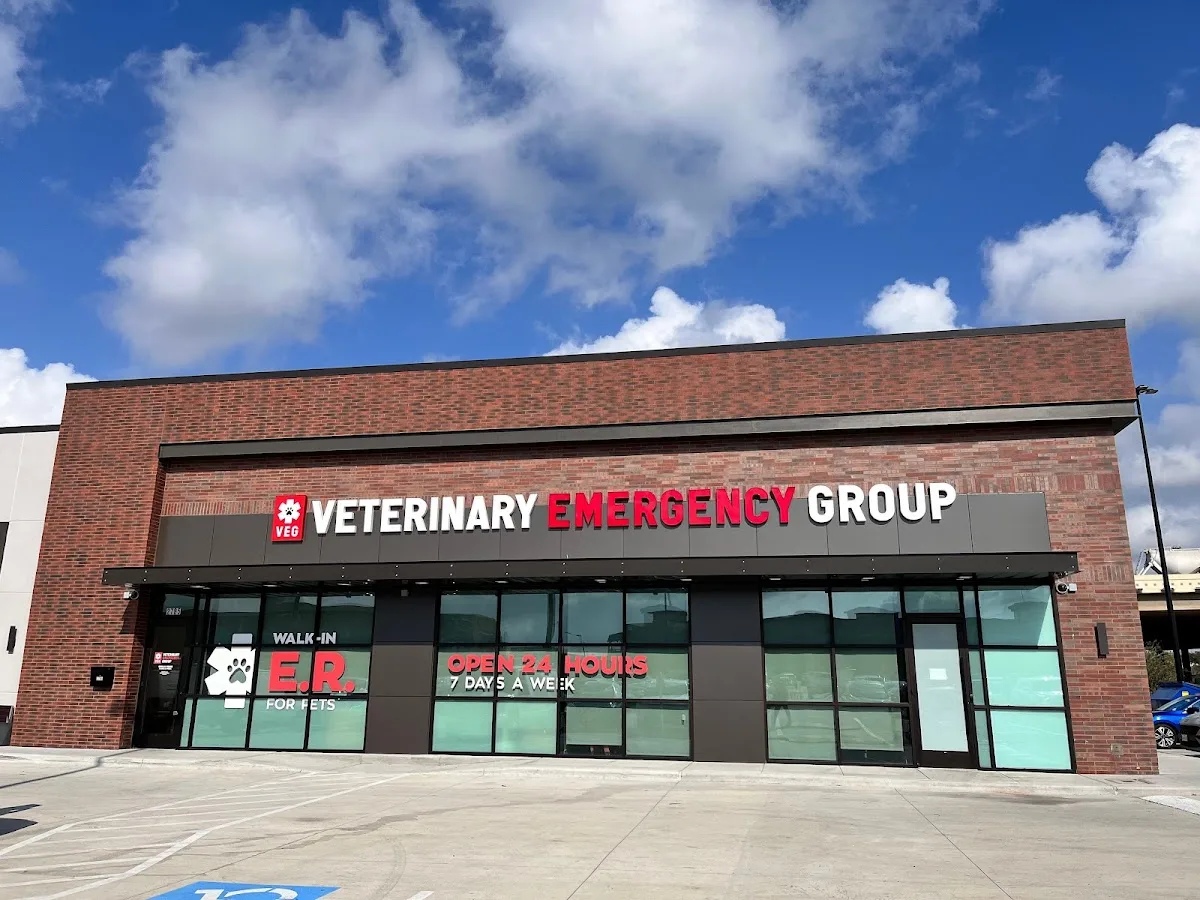
Before agreeing to an overnight veterinary hospital stay, make sure you understand its purpose, the plan for observing your pet, how decisions will be made if the situation changes, and what the estimate includes. These details turn a broad recommendation for hospitalization into a plan you can follow and discuss.
Clarify what the overnight stay is meant to accomplish
Ask the veterinary team to connect hospitalization to the specific problem they are addressing. The goal might be to observe how a condition changes over time, perform planned tests, provide care that cannot be managed at home, or stabilize your pet while the team gathers more information. You do not need to choose the clinical plan yourself; you do need to understand what the team expects the stay to answer.
Then ask what decisions may be made by morning. Which findings would support continuing the current plan, and what changes could lead to additional testing or a different level of care? If a transfer to another facility is one possible route, ask what circumstances could prompt that discussion and how you would be involved. A concrete explanation helps distinguish the expected overnight plan from contingencies that may change it.
For example, if the team expects to reassess a pet after a test or period of observation, ask when that reassessment is likely and what result would matter. This gives you a useful frame for an update: not simply whether the pet is “better,” but what information has arrived and how it affects the next decision.
Turn “monitoring” into a specific overnight plan
Monitoring is more informative when you know what the team is watching and how observations connect to action. Ask which signs or measurements matter for your pet, how often staff expect to check them, and what change would lead to an intervention or a call to you. The details will depend on the reason for admission, so ask the care team to explain the plan in terms of your animal’s current needs.
Staff presence answers who is in the hospital; it does not describe the monitoring plan or who can authorize a change in care. Ask which clinician is responsible overnight.
It can also help to ask what information the team wants from you before you leave. Share relevant changes you have noticed and details that may help them understand your pet’s usual behavior.
Set cost and approval expectations before care proceeds
Request an itemized estimate or a clear written breakdown of the expected stay. Ask which anticipated charges relate to hospitalization, tests, treatments, or other planned services, and which parts are estimates that could change as new information becomes available. The aim is to understand the scope of the proposal, not to assume that every possible service will be needed.
Next, agree on the decision points. Ask which spending or treatment choices require your approval before they proceed. This makes the financial scope of the plan clearer if new information changes the proposed care.
If your budget sets a firm limit, say so plainly and ask the veterinary team to explain which parts of the proposed plan are essential now, which are alternatives, and what trade-offs each option carries. This keeps the discussion focused on informed choices rather than an estimate viewed without context.
Arrange updates and a usable handoff home
Before leaving, agree on a reasonable time or event for the next update, such as after a planned reassessment, and confirm the best number to reach you. Ask whom to contact if your availability changes. A specific communication arrangement is easier to rely on than waiting without knowing when the team expects to call.
Discharge is a handoff, not just the end of the hospital stay. Ask for written instructions that identify medications and how they are to be given, feeding and activity guidance, follow-up timing, and the changes that should prompt a call or return visit. Have the team explain any unfamiliar terms and make sure you know which veterinarian or clinic is responsible for follow-up. If more than one provider is involved, ask who will receive the hospital record and test results.
In Billings, Best Friend's Animal Hospital: Stricker-Ward Heidi DVM is one local animal hospital.