When You Need Emergency Care in Honolulu
Veterinary Emergency + Referral Center of Hawaii is an emergency and referral veterinary hospital in Honolulu, Hawaii. For pet owners dealing with sudden illness, injury, or symptoms that are rapidly worsening, an emergency hospital can be the fastest step for triage, stabilization, and next-level care when needed.
Before You Arrive: Quick Checklist
Emergency visits often move through triage first, so having key details ready can support faster decisions. Consider bringing:
- Vaccination records and any prior discharge paperwork
- A list of current medications and supplements (with photos of labels if needed)
- Notes on when symptoms started and how they have changed
- Information about possible exposures (plants, chemicals, spoiled food, unknown ingestion)
- Any known allergies or past medication reactions
When possible, use a secure carrier and bring a leash or harness for safe handling.
What Usually Happens at an Emergency + Referral Hospital
Emergency facilities typically prioritize cases based on urgency. After check-in, staff generally perform triage to assess critical needs such as breathing, circulation, pain level, hydration, and neurologic status. Based on the first evaluation, the team may recommend stabilization, diagnostics, or referral-level treatment on-site.
Because emergency conditions can evolve quickly, the plan may change as new information becomes available during the visit.
Common Reasons Pet Owners Seek Emergency Care
While each case is different, emergency veterinary visits often involve:
- Trauma or injuries
- Severe vomiting or diarrhea
- Suspected toxin exposure
- Difficulty breathing or signs of respiratory distress
- Severe pain, collapse, or inability to stand
If symptoms are worsening, it is generally safer to treat the situation as urgent.
Diagnostics and Treatment Support
Emergency and referral hospitals commonly use a combination of diagnostics and supportive care. Depending on the pet’s condition, that may include:
- On-site examinations
- In-house testing and lab work
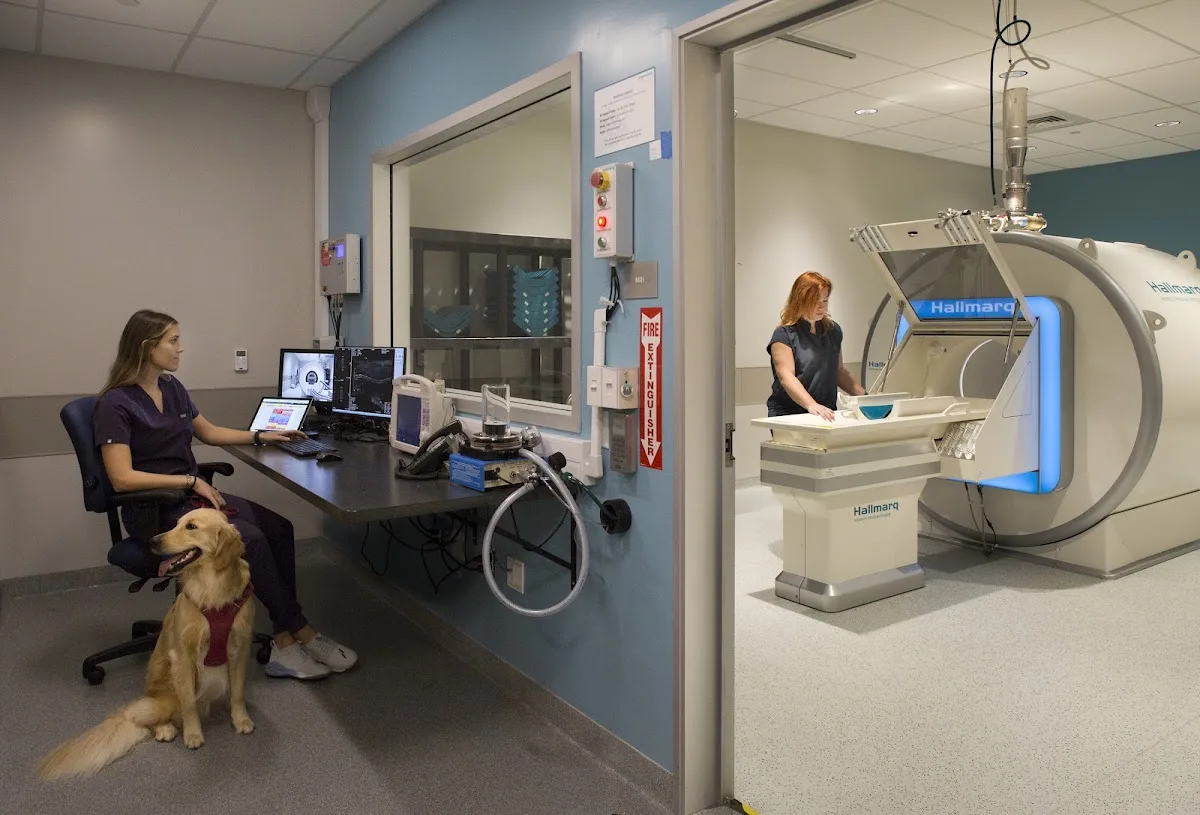
- Imaging or ultrasound when indicated
- IV fluids, oxygen support, and hospitalization
- Pain management and other stabilization steps
For ongoing or complex needs, referral-level capabilities can help the team move from first assessment to treatment planning more quickly.
Questions That Help During an Urgent Visit
When time is limited, clear questions can help you understand the priorities. Consider asking:
- What is the biggest immediate risk for my pet right now?
- What diagnostics will happen first, and what are the goals?
- What treatment options are available for stabilization and pain control?
- What signs should be monitored, and how soon should those improve?
- What aftercare steps are recommended if discharge is planned?
Plan for Aftercare
After stabilization, recovery depends on the diagnosis and how the pet responds to treatment. Discharge instructions often include medication schedules, monitoring guidance, and follow-up recommendations. Keeping a simple checklist for dosing times, activity limits, and appetite expectations can support smoother recovery at home.
Where to Find Veterinary Emergency + Referral Center of Hawaii
Veterinary Emergency + Referral Center of Hawaii is located at 345 N Nimitz Hwy C, Honolulu, HI 96817. Having the address and phone number readily available helps reduce delays when every minute counts.