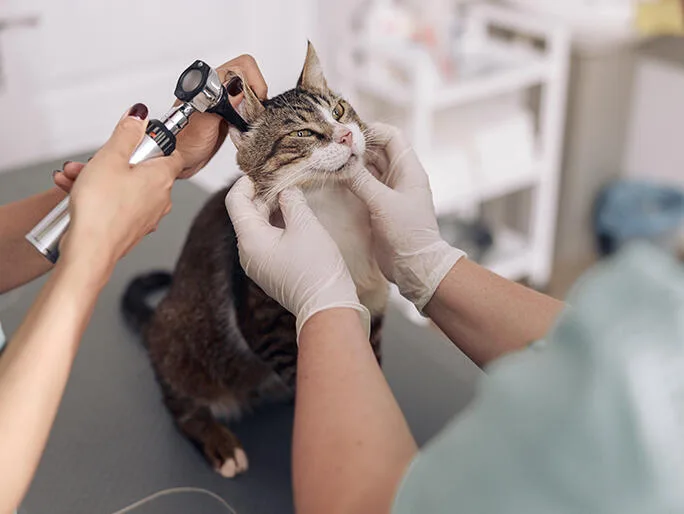
When you’re facing an unexpected illness or injury, the hardest part can be the decision itself: is this an emergency veterinary situation that needs immediate intake, or something you should wait to schedule? For pet owners near Williston, Vermont, Burlington Emergency & Veterinary Specialists (BEVS) is designed for 24/7 emergency care and triage when the situation is time-sensitive.
Because emergency medicine moves fast, your goal is not to “win” an argument on the phone—it’s to give the veterinary team enough clear details to triage your animal appropriately as you arrive.
Use the triage phone call to match your case to the right urgency
BEVS asks clients to call if they’re concerned or unsure whether their pet needs emergency care. That matters because emergency veterinary wait times can be extended during high-demand periods, and the hospital assesses pets as they arrive using triage priority levels—so the most critically injured or ill patients are prioritized first.
If you’re calling for help, focus on the timeline and current severity. Staff triage is easier when you can answer quickly: What changed most recently? Is your pet stable right now, or worsening? Any helpful specifics (for example, if vomiting started suddenly, if bleeding is uncontrolled, or if breathing sounds have changed) can help the team decide how urgently to prepare.
What “24/7 emergency care” means in practice
BEVS is open around the clock and reachable at (802) 863-2387. That doesn’t automatically mean every case will be seen the moment you walk in, but it does mean the hospital is operating on an emergency model—intake and triage come first, and care planning follows based on what the veterinary team observes on arrival.
In other words: calling ahead with the most urgent details you can share is often the best way to reduce uncertainty while you’re on the way.
Bring a “triage packet” so intake goes smoothly
Even when you’re worried, you can help the emergency veterinary team start faster by arriving with a small set of information. Consider packing a triage packet before you leave home:
- Medical history: known diagnoses, past surgeries, and any chronic conditions.
- Current medications: include drug names and doses if you know them.
- Allergies and past reactions: especially if your pet has had medication sensitivity.
- Recent records: if you have lab results, discharge papers, or visit notes, bring copies.
- What changed and when: the start time of symptoms and whether they’re improving or worsening.
This kind of preparation can be especially helpful at an emergency specialty hospital where the team may need to quickly match what they see with the right diagnostic and referral pathway.
Know BEVS’s specialty and referral scope before you arrive
BEVS describes itself as Vermont’s only specialty and 24/7 emergency animal hospital, with emergency and critical care plus advanced veterinary specialty and referral services. Their website lists services such as dentistry and oral surgery, internal medicine, neurology, ophthalmology, radioiodine therapy, and surgery.
That matters for decision-making: if your pet’s case is complex or you suspect it may need specialty-level evaluation, calling and sharing that concern early can help the team think about the most appropriate next steps.
A note about possible poison exposures
If your dog or cat has ingested something poisonous, BEVS recommends calling a veterinarian or the 24/7 Animal Poison Control Center at (855) 764-7661 for help immediately. In emergencies like these, information about the suspected substance and when ingestion occurred is often crucial.
How to decide you’ve got the right clinic for the case
If you’re looking at BEVS, confirm fit using a few practical questions when you call. You can ask whether they can accept your case and what they want you to bring. Because BEVS provides triage-based emergency intake, asking about what to expect on arrival can also help you plan your drive with less stress.
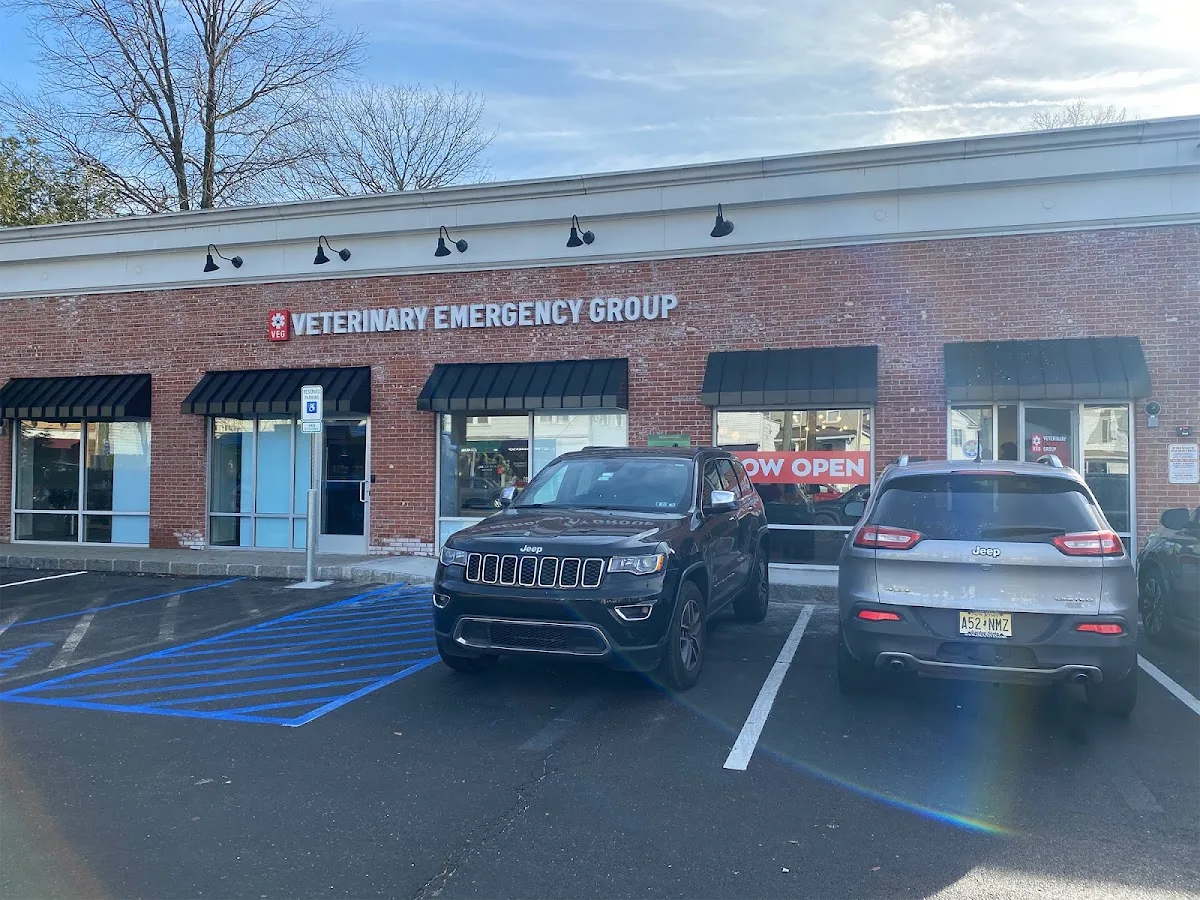
For reference, BEVS is located at 1417 Marshall Ave, Williston, VT 05495, and public information shows a 3.5 rating from 407 reviewers. Online ratings can’t replace what you experience in the moment, so treat them as background context—then rely on direct communication for your specific emergency.
When you call BEVS, bring your “triage packet,” be ready to describe the timeline and current severity, and ask for intake guidance. That combination gives the emergency veterinary team the best chance to triage your animal safely and move quickly toward the appropriate care path.