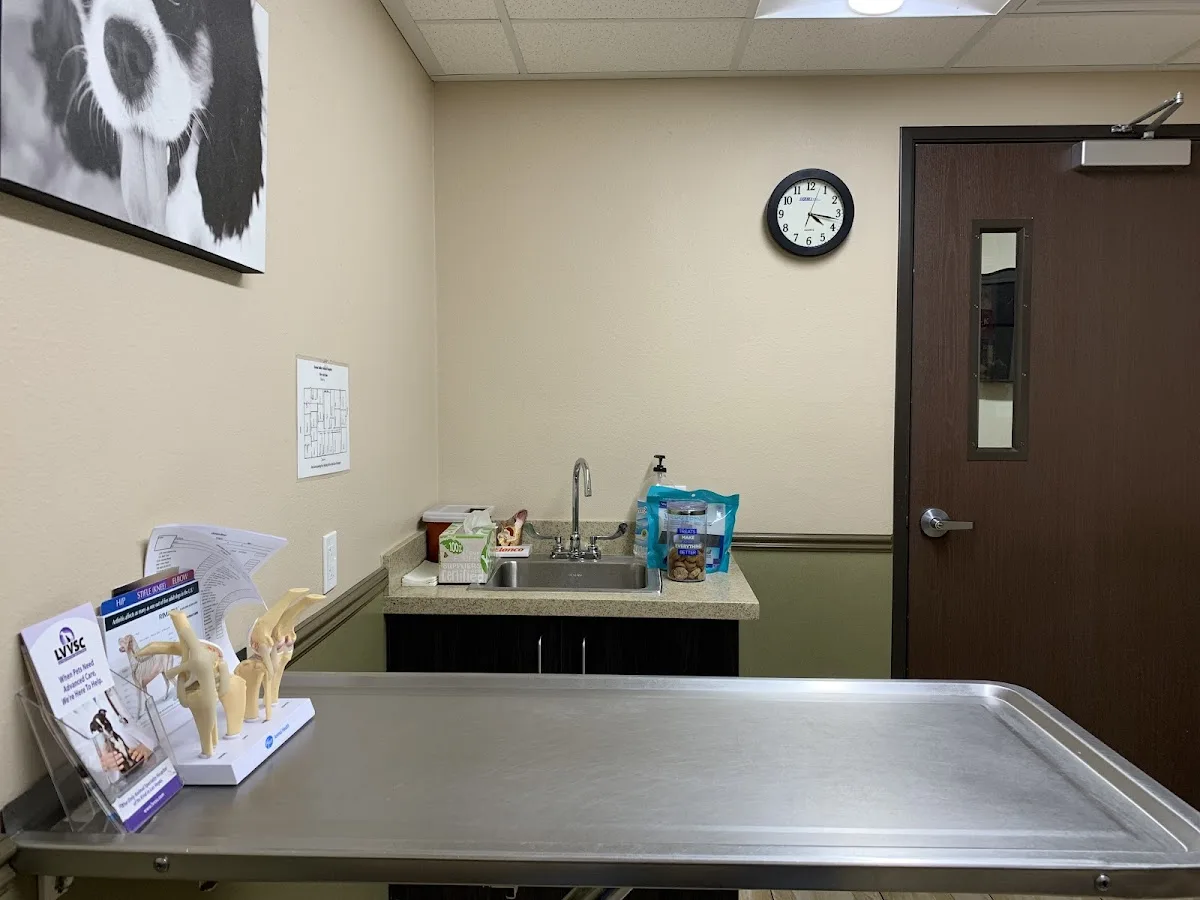
When an Emergency Happens: A Quick Plan for PET Emergency Treatment
Emergency veterinary care moves quickly, and preparation can reduce stress for both pets and people. PET Emergency Treatment in Anchorage, AK operates around the clock, making it a practical option when a sudden injury, illness, or worsening symptoms require immediate attention. The clinic’s process typically begins with triage, followed by care planning based on urgency, exam findings, and diagnostic results.
Before You Arrive: What to Bring
Gathering a few key items can help the team provide safer, faster decisions. If possible, bring:
- Your pet’s medical history (vaccination records, known diagnoses, medication list).
- Current medications and any supplements in their original containers.
- Notes on symptoms: when the problem started, any changes in breathing, appetite, energy, or behavior, and what you have already tried.
- Allergies or prior adverse reactions to medications.
- Familiar comfort items (a leash/harness, blanket, or carrier cover) to help reduce panic.
If you have a printed discharge summary from a recent visit or a photo of medication labels, that information can be especially helpful.
What to Expect on Arrival (Triage First)
At an emergency clinic, triage is designed to prioritize the most time-sensitive cases. After check-in, staff typically assess breathing, circulation, pain level, temperature, and overall responsiveness. Based on that first evaluation, the clinic may recommend immediate stabilization, diagnostics, or consultation with the on-site team.
Because emergencies vary widely, wait times can fluctuate depending on how many critical cases are actively being treated. Planning for the possibility of delays—while staying available to answer questions—can make the visit smoother.
Common Emergency Scenarios
While every case is unique, emergency veterinary visits often include:
- Trauma (falls, bites, car accidents, bleeding injuries)
- Sudden illness (repeated vomiting/diarrhea, severe lethargy, collapse)
- Toxin exposure (unknown ingestion, chemical exposure, medications meant for humans or other animals)
- Breathing distress (rapid breathing, open-mouth breathing, blue or pale gums)
- Severe pain (persistent crying, guarding, non-weight-bearing)
If symptoms are worsening, it is generally safer to treat the situation as urgent rather than waiting.
Diagnostics and Treatment: How the Decision Process Works
Emergency care often involves rapid evaluation and targeted testing to determine the next best step. Depending on the pet’s condition, the clinic may recommend:
- On-site examinations to assess hydration, neurologic status, and pain.
- Imaging or ultrasound to evaluate internal injuries or abnormalities.
- Laboratory testing to check organ function, infection risk, and blood counts.
- Supportive care such as IV fluids, pain management, oxygen support, and hospitalization.
Treatment plans may be adjusted as new information becomes available during the visit.
Questions to Ask During the Visit
When time is limited, clear questions help you understand the plan. Consider asking:
- What is the most immediate risk right now, and what is the priority order?
- What diagnostics will be done first, and why?
- What treatment options are available for pain and stabilization?
- What signs should be monitored, and what should trigger an immediate update?
- What follow-up care is recommended after discharge?
Aftercare: Planning for Recovery
After stabilization, recovery depends on the specific diagnosis and how your pet responds. The discharge plan often includes medication instructions, monitoring guidance, and follow-up recommendations. Keeping a simple checklist—medication schedule, activity limits, hydration guidance, and appetite expectations—can support smoother healing.
Where PET Emergency Treatment Is Located
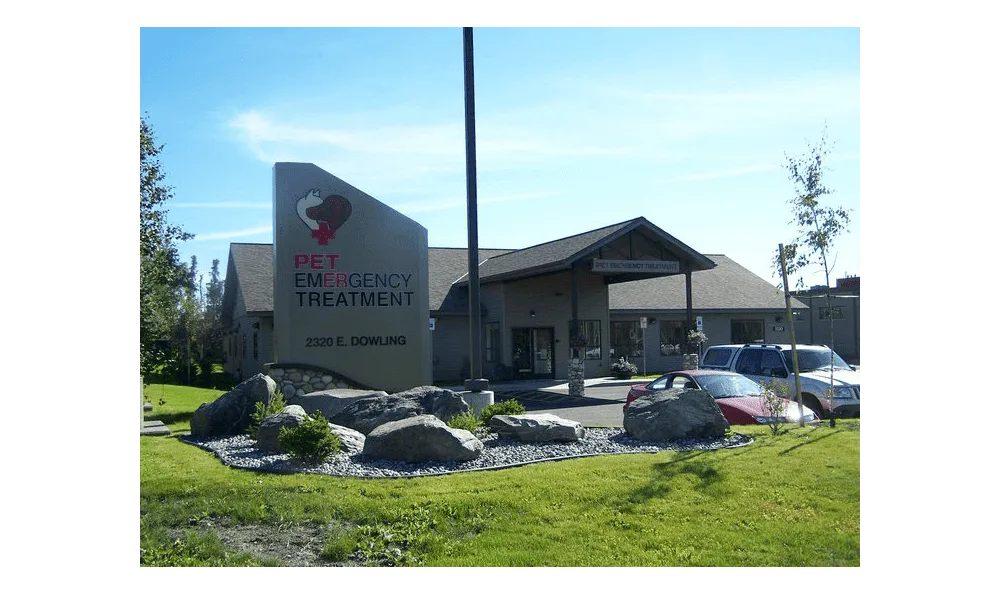
Located at 2320 E Dowling Rd in Anchorage, AK, PET Emergency Treatment serves the surrounding community with open-24-hours emergency veterinary care. Having the address and phone number readily available can reduce delays when every minute counts.