When an after-hours situation becomes an emergency
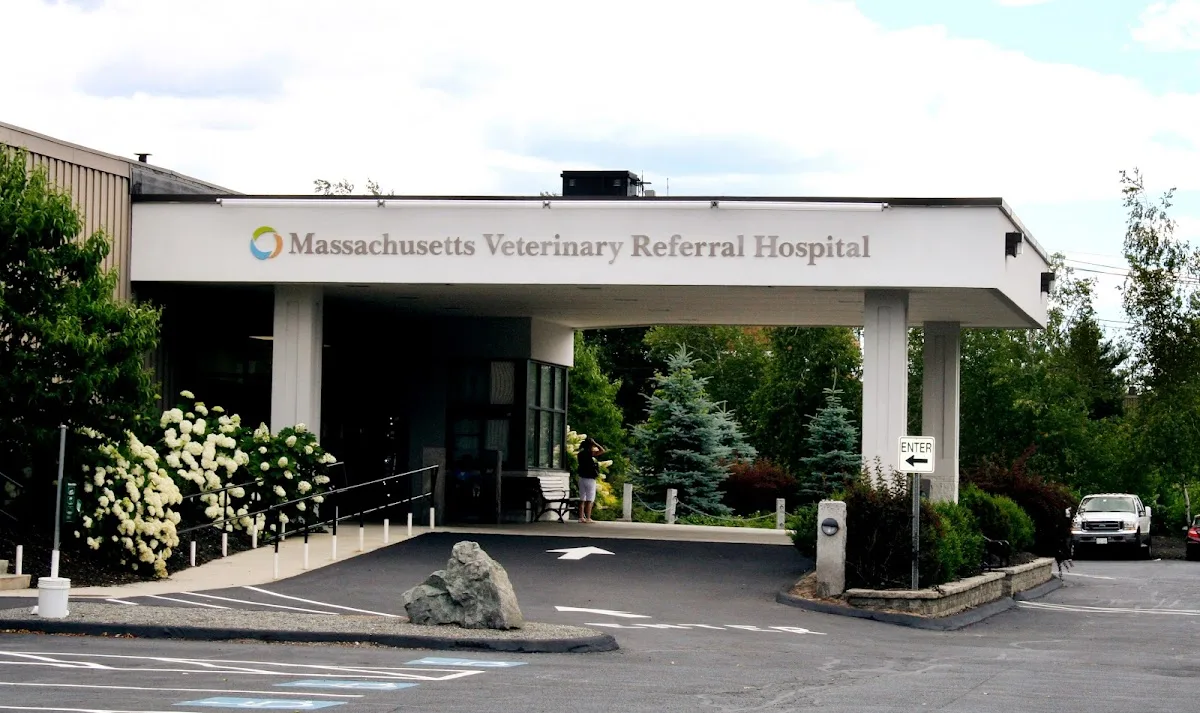
Not every concerning symptom is an emergency, but timing matters when a pet is unstable or worsening. Owners in the Boston/Woburn area typically consider 24-hour emergency care for situations such as labored breathing, repeated uncontrolled vomiting, active bleeding, seizures, sudden collapse, suspected poisoning, severe trauma, or a rapidly worsening abdominal problem. Massachusetts Veterinary Referral Hospital is set up for urgent triage and same-night evaluation when routine clinics are closed.
Should you go now or watch at home?
If a pet is having trouble breathing, cannot stand, has persistent severe pain, has seizures that continue or recur, has pale or blue gums, is bleeding heavily, or has swallowed something potentially toxic, waiting at home generally increases risk. Even when owners are unsure, calling the hospital can clarify whether immediate arrival is recommended.
For borderline cases—mild vomiting once, temporary restlessness, or a small wound that seems superficial—some guidance may be appropriate to decide between same-night evaluation and monitoring. In general, the safer approach is to seek help when symptoms are progressing, your pet is acting “not quite right,” or you cannot clearly identify and reverse the cause.
What to bring to triage (and why)
Preparing a quick packet of information can reduce delays after arrival. Bring:
- Vaccination records if available
- Current medications and the name/dose of each
- A brief timeline (when symptoms started, what changed, and any home treatments tried)
- Anything the pet may have accessed (the product container, plant name, or a photo of packaging)
- Results of any prior testing or referral notes, if the case is complex
If your pet requires a specialty diet, bring enough for the next 24 hours. For transport, keep restraint safe and minimize stress—do not give medications unless your veterinarian has instructed you to do so, especially in suspected toxin or overdose cases.
How emergency triage and exam typically work
Emergency hospitals usually prioritize cases based on stability. During triage, staff may check vital signs, pain level, hydration status, breathing effort, and overall mentation. For unstable pets, stabilization comes first—examples can include oxygen support for breathing compromise, IV fluids for dehydration or shock, pain control, and stopping active bleeding.
After initial stabilization, clinicians commonly perform a focused physical exam and decide on diagnostics based on the complaint and risk level. Common emergency diagnostics can include bloodwork, urinalysis, imaging (such as X-rays), and in some cases ultrasound or additional tests when indicated.
The exact testing plan depends on species, age, symptoms, and how the pet responds to early treatment. Owners can ask what the immediate priorities are and whether any tests are time-sensitive.

Diagnostics, treatment, and monitoring: what owners can ask about
Many after-hours emergencies require more than one step. After the initial exam, the hospital team may:
- Recheck vital signs frequently to confirm stabilization
- Use diagnostics to identify reversible causes (infection, organ dysfunction, obstruction, trauma-related injuries)
- Start supportive care (IV fluids, anti-nausea medication, pain management)
- Escalate treatment when symptoms do not improve as expected
Owners can ask:
- What is the most likely cause based on the current exam?
- Which findings change decisions right now?
- What are the next 1–2 steps, and how will the team decide what to do if the pet worsens?
- What monitoring is planned during treatment and for reassessment?
For safety, emergency treatment plans may be adjusted as new information becomes available. That can include updating priorities if a diagnostic result points to a different cause or if the pet’s condition changes.
Cost expectations and payment planning
Emergency care can involve multiple components—triage, exam, diagnostics, medications, and sometimes hospitalization or procedures. Costs vary based on severity, test selection, and how long treatment is needed. Owners can reduce stress by asking for an estimate or discussing financial options at arrival.
Because emergency visits can escalate quickly, it is reasonable to ask whether the team can:
- Explain the main cost drivers (tests, imaging, monitoring, procedures)
- Provide a range rather than a single fixed number
- Prioritize stabilization and “must-do” steps first if decisions are needed
In general, having a payment method ready before arrival prevent delays in urgent care. If you have pet insurance or a financing option, ask how claims or billing can be handled for emergency services.

After the visit: discharge instructions and next steps
Once the immediate risks are addressed, discharge plans typically focus on preventing relapse and clarifying what to watch for at home. Owners should review medication instructions, feeding guidance, activity limits, and when to return. If a pet goes home with ongoing symptoms, owners should know whether the situation should improve within a specific timeframe.
When a referral or follow-up is recommended, bring discharge paperwork to the next appointment. For owners who live in the broader Boston area, having the plan written down helps during stressful after-hours recovery.
Reliable reference points for emergency decision-making
For pet owners evaluating urgent symptoms, veterinary organizations generally emphasize that severe breathing difficulty, persistent vomiting, seizures, heavy bleeding, and suspected toxin ingestion warrant prompt evaluation. Clinical decision-making is based on stability and risk, which is why triage and rechecks are central to emergency care.
This article is educational and not a substitute for individualized medical advice. For any emergency, contacting a 24-hour hospital directly is the fastest way to determine whether your pet should be seen immediately.
Helpful resources: AVMA guidance on emergencies and toxicities; ACVECC and specialty emergency education materials for owners.