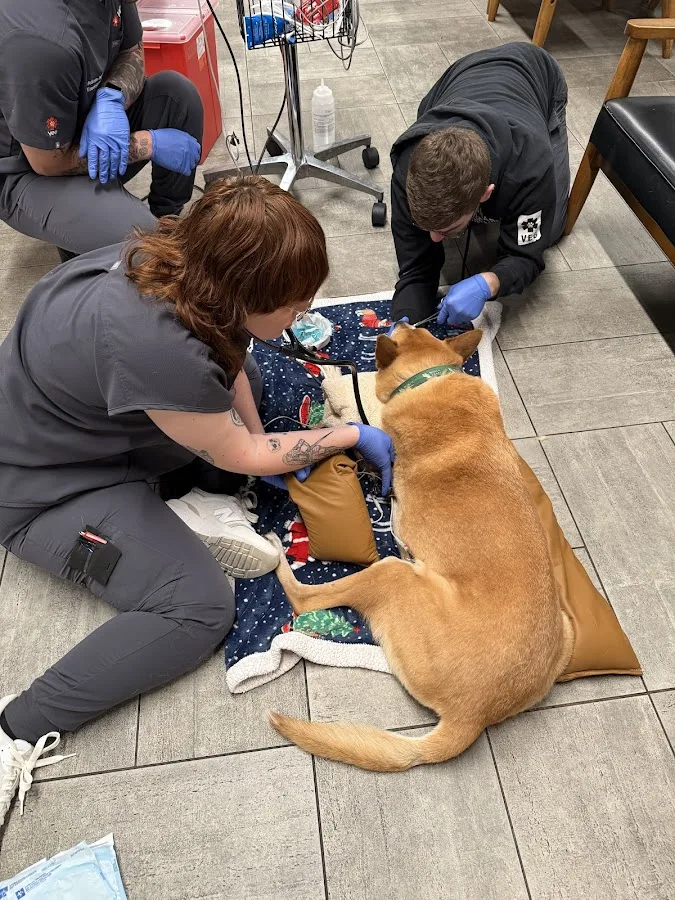
When a situation is an emergency
Emergency veterinary care is intended for patients whose condition can worsen quickly. Consider urgent evaluation if a dog, cat, or other small pet has signs such as labored breathing, repeated unsuccessful attempts to vomit, uncontrolled bleeding, collapse or extreme weakness, seizures, or sudden inability to urinate. If a pet is struck by a vehicle, is showing severe pain, or has a potentially toxic exposure with ongoing symptoms, waiting for a standard appointment can be risky.
In many emergency settings, staff use phone triage to help prioritize cases based on severity. Rae Clark DVM is listed as an independent emergency veterinary option in Syracuse, which makes confirming current hours and what they can handle especially important before travel. When symptoms are rapidly changing or life-threatening, plan to seek immediate in-person care.
Calling first: how triage questions help
Before leaving home, caregivers are often asked about a pet’s current status and timeline. Expect questions about when symptoms started, whether the pet can stand and respond normally, whether breathing is difficult, and what medications or toxins may be involved. If there is vomiting, diarrhea, bleeding, or altered consciousness, be ready to describe frequency and any visible blood, color changes, or unusual odors.
Phone triage can also help the clinic estimate whether the patient should arrive right away versus whether there may be time to manage minor issues while awaiting evaluation. Bring the pet’s medical history to reduce delays once the case is in the exam area.
What to bring to the appointment
Emergency visits move faster when caregivers arrive organized. A short checklist can reduce stress:
- Any prior records you have: discharge papers, lab results, imaging reports, or recent vaccination records
- A list of medications, supplements, and doses
- Information about the event: what the pet ate or chewed, approximate amount, and the time of exposure
- Notes on symptoms: when they started, whether they improve or worsen, and how often they occur
- Identification and a secure carrier for safe transport
If paperwork is not available, being able to describe the most recent diagnosis, current medications, and symptom timeline can still help the team start with appropriate priorities.
What triage, exam, and diagnostics typically include
Emergency triage generally starts with a quick assessment of stability. Staff often check breathing, circulation, hydration status, temperature, mentation, and pain level. The goal is to determine whether immediate life-saving steps are needed while diagnostics are arranged.
Depending on the presenting complaint, common next steps may include:
- Physical exam the body system involved (respiratory, gastrointestinal, neurologic, urinary, trauma)
- Bloodwork and electrolyte testing to evaluate dehydration, organ function, and critical imbalances
- Urinalysis when urination changes or dehydration is suspected
- Imaging such as radiographs to assess trauma, aspiration concerns, abdominal distension, or foreign body risk
- Oxygen support or fluid therapy when indicated by exam findings
The exact sequence varies by patient and clinic resources, but the structure is usually consistent: stabilize if needed, confirm the suspected problem, then start treatment while keeping caregivers informed.
Cost and payment planning for emergency care
Emergency veterinary care can involve multiple components—exam time, diagnostics, medications, and procedures—so costs can vary widely. Caregivers can reduce uncertainty by asking for a range based on the most likely differential diagnoses and the diagnostics needed to clarify them.
If payment planning options are available, it is usually helpful to ask about accepted methods and whether financing programs can be used. When time allows, requesting an estimate before higher-cost interventions families make informed decisions while the patient’s condition is addressed.
About Rae Clark DVM and how to use this guide
Rae Clark DVM is listed in Syracuse, New York at 5092 Velasko Rd and is described as an independent emergency veterinary option. For emergencies, that independence can mean case-by-case decisions depending on staffing and real-time priorities. Before driving, confirm current hours and what services are available for the specific concern.
This guide is meant to help caregivers prepare for a fast, triage-based visit: recognize emergency signs, gather medical information, and expect stabilization and targeted diagnostics. If symptoms are severe, rapidly worsening, or accompanied by collapse, breathing difficulty, or uncontrolled bleeding, prompt in-person evaluation is the safest choice.