What to Do When Emergency Care Becomes Necessary
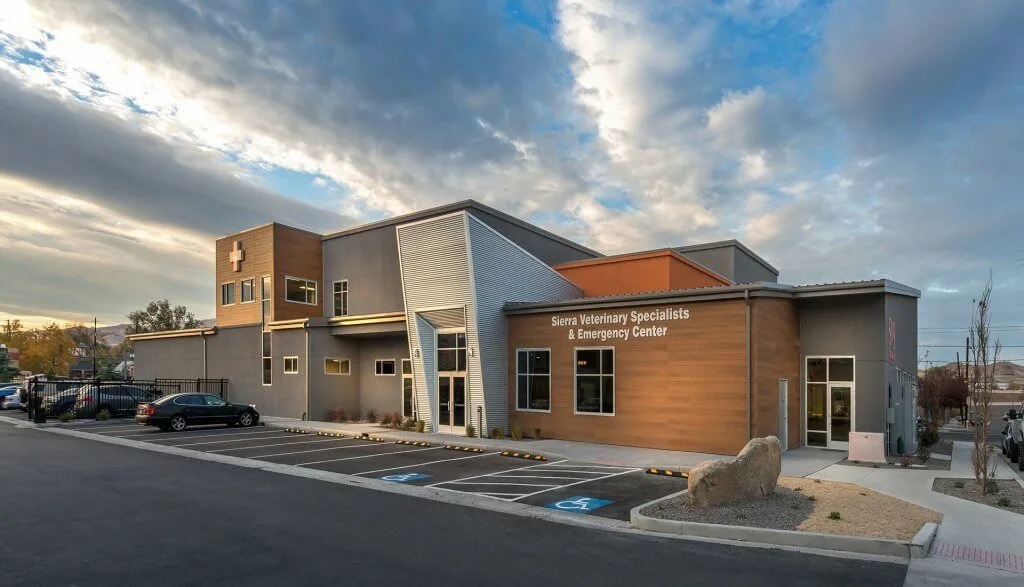
BluePearl Pet Hospital in Reno, Nevada is an emergency veterinary hospital designed for urgent situations where symptoms can change quickly. For pet owners, the most useful preparation is knowing what information to share and how emergency triage generally works, so the team can focus on stabilizing the most urgent needs first.
Before You Arrive: A Quick Checklist
Having details ready can help staff triage faster and make clearer recommendations. When possible, bring:
- Medical records such as vaccination history or recent discharge papers.
- A medication list including supplements and current dosages (photos of bottle labels are fine).
- A timeline of symptoms including when signs started and what has changed.
- Known allergies or past adverse reactions to medications.
- Exposure information such as suspected toxin ingestion, chemical contact, or unusual foods.
For safer handling, use a carrier for small pets and keep dogs leashed for transport to the exam area.
How Emergency Triage Typically Works
Emergency hospitals commonly begin with triage, which is built to prioritize the most time-sensitive cases. After check-in, staff generally assess breathing, circulation, hydration status, pain level, and overall responsiveness. Based on that first evaluation, the team may recommend immediate stabilization, diagnostic testing, or hospitalization—depending on urgency.
Because emergencies evolve, the treatment plan can update as new exam and test findings become available.
Emergency Situations Commonly Treated
While each case is different, pet owners often seek emergency care for:
- Trauma, including falls, bites, or injuries with bleeding or swelling.
- Sudden illness, such as severe vomiting or diarrhea, collapse, or extreme lethargy.
- Toxin or ingestion concerns when the substance is unknown or dangerous.
- Respiratory distress, including rapid breathing or open-mouth breathing.
- Severe pain or inability to stand.
If symptoms are worsening, prompt evaluation is typically the safest approach.
Diagnostics and Treatment Support
Emergency and critical-care hospitals often use a combination of diagnostics and supportive treatment to guide next steps. Depending on the pet’s condition, this can include in-clinic examination, in-house lab work, imaging when indicated, and supportive care such as IV fluids, oxygen support, and pain management. When monitoring is needed, hospitalization may be recommended.
Helpful Questions to Ask During the Visit
When time is limited, focused questions can help you understand priorities and decisions. Consider asking:
- What is the biggest immediate risk, and what is the priority order of care?
- Which diagnostics will happen first, and what is the goal of each test?
- What treatment steps are happening now to stabilize my pet?
- What signs should I monitor, and when should I contact the clinic again?
- If discharge is planned, what aftercare is required at home?
Aftercare: Planning for Recovery at Home
After stabilization, recovery depends on the specific diagnosis and how the pet responds to initial treatment. Discharge instructions often include medication directions, monitoring guidance, and follow-up timing. Keeping a simple checklist—dosing times, activity limits, hydration guidance, and warning signs—can support smoother recovery.
Where BluePearl Pet Hospital Is Located
BluePearl Pet Hospital is located at 555 Morrill Ave, Reno, NV 89512. Having the address available can help reduce delays during urgent situations.