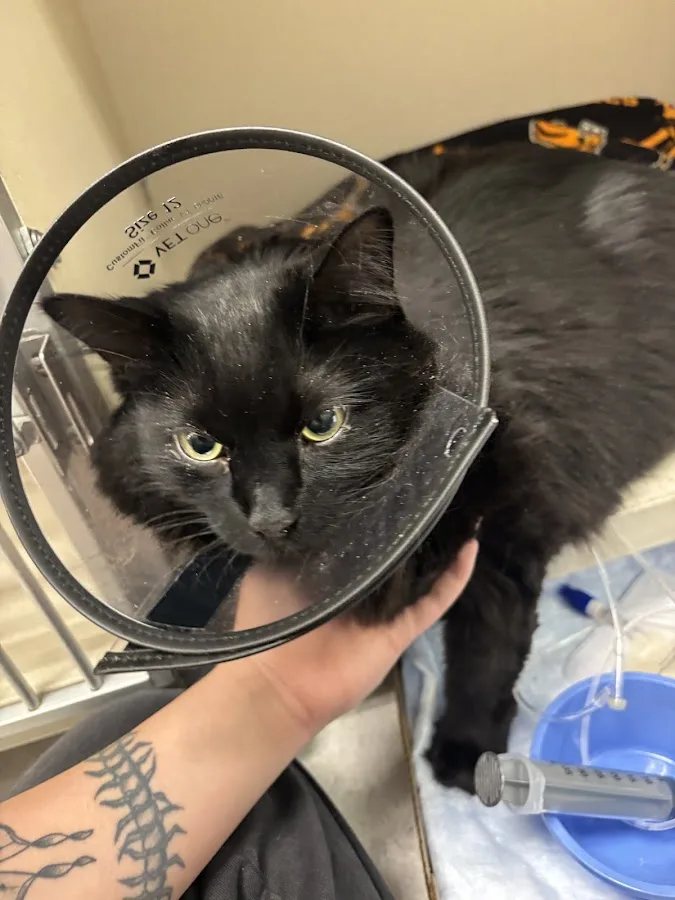
Veterinary Emergency Group, 24/7 in Denver
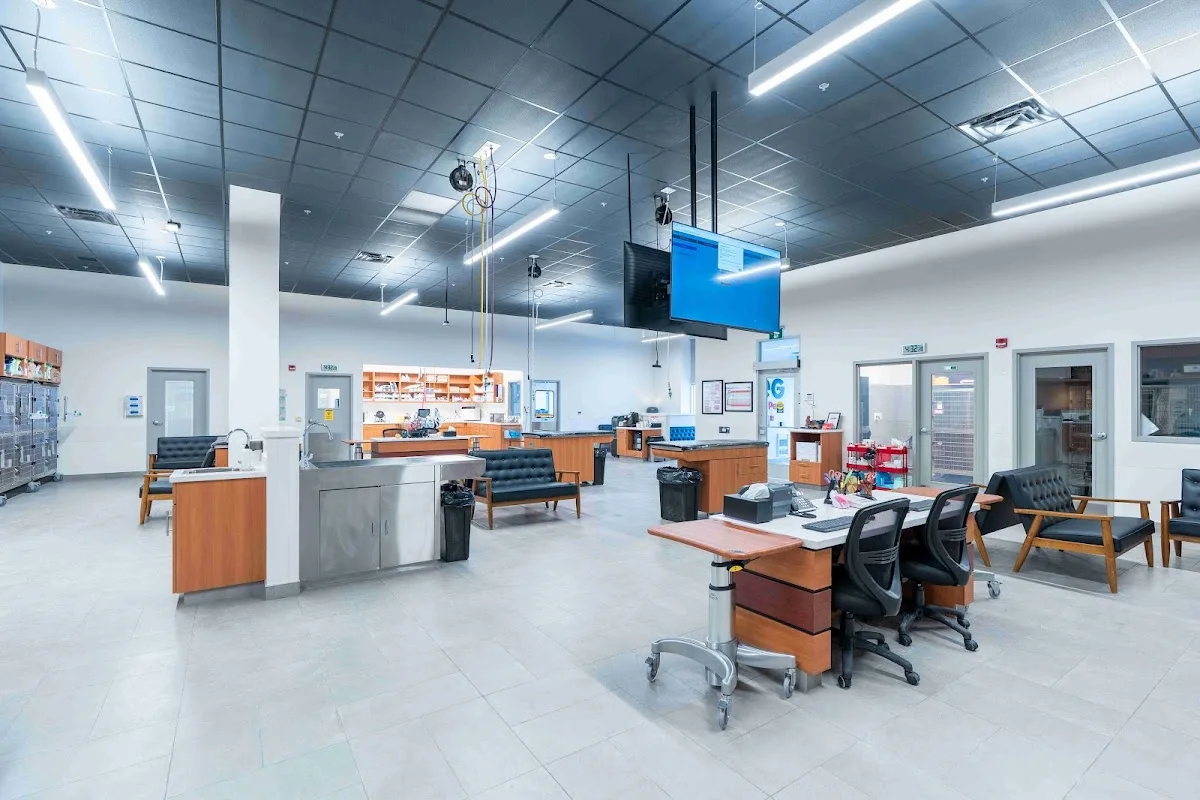
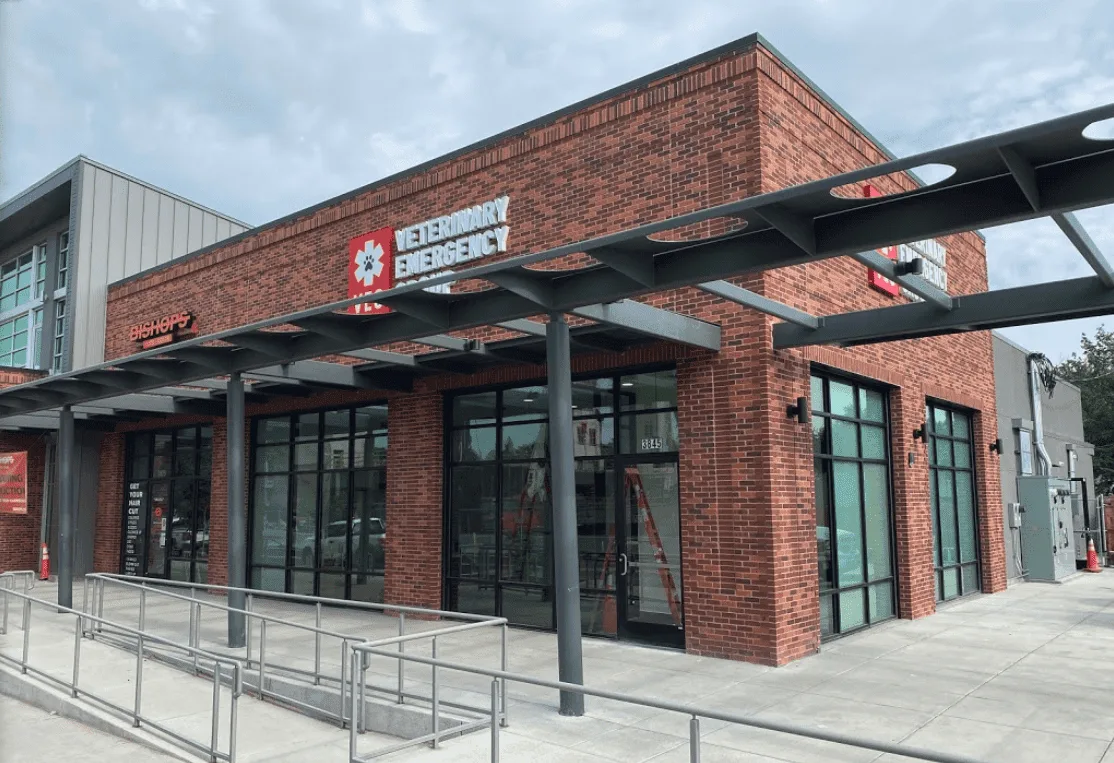
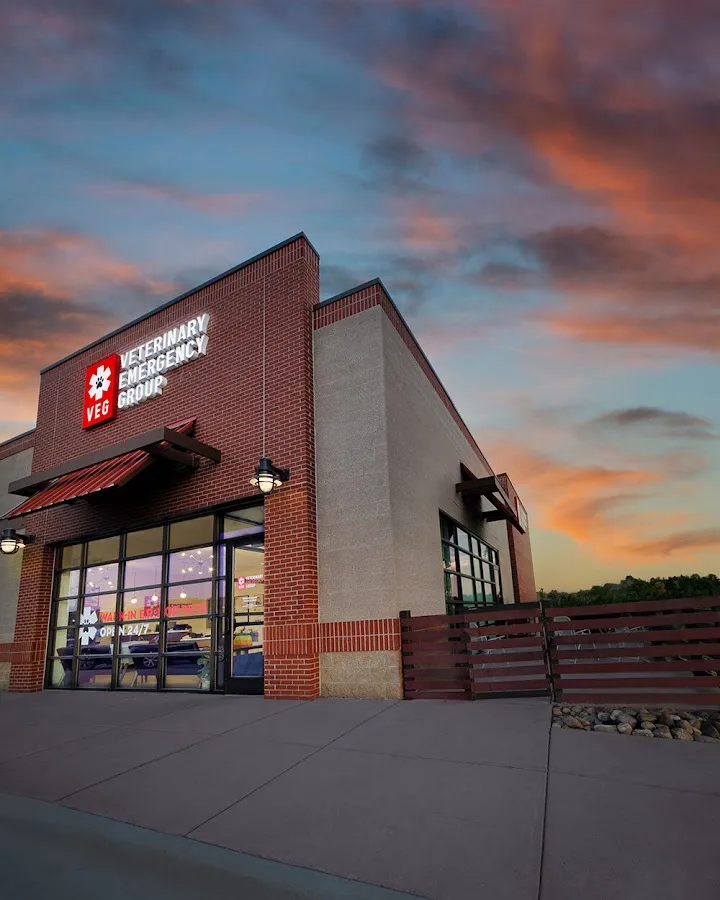
Veterinary Emergency Group lists 24-hour emergency availability and provides a direct phone line, (720) 996-1200, for urgent questions. Located in Denver, CO at 5485 W 20th Ave (Edgewater), this is the kind of clinic pet owners look for when a problem can’t wait for weekday hours. For round-the-clock cases, the practical goal is quick intake and stabilization, then the right next step based on what your pet needs.
Denver emergency vet context
In Denver, emergency demand often clusters around evenings, weekends, and sudden situations—things like breathing trouble, serious vomiting or diarrhea, suspected poisoning, injuries from falls, and worsening illness that started “small” but escalated. Because many neighborhoods have to bridge the gap between regular veterinary hours and true emergencies, an open-24/7 facility becomes a common search target when symptoms are time-sensitive. If you’re in Denver and time feels urgent, calling ahead can help you match your pet’s needs to the right intake process.
The Veterinary Emergency Group network here
Veterinary Emergency Group is a branded network, and a network affiliation typically points to consistent intake workflows and referral patterns. In many cases, these locations coordinate care within the system and may connect you with follow-up options depending on findings and treatment needs. For Denver pet owners, choosing this kind of network location over a non-affiliated emergency clinic usually comes down to how predictable the intake process is and how referrals and next steps are handled. When in doubt, ask what happens after stabilization.
After-hours intake, including overnight visits
This hospital is set up for round-the-clock emergencies, which generally means they take calls and evaluate arriving patients at any hour. Policies can vary, so it helps to call if you can—especially if you’re heading in at 3 a.m. If you arrive without calling, be ready for your pet to be triaged on arrival and for staff to ask focused questions about symptoms, timing, and current medications. For sudden deterioration, prioritize getting there promptly.
Reception signal from the published rating
Veterinary Emergency Group shows a public rating of 4.8 across 890 reviews. In general, a rating in this range suggests patients and clients report consistent experiences with core parts of the visit, such as front-desk handling, communication during stressful moments, and how people feel about the value of the care they received. It doesn’t replace calling to ask current policies, but it can be a useful checkpoint as you decide where to go.
Reviewer pattern and what 890 reviews can tell you
Because there are 890 public reviews, you have more than a handful of perspectives to draw from when you compare options. That volume can help readers see patterns that repeat across visits, rather than relying on a single experience. For emergency planning, it can also help you form realistic expectations about what parts of the process tend to run smoothly and what may require patience, since emergencies create variable case complexity.
Before visiting: quick practical checklist
If you can, call Veterinary Emergency Group before you leave so you can describe symptoms and ask about intake steps at your expected arrival time. Bring any records you have, including vaccination history, current medications, and details on when signs started. If possible, also be ready to discuss payment options on arrival and bring a method of payment you can access quickly. For toxic exposures or accidents, note substances or products involved.