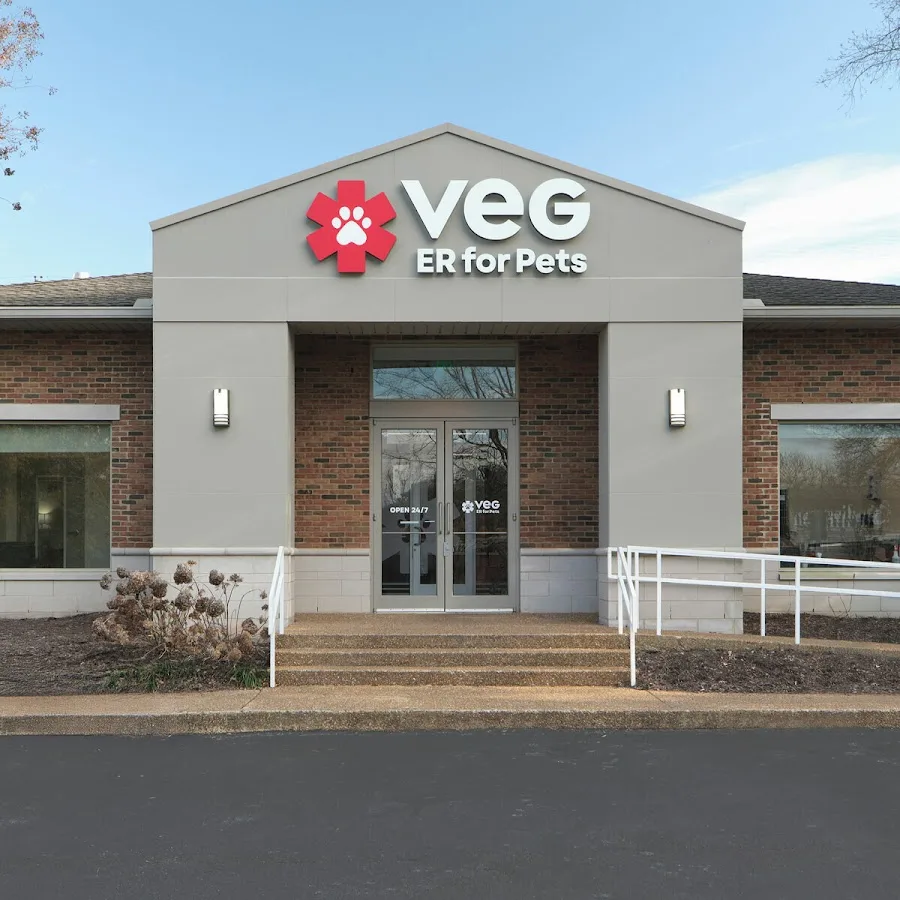
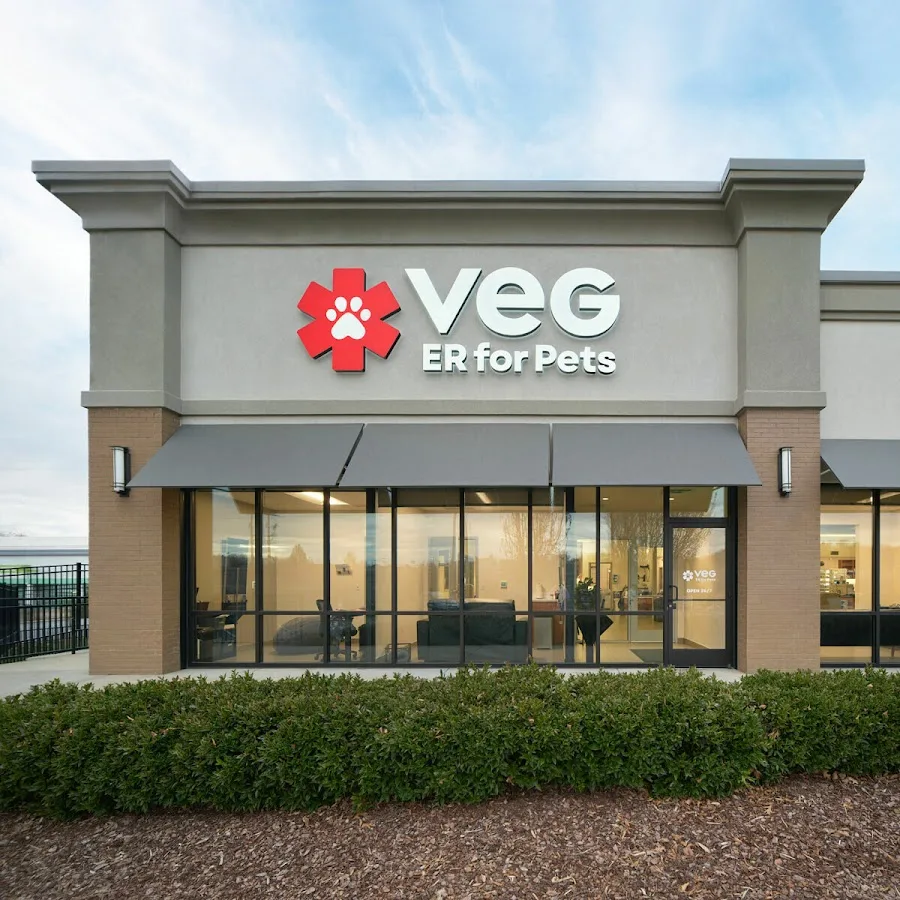
Veterinary Care and Specialty Group in Chattanooga, TN
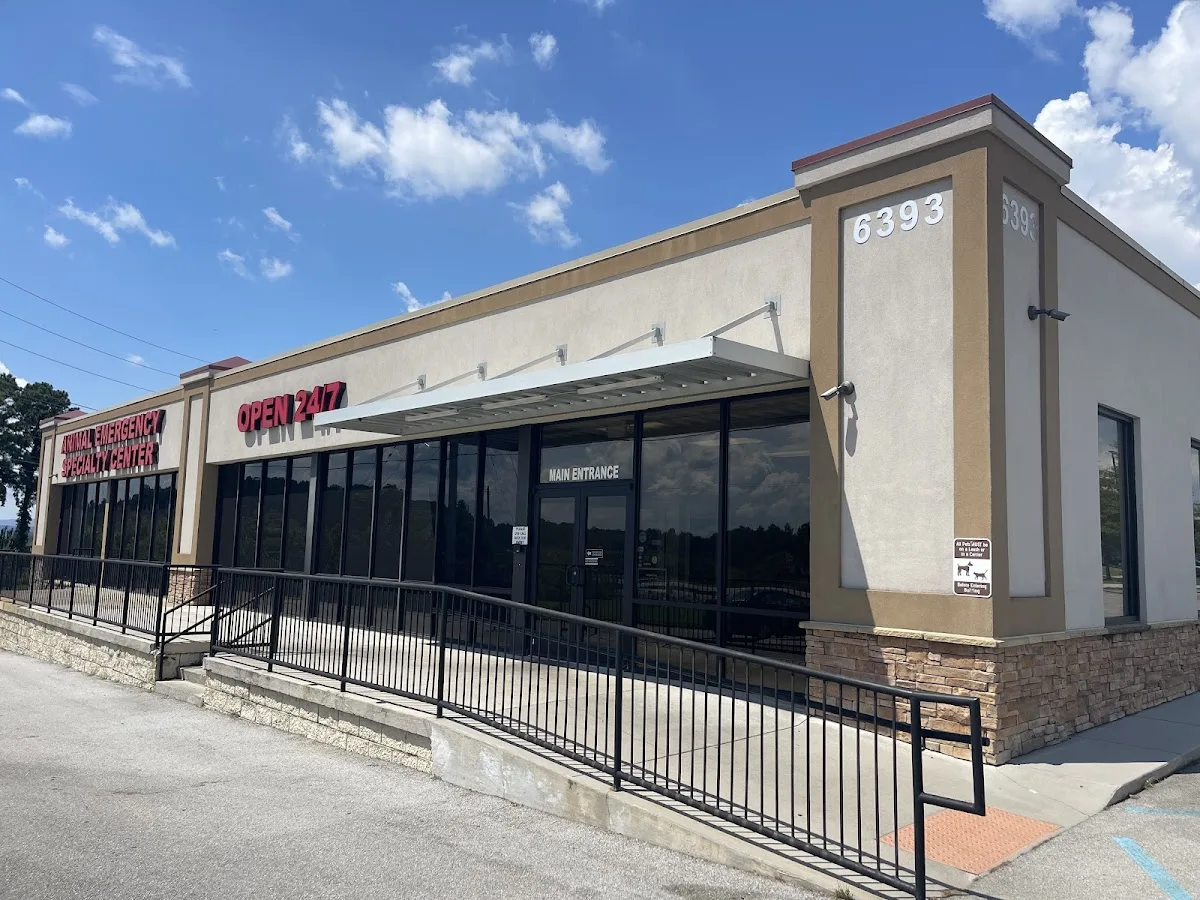
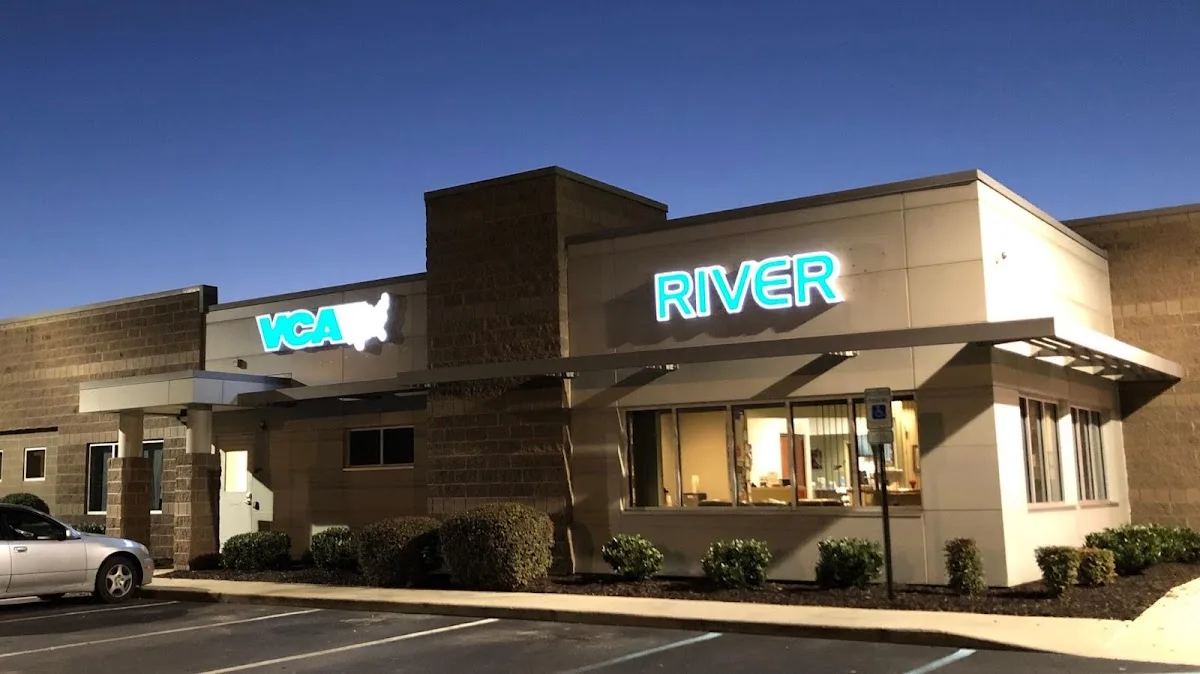
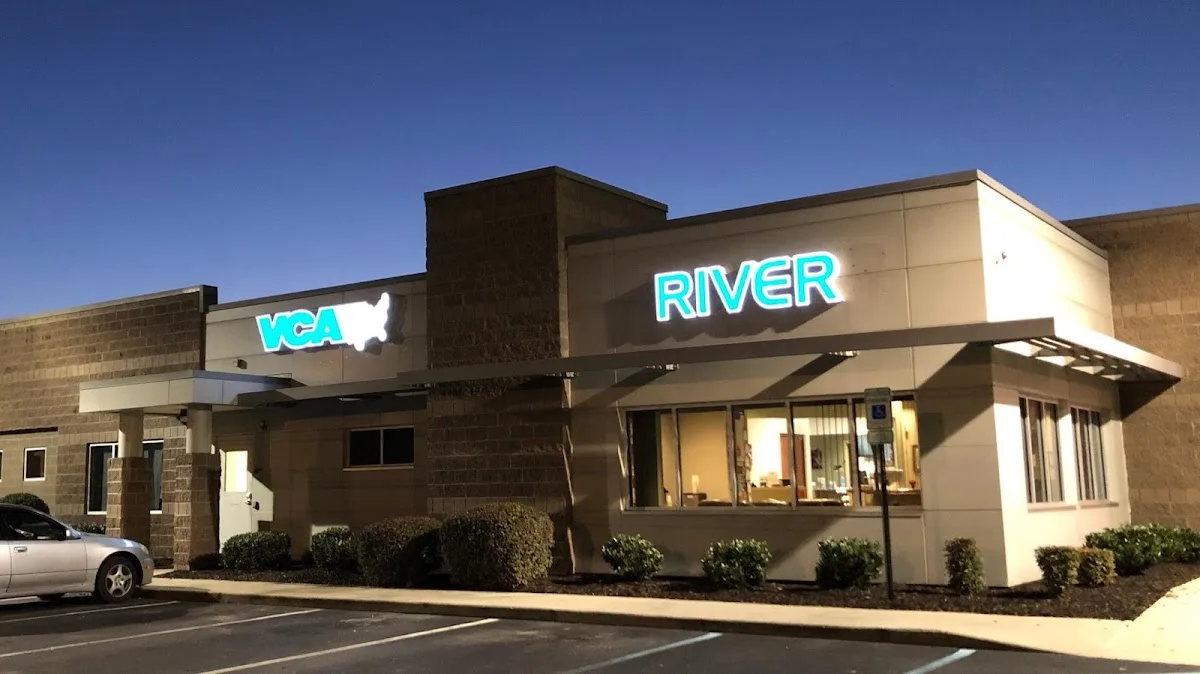
Veterinary Care and Specialty Group is documented as operating 24 hours, serving pet emergencies in Chattanooga, Tennessee. As a specialty + emergency hospital, it’s set up for urgent cases that may also need specialist-level input. If you’re searching in the Chattanooga area, this kind of facility can be a practical option when symptoms are time-sensitive and you want care that can cover both emergency stabilization and specialty referral needs in one place. For the latest on services and intake, call (423) 591-0270.
Chattanooga emergency vet context
In Chattanooga, an emergency hospital is often the place people look when a pet’s condition changes quickly and affects breathing, movement, appetite, or pain level. Demand tends to rise around evenings and weekends, when regular appointments aren’t available. Walk-in urgency can include injuries, suspected toxins, sudden vomiting or diarrhea with dehydration risk, and seizures. Specialty + emergency hospitals may also be searched when primary care has already started diagnostics and now needs a specialist pathway for imaging, surgery decisions, or advanced treatment plans.
Independent-practice angle
Because Veterinary Care and Specialty Group is listed as independent, its emergency and specialty care may be organized differently than a chain hospital. Independent operations are often more locally anchored, and the available scope can vary with staffing and case mix on a given day. That can mean fewer “standardized” pathways across locations, but it may also allow the team to shape decisions based on the case and on what the hospital can support immediately. It’s still worth calling ahead to confirm what they can handle for your specific situation.
Specialty referral and how the visit can differ
Specialty + emergency hospitals typically treat two kinds of needs at once: immediate stabilization for urgent symptoms, and referral-level evaluation for conditions that benefit from a specialist approach. A primary-care veterinarian might send a patient here after initial triage if there’s concern for complex diagnostics, specialty monitoring, or procedures beyond routine emergency care. Compared with walk-in emergencies, the flow can include more structured history-taking, targeted diagnostics, and decision-making for referral-based next steps—sometimes involving coordination between emergency stabilization and specialty care planning.
Reception signal from the published rating
Veterinary Care and Specialty Group has a public rating of 4 across 450 reviews. In that range, it often signals a generally consistent experience for many callers and clients, particularly around front-desk handling, clarity of communication, and how people perceive the value of the time spent coordinating care. Ratings like this can vary by what each reviewer focused on, so it helps to call with your questions—especially about triage timing, paperwork, and what to bring—rather than relying on the score alone.
What the reviewer base volume can tell you
With 450 public reviews, you can compare a wide range of experiences, which is useful when you’re trying to estimate what the admission process and communication look like in practice. A larger review volume can reduce the chance that your view is shaped by only a few unusual situations. Still, emergency visits can differ greatly by severity, timing, and the team’s capacity on that day. Use the reviews as context, and confirm details directly by phone.
Before visiting: practical checklist
Before you head to 3201 Broad St, Chattanooga, TN, it can help to call (423) 591-0270 to confirm intake procedures and any current expectations for emergency cases. Bring any relevant records you have—medication lists, vaccination history, prior test results, and notes from a primary vet visit if there was one. If you can, bring a payment method ready for urgent services, since emergencies often move quickly once your pet is triaged.