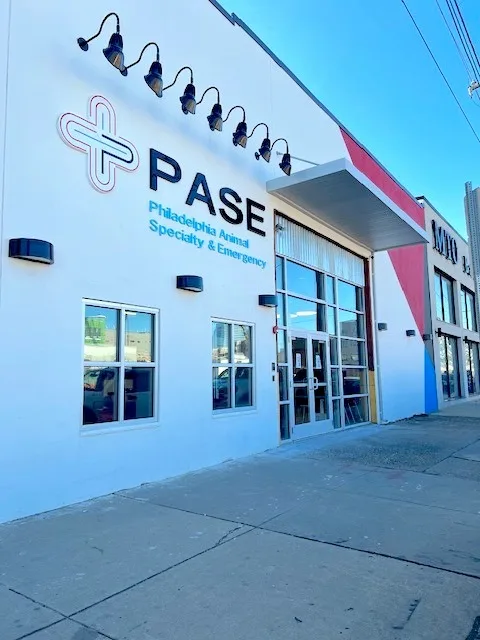
University of Pennsylvania School of Veterinary Medicine Emergency Services
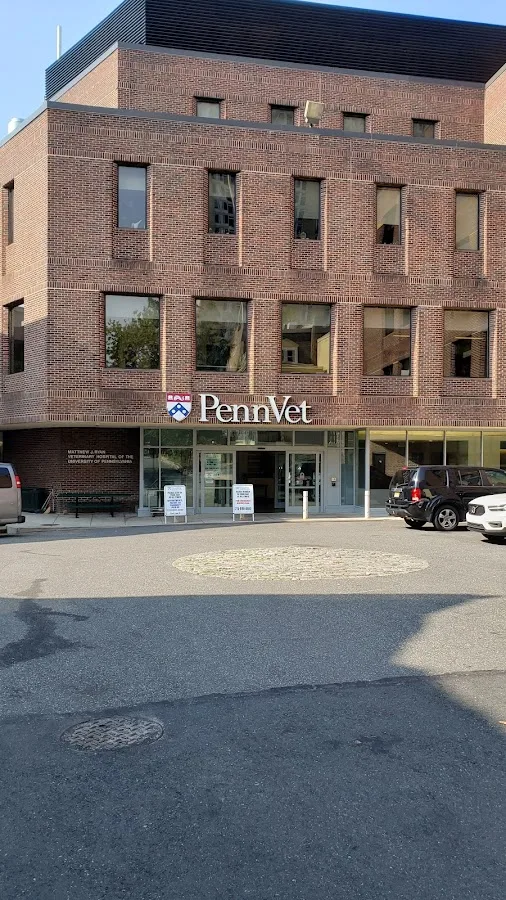
University of Pennsylvania School of Veterinary Medicine is documented as open 24 hours, with the phone number (215) 746-8387 for emergency help. Located in Philadelphia, PA at 3800 Spruce St, this emergency veterinary facility serves pet owners who need urgent assessment and treatment. If you’re searching for “Emergency Veterinary” care in the city, this is one option to consider. Public reviews show a 3.7 rating across 101 reviews, based on what other clients have shared.
Philadelphia emergency vet context
In Philadelphia, emergency veterinary searches often spike around issues that can’t wait for a regular appointment—things like sudden breathing trouble, heavy bleeding, major injuries from falls or bites, or when a pet has severe vomiting or collapse. Demand can also come from nights and weekends, when primary clinics are closed and pet owners are trying to decide whether a symptom is urgent. A 24-hour emergency option is meant for those decision moments, especially when time and triage matter.
Independent character
This listing is described as independent. In practice, that can mean emergency operations are driven by local hospital leadership and staffing rather than a chain-wide workflow. Trade-offs may include less uniformity across locations, since independent hospitals may manage triage and case handling based on their own resources and schedules. At the same time, local teams can sometimes be more flexible in how they coordinate next steps for the cases they can treat. For specifics, it helps to ask the hospital what services are available overnight.
Emergency-focused operating model
Emergency veterinary care is designed for time-sensitive conditions and usually starts with triage—sorting cases by urgency so the most critical pets get attention first. Even when a hospital is open 24 hours, your experience can vary depending on how busy it is at the moment. If your pet is having severe symptoms (trouble breathing, uncontrolled bleeding, collapse), it’s typically best to call the phone number listed and ask where to go and what to expect. When advised, head in promptly for evaluation.
Before visiting: practical checklist
Before you travel, call ahead using (215) 746-8387 and ask if there are any special intake steps or information they want from you. Bring any relevant records you have—vaccination history, prior diagnoses, medication lists, and recent lab results if available. Also plan for payment readiness; emergency services often involve prompt assessment and treatment. If possible, bring a leash or carrier that keeps your pet safely contained during intake.