Southern Arizona Veterinary Specialty and Emergency Center
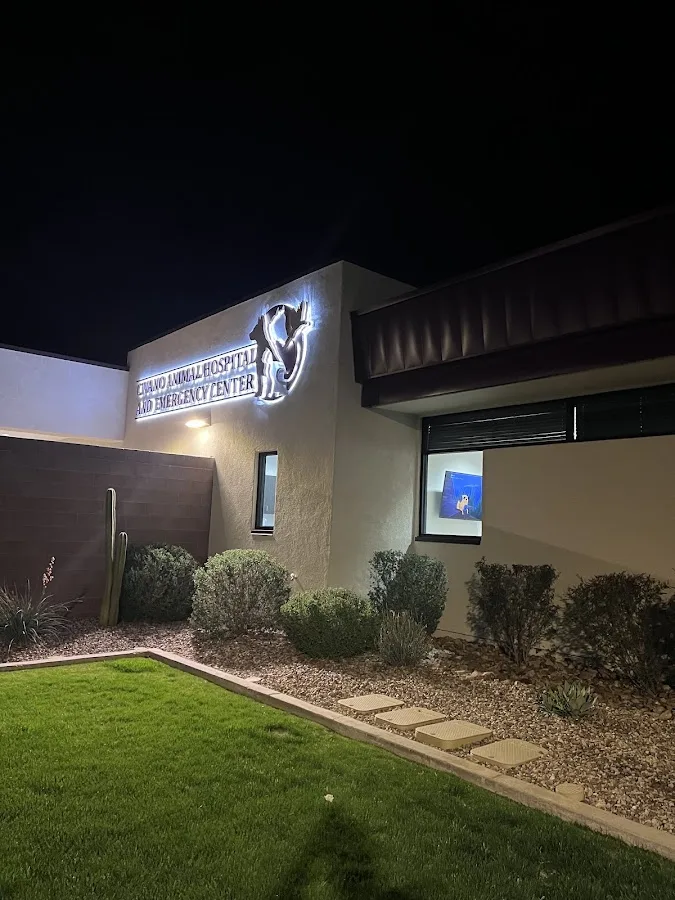
Southern Arizona Veterinary Specialty and Emergency Center lists 24-hour availability and a phone line at (520) 888-3177. Located in Tucson, AZ at 7474 E Broadway Blvd #100, the hospital is categorized as Specialty + Emergency, meaning it’s set up for cases that need urgent attention and may also require specialty-level evaluation or treatment. If you’re searching late at night or on a weekend, this 24-hour schedule can be a key factor in narrowing your options.
Tucson emergency vet context
In Tucson, emergency veterinary demand often spikes with the same seasonal patterns seen across many U.S. cities: severe injuries, sudden breathing problems, toxin exposures, and acute GI issues. In many cases, people search for a facility that can handle urgent stabilization and then determine what happens next. A specialty + emergency center may be especially relevant when symptoms seem more complex than routine after-hours care, or when primary-care clinics recommend referral for deeper diagnostics or treatment planning.
Independent-practice angle
This hospital is listed as independent, which generally means it isn’t operating as part of a larger chain with standardized processes across multiple regions. Independent emergency and specialty practices may still coordinate effectively with other providers, but the day-to-day experience can vary depending on staffing and case mix. For pet owners, the trade-off is often more local decision-making and potentially a narrower set of resources than a system can offer, while chains may offer more uniform pathways. Calling ahead helps clarify what they can take and when.
Specialty referral in an emergency setting
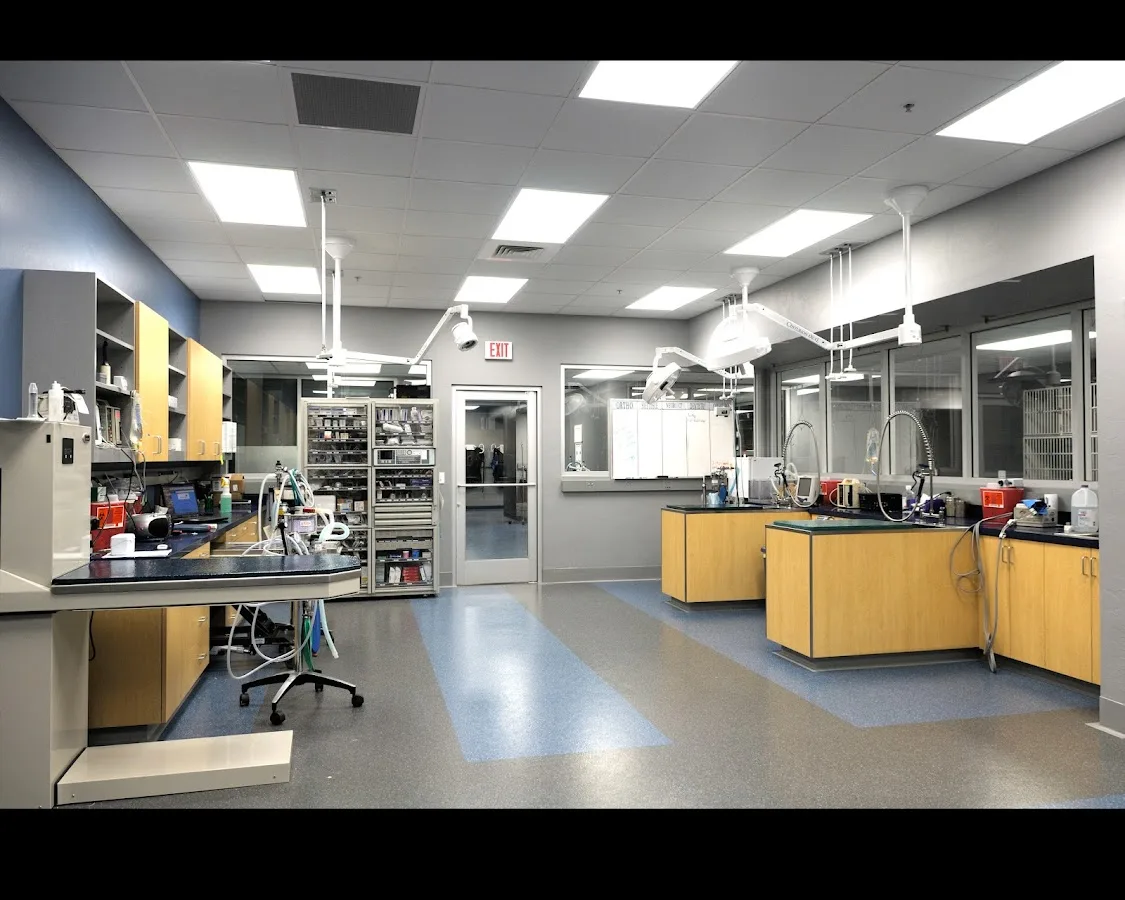
As a specialty + emergency hospital, Southern Arizona Veterinary Specialty and Emergency Center may receive referral cases that need urgent care plus specialty input. A primary-care veterinarian might send a patient here when imaging, advanced diagnostics, or specialist-led treatment is needed beyond what can be done locally. In an emergency workflow, the process often starts with triage and stabilization first, then shifts into targeted specialty evaluation as the patient’s condition allows. Walk-in emergencies can follow the same triage steps, even if the underlying reason is referral-level.
Reception and the public rating
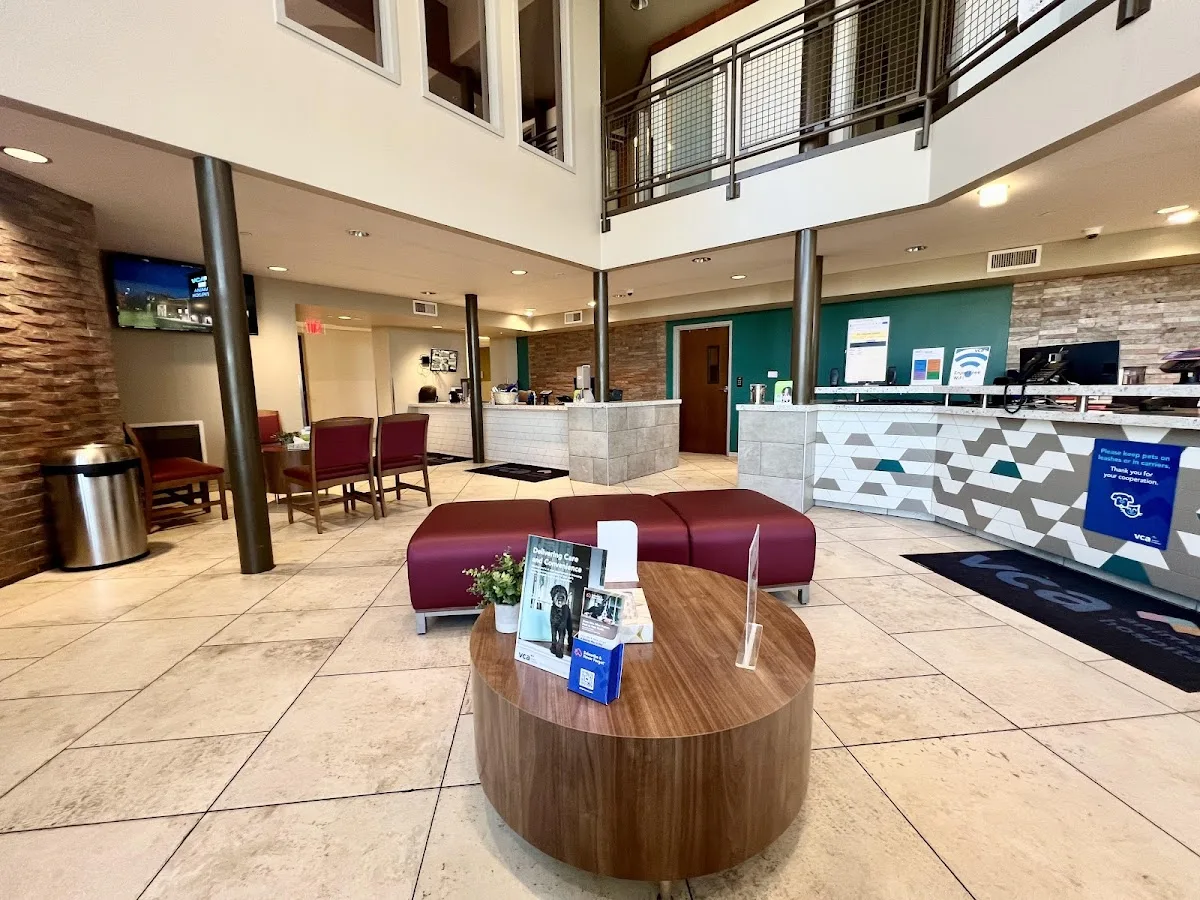
The listing shows a public rating of 4 across 1,277 reviews. For many pet owners, a rating in this range can suggest consistent experiences around the parts people notice quickly during stressful visits, such as front-desk communication, clarity of next steps, and perceived value for the time spent. Review counts also matter: many data points can smooth out one-off experiences. Still, the exact interaction quality can differ by case urgency, so it’s wise to call for guidance.
How a large review base helps
With 1,277 public reviews, this listing offers a broader sample than places with only a handful of opinions. That volume can help travelers and out-of-town pet owners compare patterns in how the hospital handles common issues like communication, wait times, and follow-through. It also means you can look across different circumstances rather than relying on a single narrative. You may still want to confirm specifics directly with the hospital, since emergency case needs vary.
Pre-visit checklist and practical notes
Before you head over, call (520) 888-3177 to confirm they’re able to see your type of case and whether there are arrival instructions for emergencies. Bring any medical records you have, including vaccination history, prior lab results, discharge papers, and a written timeline of symptoms. If possible, plan for payment readiness and ask what forms of payment they accept. When you’re in a rush, these steps can save time during triage.