Haw Heidi DVM in Middleton/Madison area
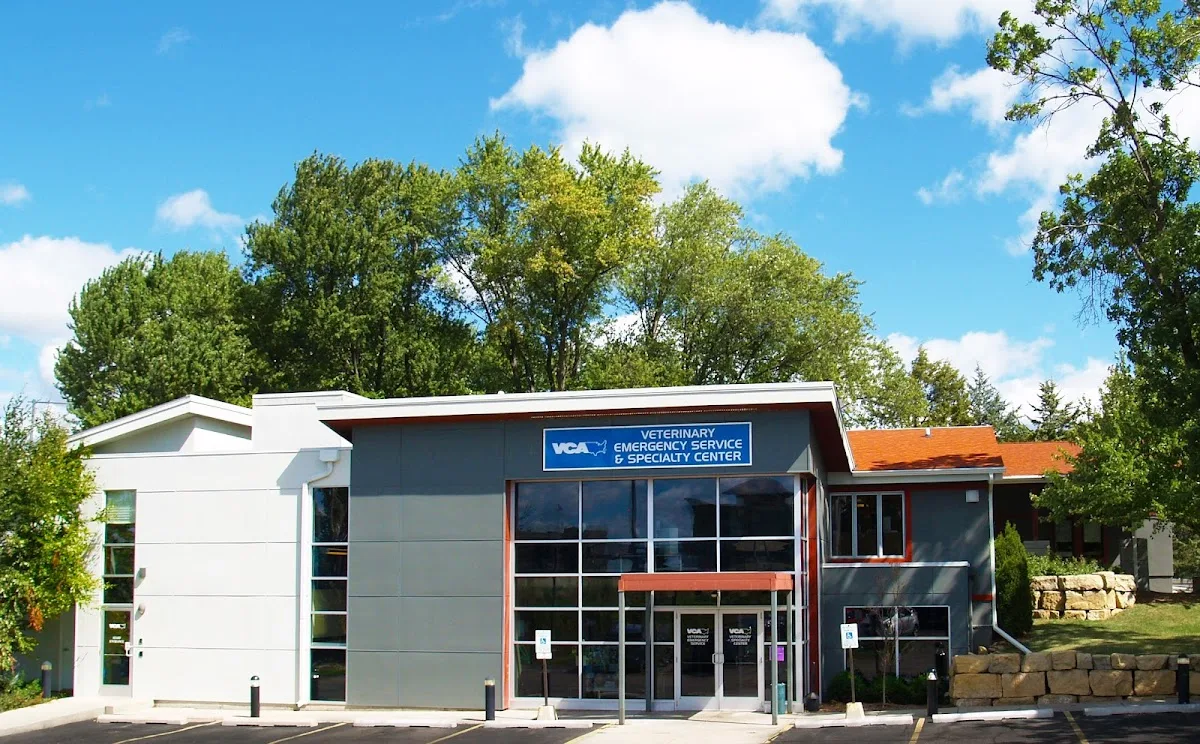
Haw Heidi DVM is an independent emergency veterinary clinic serving the Madison, WI region. The listing places the hospital at 1612 N High Point Rd #100, Middleton, and categorizes it specifically as emergency veterinary. Publicly available reviews show a 5.0 rating across 2 reviews. If you’re searching for emergency help in the Madison area, this site can help you narrow the decision—then you’ll want to confirm current availability and triage process by calling.
Madison emergency vet context
In Madison, emergency veterinary hospitals often see the kinds of urgent problems that can’t wait for a regular appointment—things like sudden injury, serious illness, toxin exposure, or breathing and bleeding concerns. Demand can feel neighborhood-level and immediate, especially when weekday clinics are closed or booked. People may also search during evenings, weekends, or holidays after noticing changes at home. If you’re located around the Madison area, it helps to treat the search as time-sensitive and contact the clinic promptly to ask whether they’re able to accept your specific situation.
Independent-practice angle
Because Haw Heidi DVM is listed as independently operated, the day-to-day experience may differ from a chain hospital. Independent emergency clinics are often run with local decision-making, which can affect how quickly they respond to triage needs, what services are available on-site, and how they handle after-hours referrals. The trade-off is that options can vary more by staffing and case mix, rather than following a single chain-wide pathway. For planning, ask directly what the clinic can treat immediately versus what may require transfer.
Emergency-focused operating model
The listing identifies the facility as emergency veterinary, which typically means it’s built around urgent evaluation rather than routine care. Many emergency hospitals operate on a schedule rather than being continuously available, so “emergency” can still mean a call-ahead process to confirm hours and intake. A common approach is triage on arrival—prioritizing life-threatening issues first—followed by stabilization and diagnostics as needed. If your pet is actively struggling (for example, severe breathing trouble or uncontrolled bleeding), call first to follow the clinic’s instructions for coming in.
Before visiting
Before you travel, call the clinic and ask about intake and whether they’re able to see your type of emergency. Bring any available records, including medication lists, recent diagnoses, and vaccination information, since that can speed early decisions. If you have a phone with you, note the timeline of symptoms and any treatments you tried at home. Also plan for payment at the time of service; if you’re unsure, ask what forms of payment are accepted.