When a pet needs emergency veterinary care, the most useful things to bring are a clear account of what changed, the animal’s current health and medication information, and any item or image that may help explain the incident. Gather what is immediately available, but do not let a missing record or package hold up urgent transport. The goal is a concise handoff that helps the veterinary team understand what you observed and when.
Write down the timeline and what changed
Start with the clock: when did you first notice the problem, and what was the pet doing beforehand? A short sequence is more helpful than a long narrative assembled under pressure. Note the first observable change, what happened next, and whether it became more frequent, less noticeable, or otherwise different. If the start time is uncertain, give an estimate and say it is an estimate rather than presenting it as exact.
Keep observations separate from explanations. For example, “would not put weight on the left front paw after coming in from the yard” describes what you saw; “must have sprained it” is a guess. Include a possible exposure or recent change in food, medication, activity, or surroundings if one comes to mind, but label it as possible. This distinction gives the clinician useful context without asking them to sort observed details from a conclusion.
If the situation is changing while you prepare to leave, jot down the new detail and its approximate time. A few brief notes on paper or a phone are enough; this is not a request to monitor or test the pet. If another person is helping, one can give the short timeline while the other handles the practical details of departure.
Gather the medical and medication history
Bring a current list of medicines and supplements, including each name, the strength shown on its label if known, and when the last dose was given. Include medications that were recently stopped if that timing could be relevant. If you cannot identify a product from memory, a clear photo of its label or the container itself can prevent confusion between similarly named items.
Add known medical conditions, allergies or prior reactions, and recent veterinary records if they are easy to retrieve. A discharge summary or recent test report may supply context that is difficult to recall accurately. You do not need to create a complete lifetime history in the parking lot: prioritize current medications and the most relevant recent information, and leave an unavailable document behind rather than delaying departure.
For a multi-pet household, make the record unmistakably about the animal being seen. A note with the pet’s name and the medication list is better than a shared household list with no clear assignment. If you have more than one version of a prescription or record, bring the current one and mention any uncertainty about whether it is up to date.
Bring evidence connected to the incident
When a particular product, food, medication, plant, or household item may be involved, its original label or packaging can provide exact names and ingredient information. Bring it only when it is safe and practical to do so; a readable photograph of the front and ingredient panel may be a more manageable alternative. Do not handle or transport an item that could expose you or others to danger.
A photo or brief video can preserve a visible change that may not be present at the appointment. It can be especially useful for something intermittent, such as an unusual movement or a sound that has stopped. Capture it only if doing so does not interfere with safe handling or delay leaving. A short clip with a little context is more useful than a large gallery with no indication of when the images were taken.
Keep the original files when possible and be ready to explain when they were recorded. The image is a supplement to your description, not a substitute for it: tell the veterinary team what was happening just before and after the moment shown.
Make the transport and handoff straightforward
Choose a carrier or leash suited to your pet and secure the animal for the trip rather than relying on someone to hold an unrestrained pet in a moving vehicle. Put notes, records, and any safely carried packaging together where they can be reached without distracting the driver. If you are traveling alone, concentrate on safe transport; the written timeline can be brief and the remaining details can be shared at handoff.
With another adult available, divide the jobs: one person manages the pet and travel while the other gathers the timeline, medication information, and relevant images or labels. At arrival, lead with the main change and when it began, then provide the supporting details. This order gives the team the central concern first and keeps smaller facts from obscuring the reason for the visit.
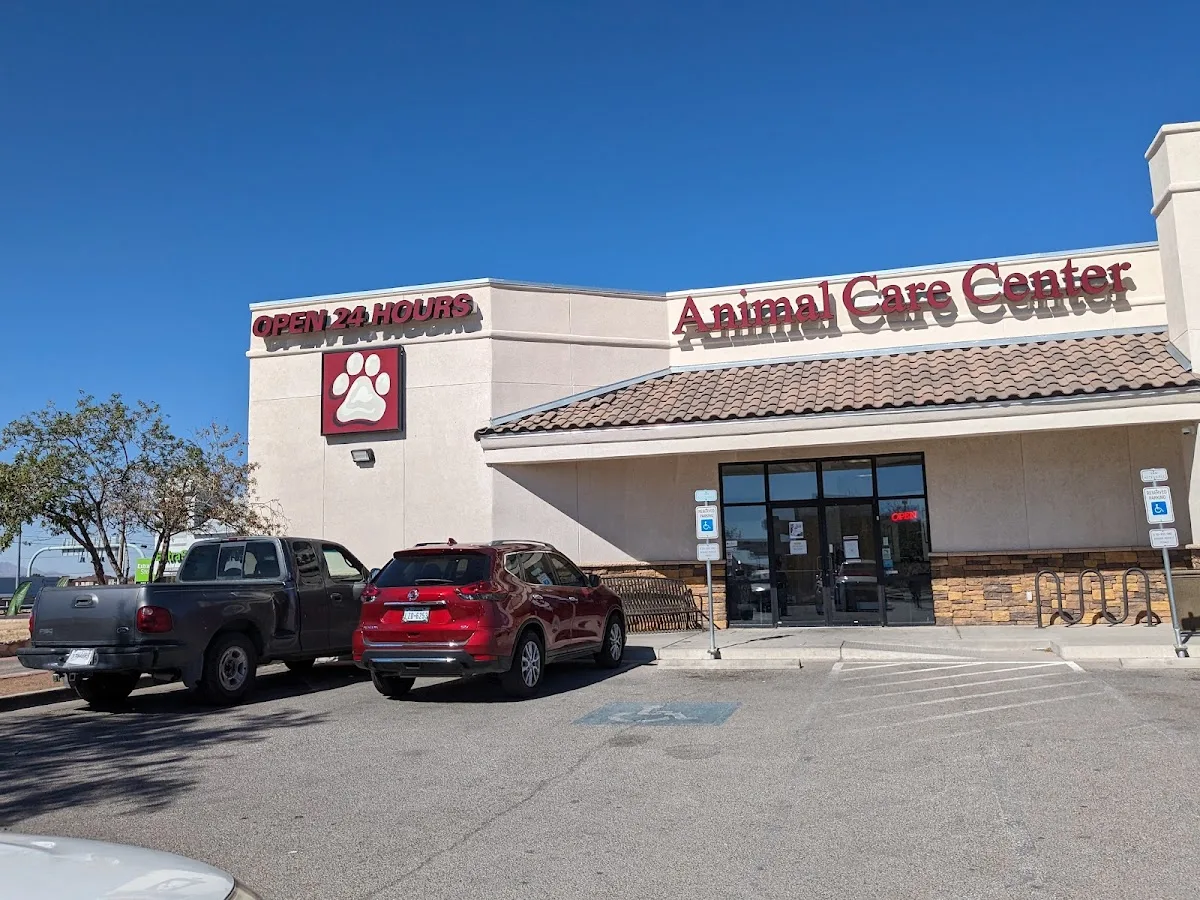
For a local point of reference, Far East Animal Care Center is a veterinary provider in El Paso.