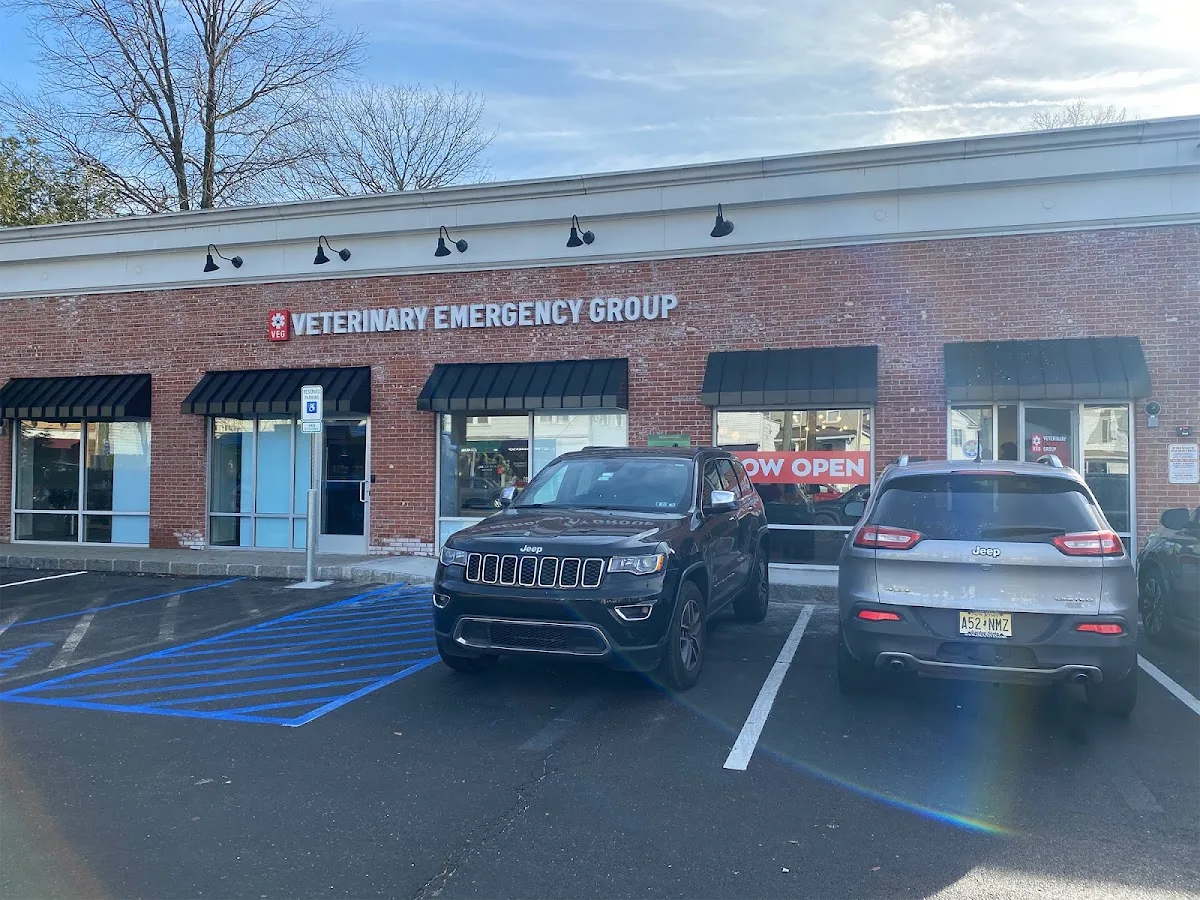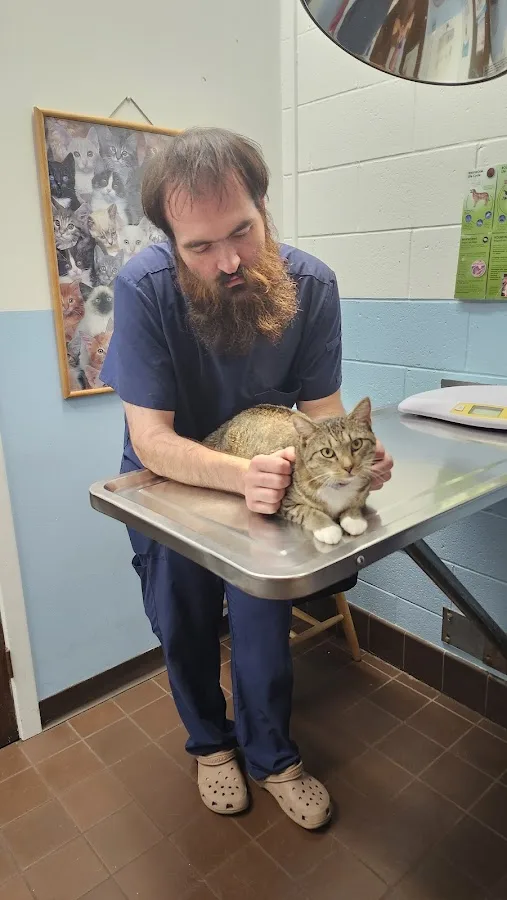
When your pet’s condition changes fast, the hardest part is often not driving—it’s making sure the first call and the first minutes set your pet up for safe triage. Vet Hospital in West Haven is listed as an emergency veterinary option at 950 Campbell Ave, West Haven, CT 06516, and caregivers can reach the team at +1 203-932-5711. Because emergency hospitals can vary in how they manage intake, your goal is to confirm fit and readiness before you arrive.
Confirm this is the right level of emergency for your pet
Start by describing symptoms in a way that helps a veterinary team decide urgency and next steps. Instead of a long story, focus on:
- What you’re seeing now (e.g., breathing effort, severe pain, repeated vomiting, collapse, uncontrolled bleeding).
- When it started and whether it is getting worse.
- Your pet’s basic details (species, approximate age, and weight if you know it).
This matters because emergency care is triage-driven. Many pets may need immediate stabilization steps, while others may be safer waiting for a slot. A brief, clear summary helps staff route you to the correct workflow.
Use the phone call to speed triage and reduce uncertainty
Before heading in, call Vet Hospital and ask what information they want at intake. You can also ask whether the team can provide any immediate safety guidance while you’re on your way (for example, whether your pet should be kept warm/calm during transport). At minimum, be ready to share any of the following:
- Any current medications and recent treatments.
- Any known exposure concerns (plants/toxins/chemicals) and what time it may have happened.
- Recent illnesses, surgeries, or chronic conditions.
- Whether your pet has been vomiting, unable to urinate, acting disoriented, or seems painful.
If your pet is not able to stand or is having breathing trouble, ask triage how they prefer you arrive and what to do during the final minutes. The objective isn’t to “win” the conversation—it’s to give the team actionable details.
Be ready with transport and safety items for the first visit
Emergency triage often begins the moment you enter, so bring what helps staff assess your pet safely. For dogs and cats, that usually means:
- A carrier or secure transport (cats in particular should be in a carrier if possible).
- A leash and towel (for dogs that may be painful or overstimulated).
- Medical records and a current medication list, if you have them.
Even if the hospital is expecting emergencies, pets can be stressed during transport. Reducing handling risk can make the intake exam faster and more accurate for the veterinary team.
Bring key questions that fit emergency veterinary reality
Once you arrive, triage may still be happening quickly. To make the visit productive, ask questions that clarify what comes next without slowing the process:
- “What do you consider the top priority right now for stabilization?”
- “Is there any critical information you need from me that I haven’t mentioned?”
- “If diagnostics are needed, what’s the first step you recommend given my pet’s symptoms?”
- “How will you communicate updates—at what points should I expect a call?”
Remember: emergency hospitals often work in time-sensitive phases. Asking about priorities helps you understand the order of triage decisions.
Verify the essentials before you drive: address, phone, and where to start
Even with urgency, double-check the essentials so you’re not stuck searching on the way. Vet Hospital is publicly listed with 950 Campbell Ave, West Haven, CT 06516 and the phone number +1 203-932-5711. If you’re searching online, treat hours and intake procedures as something to confirm directly by phone—emergency availability can depend on staffing and case load.
If you only do two things, make them: call first with a short symptom timeline, and arrive ready to help triage with transport safety and key history. That combination can make the difference between a chaotic first encounter and a calmer, faster veterinary intake for your pet.