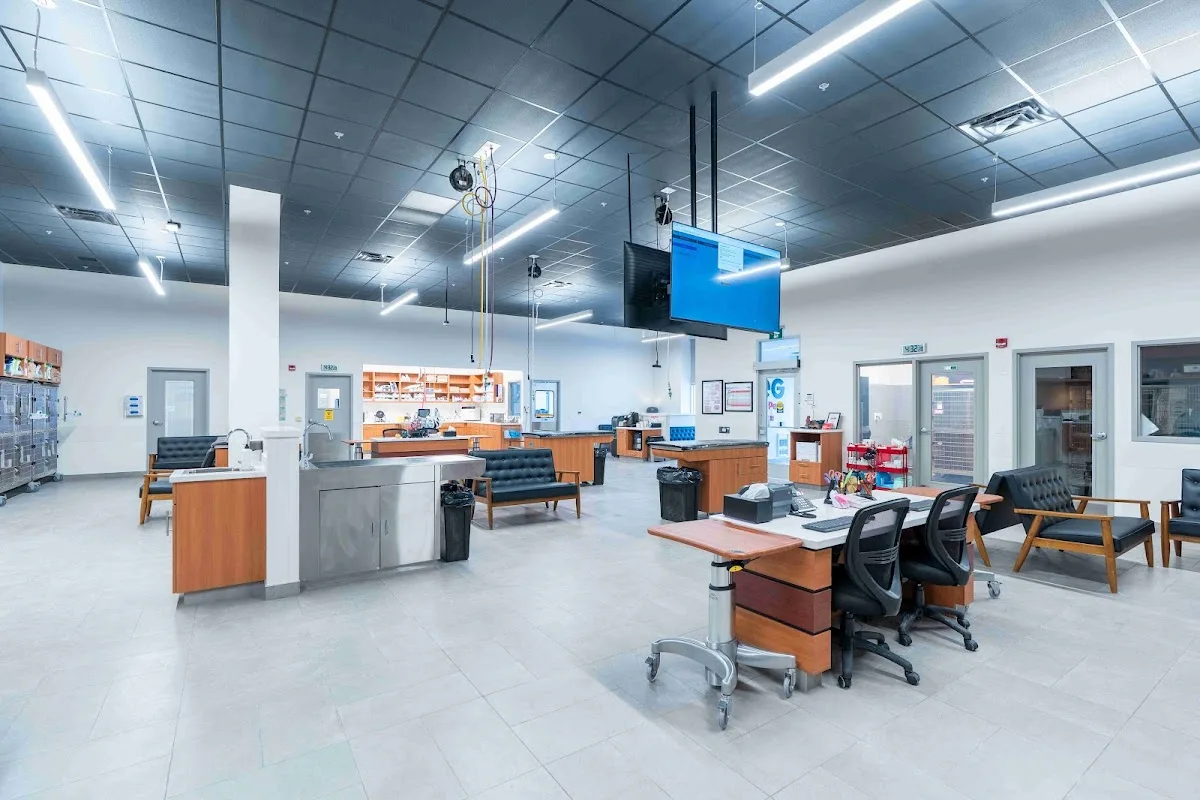
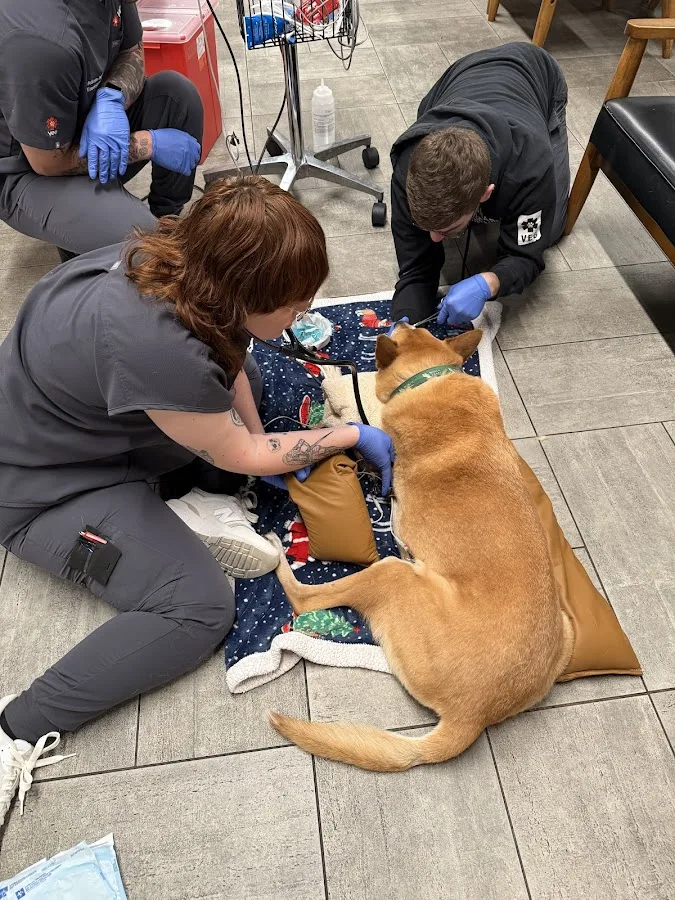
Parkside Veterinary Hospital at a glance
Parkside Veterinary Hospital (Potkewitz L DVM) is an emergency-focused veterinary clinic in Albany, New York, listed at 172 Morton Ave. Emergency visits are typically designed for pets whose problems are getting worse quickly, involve breathing, bleeding, seizures, severe pain, or sudden weakness. For anxious owners, the key is moving from “watch and wait” to “get seen now” based on symptoms and how rapidly they are changing.
Common situations that should be treated as urgent
Any sudden change in a pet’s ability to breathe, move normally, or stay alert can be an emergency. Owners often underestimate how quickly some conditions progress, especially after trauma, ingestion of toxins, or severe vomiting and diarrhea. If symptoms are escalating over minutes to hours, waiting at home increases risk.
Consider urgent evaluation if a pet has one or more of the following:
- Breathing trouble (open-mouth breathing, persistent coughing with distress, blue/gray gums)
- Seizures (especially if they last more than a few minutes or repeat)
- Severe bleeding or uncontrolled wounds
- Sudden collapse, extreme weakness, or inability to stand
- Nonstop vomiting or repeated vomiting with lethargy
- Ingestion of suspected toxins (human medications, xylitol-containing products, antifreeze, lilies in cats)
- Severe abdominal pain or a swollen, hard belly
- Heatstroke signs (panting that becomes weak, collapse, hot dry or very hot skin)
Because the right decision depends on severity, contacting the clinic before travel is often the fastest way to confirm urgency and arrival instructions.
When it may be reasonable to wait (and when it isn’t)
Not every illness is instantly life-threatening, but the boundary between “monitor” and “emergency” is symptom intensity and progression. As a general rule, if a pet is stable, alert, and improving, a short period of monitoring may be appropriate for mild, self-limiting problems. If a pet is declining, hiding more than usual, refusing water, or breathing differently than normal, the threshold to seek emergency care should be lower.
AVMA guidance emphasizes that owners should seek veterinary help when a pet shows signs of serious illness, pain, or rapid deterioration, and when home care cannot safely correct the problem. If symptoms keep coming back or worsen between checks, urgent evaluation is usually warranted.
What to bring to the ER
Emergency triage is more efficient when the clinic has context. Before leaving home, try to gather the most relevant information, even if the situation feels overwhelming. Packing small details can also help clinicians interpret results faster.
- Vaccination records (if available) and medication list
- Recent test results (bloodwork, imaging reports) if the pet was recently diagnosed
- Details of the event: what happened, approximate time of onset, and any witnessed symptoms
- For suspected ingestion: product name, strength, and estimated amount
- Photos or short videos of breathing effort, seizure activity, vomiting, or stool appearance
- Comfort items: a familiar blanket, leash/carrier, and towel for restraint if needed
Owners may be asked to confirm history at check-in and discuss treatment options based on triage findings. Preparing these items can reduce repeated questioning and help move from assessment to care sooner.

What triage and the first exam often involve
In emergency practice, initial steps focus on stability first. That means the team commonly evaluates breathing, heart rate, temperature, mucous membrane color, hydration status, pain level, and neurologic status before moving to longer diagnostics. Even when the final diagnosis takes time, stabilizing circulation and respiration can be life-saving.
Depending on the presenting problem, the clinic may consider:
- Rapid assessment of comfort and vitals
- Oxygen support or respiratory assistance when breathing is compromised
- IV access and fluids for dehydration, shock, or ongoing vomiting
- Lab testing such as blood glucose, electrolytes, packed cell volume/total solids, and basic chemistry
- Imaging (radiographs and/or ultrasound) for abdominal pain, injury, or localization of foreign material
- Pain and seizure management to control symptoms while diagnostics proceed
In many emergencies, early treatment may begin while waiting for confirmatory results, especially when a pet’s condition is worsening.
Cost expectations and financing options
Emergency veterinary care often includes urgent evaluation, stabilization, diagnostic tests, medications, and monitoring. Costs vary widely depending on the complaint, how quickly a pet stabilizes, and whether imaging or hospitalization is needed. Owners can reduce surprise by asking what major cost drivers apply to the likely diagnostic pathway.
Common cost components include:
- Initial exam and triage
- Diagnostics (labs, imaging)
- Medications (pain control, anti-nausea treatment, seizure management)
- Supportive care (IV fluids, oxygen, hospitalization)
If cost is a concern, ask about payment options and whether financing programs are accepted. Many veterinary hospitals discuss credit or payment-plan options for medically necessary care.

How to follow up after the emergency visit
After stabilization, the plan usually includes discharge instructions and recheck timing. Owners should be prepared to monitor appetite, hydration, stool/urination, pain level, and breathing effort. If medications are prescribed, administering them on schedule is critical, and owners should ask how to handle vomiting or missed doses.
If a pet worsens after discharge—such as renewed breathing difficulty, persistent vomiting, weakness, or return of seizure activity—contacting the clinic again or returning for urgent reassessment is recommended.
References
- American Veterinary Medical Association (AVMA). Guidance on when to seek veterinary care and recognizing signs of serious illness.