Where IAC Urgent Vets - Queens is located
IAC Urgent Vets - Queens serves pet owners in East Elmhurst and surrounding neighborhoods in Queens, New York. The clinic address is 32-33 Junction Blvd, East Elmhurst, NY 11369. Because urgent veterinary needs can come up at any hour, it is best to plan around the clinic’s ability to triage quickly rather than relying on routine appointment timing.
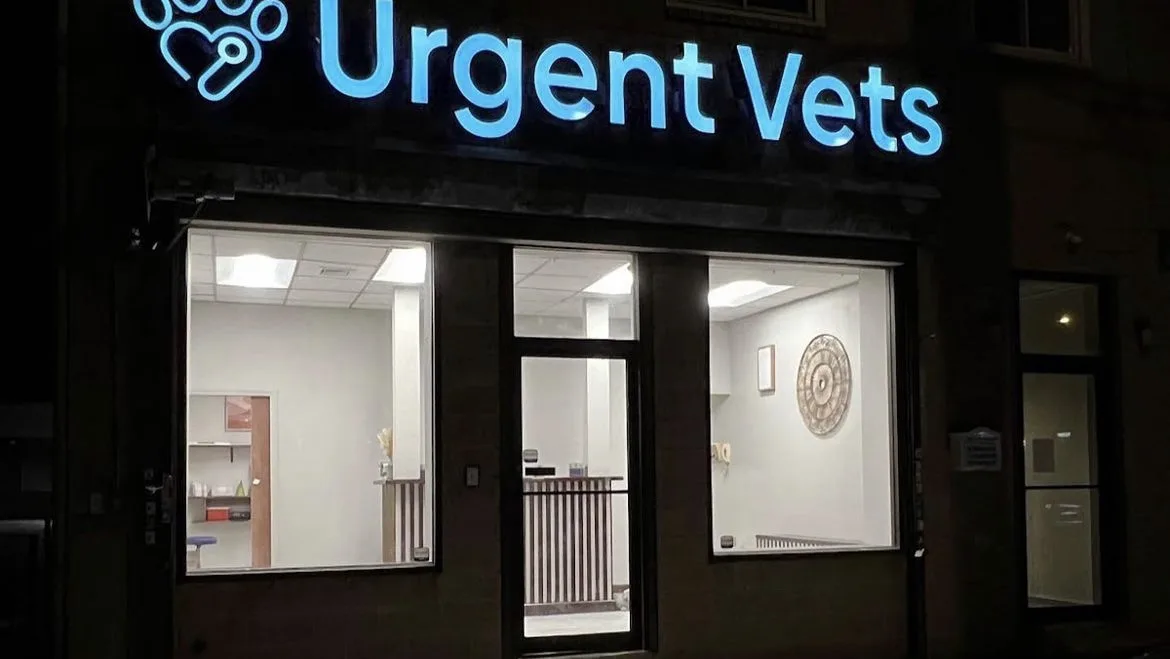
Hours and accessibility for urgent care
The clinic operates on an open 24 hours schedule. That matters for stress-inducing situations like sudden injuries, vomiting, breathing trouble, or a pet that deteriorates overnight. If possible, calling ahead before arrival staff understand the situation and prepare for intake.
Good to know: “Open 24 hours” typically means the clinic is staffed for ongoing triage and emergency services rather than a “drop in anytime with no process.” Arriving with a brief summary of symptoms can speed up intake.
What to bring when you arrive
Urgent visits can be more efficient when key details are ready. Consider bringing or having the following information available:
- Your pet’s vaccination and medical history (if you have records, photos, or a summary)
- A list of medications your pet is currently taking, including dosages when known
- Notes on the timeline (when symptoms started, what you observed, and how the pet has changed)
- Any relevant prior diagnosis (for example, allergies, chronic conditions, or recent procedures)
- Comfort items for the car ride (a familiar blanket can reduce stress during intake)
If your pet is in severe distress, staff will prioritize immediate assessment. For that reason, it helps to be ready to provide “the big facts” quickly, even if you cannot bring paperwork.
How check-in and triage usually works
Urgent care facilities typically use triage to prioritize cases based on severity. At IAC Urgent Vets - Queens, the intake process generally:
- Initial observation and vital assessment to identify urgent life-threatening problems
- Symptom review based on what you noticed and when it started
- Recommended next steps such as basic stabilization, diagnostics, or treatment
Expect that wait times may vary depending on how many critical cases are being handled at the same time. Triage helps ensure the most urgent pets receive attention first.
On-site services that may be available during emergencies
Emergency and urgent cases often require rapid diagnostics and treatment. Based on clinic capabilities listed for emergency veterinary services, visitors can expect that care may include:
- On-site triage and hospital-level monitoring
- In-house diagnostics such as imaging and ultrasound
- Stabilization support including IV fluids and oxygen when needed
- Procedures for acute conditions when appropriate, including hospitalization and pain management
For owners, the practical takeaway is to ask questions during intake. If a diagnostic or treatment step is recommended, request a brief explanation of what it will help determine or improve.
Preparing your pet for a safer, calmer visit
Even when the situation is serious, small preparation steps can improve safety. Consider:
- Using a carrier or secure leash for cats and anxious pets to reduce risk during movement
- Keeping your pet warm (blankets, especially for small animals)
- Bringing a muzzle only if you already know your pet requires one—otherwise follow staff guidance
- Avoiding food and treats if the clinic suspects procedures or anesthesia, unless staff advises otherwise
If you are unsure whether to withhold food or water, ask. In urgent settings, staff will balance comfort with what the medical team needs next.
Common reasons pet owners seek urgent care
Urgent veterinary visits often involve conditions that can worsen quickly. Examples include:
- Difficulty breathing, repeated coughing, or choking concerns
- Severe vomiting or diarrhea, especially with dehydration
- Bites, cuts, punctures, or injuries from accidents
- Eye injuries, sudden limping, or suspected fractures
- Seizures or sudden weakness
If symptoms appear rapidly or your pet seems to be getting worse over hours, it is reasonable to treat it as urgent rather than waiting for the next day.
Questions to ask during the visit
To make the visit more productive, consider asking:
- What is the top priority right now, and why?
- What diagnostics are recommended first?
- What signs should improve after treatment?
- What are the at-home monitoring steps after discharge or hospitalization?
- When should you return or call again if symptoms continue?
These questions help owners understand the “why” behind decisions and reduce uncertainty once you are back at home.
Contact and quick logistics
To reach IAC Urgent Vets - Queens, use (718) 866-4580. Calling can be especially helpful when you are deciding whether to head in immediately and when you want staff to be aware of your pet’s situation before arrival.
Having the address ready can also help in high-stress moments. The clinic is at 32-33 Junction Blvd, East Elmhurst, NY 11369.

Neighborhood context for Queens visitors
East Elmhurst is part of the Queens area, and many pet owners travel from nearby neighborhoods when an emergency happens. The clinic’s 24-hour availability is designed for times when waiting for a routine appointment is not an option.
If you are planning transport, choose the safest route and keep your pet secure for the ride. In urgent situations, the goal is to get to triage safely and quickly.
Final takeaway
IAC Urgent Vets - Queens offers open 24-hour emergency and urgent veterinary services in East Elmhurst. A successful visit usually starts with preparation: having a brief medical timeline, bringing medication and history details when possible, and being ready for triage-based prioritization. For severe or rapidly worsening symptoms, seeking urgent care promptly can make a meaningful difference.