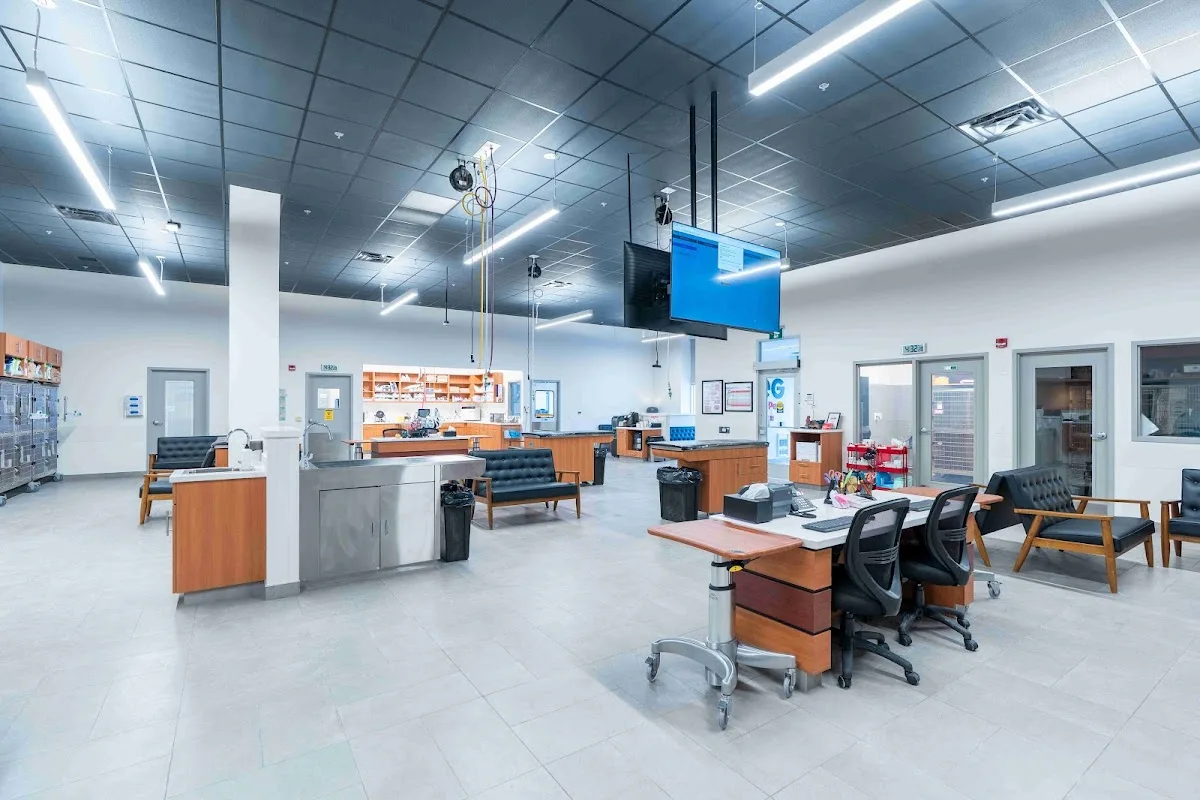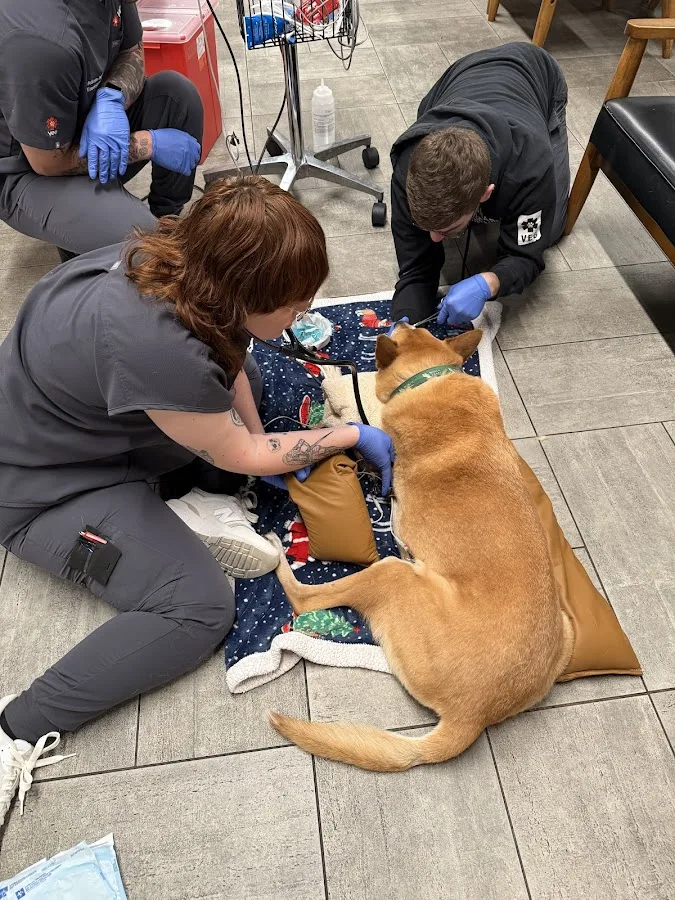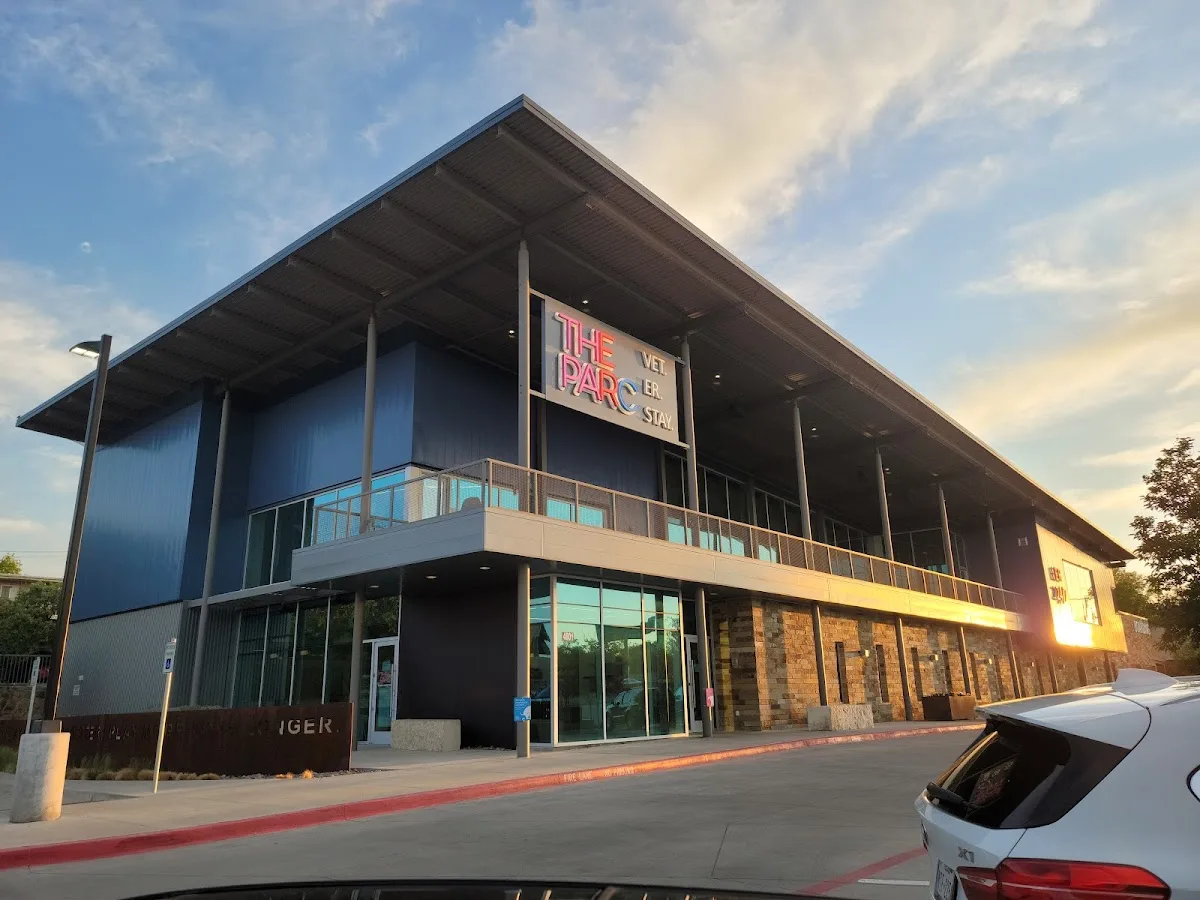
When your dog or cat needs emergency care in the Charleston area, the “right clinic” isn’t just a location—it’s whether the hospital’s intake workflow matches the severity and timing of your case. Charleston Veterinary Referral Center (CVRC) is positioned publicly as a specialty + emergency small animal hospital that stays open 24/7/365.
This decision-focused guide stays on verifiable signals you can check first, then turns them into practical questions for your triage call.
CVRC’s key details you can confirm before you head out
CVRC’s public information provides several anchor points for deciding whether it fits what you’re dealing with:
- Address: 3484 Shelby Ray Ct, Charleston, SC 29414, United States.
- Phone: +1 843-614-8387.
- Availability claim: CVRC states it is ALWAYS open 24/7/365.
- Emergency readiness signal: CVRC says it is VECCS Level 1 Certified through the Veterinary Emergency & Critical Care Society.
These signals help you make a faster, less guess-based first move—especially when you’re trying to reach the right level of emergency readiness.
Specialty + emergency: what to match to your situation
CVRC describes itself as a specialty and emergency small animal hospital and lists services such as critical care and emergency care. For pet owners, the main question is whether your case needs specialty-level support as part of emergency treatment—such as coordinated, referral-style resources—rather than only a general urgent visit.
Because triage is about fit, use your call to translate what’s happening into a short case summary. A triage conversation typically centers on when the problem started, what symptoms are present right now, what is worsening, and any relevant history (including medications, known diagnoses, or recent procedures). If your pet can still stand, eat, or breathe comfortably is also the kind of detail that quickly changes how a team prioritizes intake.
How VECCS Level 1 changes the decision lens
CVRC’s VECCS Level 1 statement is a facility-level readiness signal. It doesn’t automatically mean every case will be accepted, but it does suggest the hospital is participating in a formal emergency readiness framework. For families facing time-sensitive or complex emergencies, that can be the difference between calling a general option and reaching a clinic that publicly positions itself for critical, referral-style emergencies.
Using the address and routing details to reduce delays
CVRC publishes routing guidance for GPS devices and directions for several approaches. In an emergency—particularly if you’re driving at night—getting there smoothly can matter as much as the destination itself.
Before you leave, re-check that you’re using the listed destination for GPS: 3484 Shelby Ray Court, Charleston, SC 29414. If you have records, bring the basics you can share quickly (vaccination history, discharge papers, and a medication list). If possible, assign one person to communicate during intake while another focuses on transport and keeping your pet calm.
What a review score can (and can’t) tell you
Public listings for this CVRC location show a 5.0 rating from 4 reviewers. Reviews can be helpful for understanding the client experience theme, but they aren’t proof of current emergency intake capacity on a specific night, staffing levels, or whether your pet’s exact case will be accepted.
Use the rating as context for service culture, then rely on the hard signals—+1 843-614-8387, 3484 Shelby Ray Ct, the 24/7/365 availability claim, and the VECCS Level 1 readiness statement—to decide when to call and whether to proceed.
Call questions that directly connect to specialty emergency fit
Before you arrive, ask questions that tie your situation to triage and logistics. For CVRC, examples that align with the kind of information emergency hospitals use include:
- Can you accept this case type tonight?
- Should I bring anything specific (for example, a medication list or prior imaging/labs)?
- If my pet needs referral-level resources, what is the expected next step after intake?
- If anything changes en route—such as breathing status or responsiveness—what should we do first?
When you match your case category to what the team indicates they’re ready to handle, you reduce delays and avoid unnecessary driving if the level of critical support required isn’t the right fit.
If you’re considering CVRC in Charleston, use the verifiable public signals—+1 843-614-8387, the 3484 Shelby Ray Ct address, the 24/7/365 availability claim, and VECCS Level 1 readiness—to make a confident first move. Then confirm intake fit by phone so your trip is focused on getting your pet the appropriate emergency specialty care.