When a pet needs emergency care, the right clinic decision is more than finding an “emergency vet” label. It’s about whether the team can start triage quickly, whether your case matches the clinic’s emergency scope, and whether you can arrive with the information that helps reduce delays.
For families considering CARE | Charlotte Animal Referral & Emergency, the public signals are clear enough to start planning—then you should confirm the details that matter for your exact situation. CARE is listed as an emergency veterinarian service with open 24 hours, at 3726 Latrobe Dr, Charlotte, NC 28211, United States, by phone +1 704-457-2300, and online at https://carecharlotte.com/.
Start with the essentials you can verify in one call
Before you drive, use the clinic phone to confirm the basics that affect triage timing. With emergency hospitals, small details—arrival instructions, how the team routes urgent calls, and what they need from you—can make a big difference in how fast your pet gets seen.
For CARE in particular, use these verified starting points when you’re calling: the 24/7 emergency availability, the +1 704-457-2300 number, and the street address in Charlotte. If you only have seconds, you can still ask the same core triage questions: whether they are expecting an emergency arrival right now, what case category they can support, and where you should check in.
Match your pet’s case to the clinic’s emergency and specialty focus
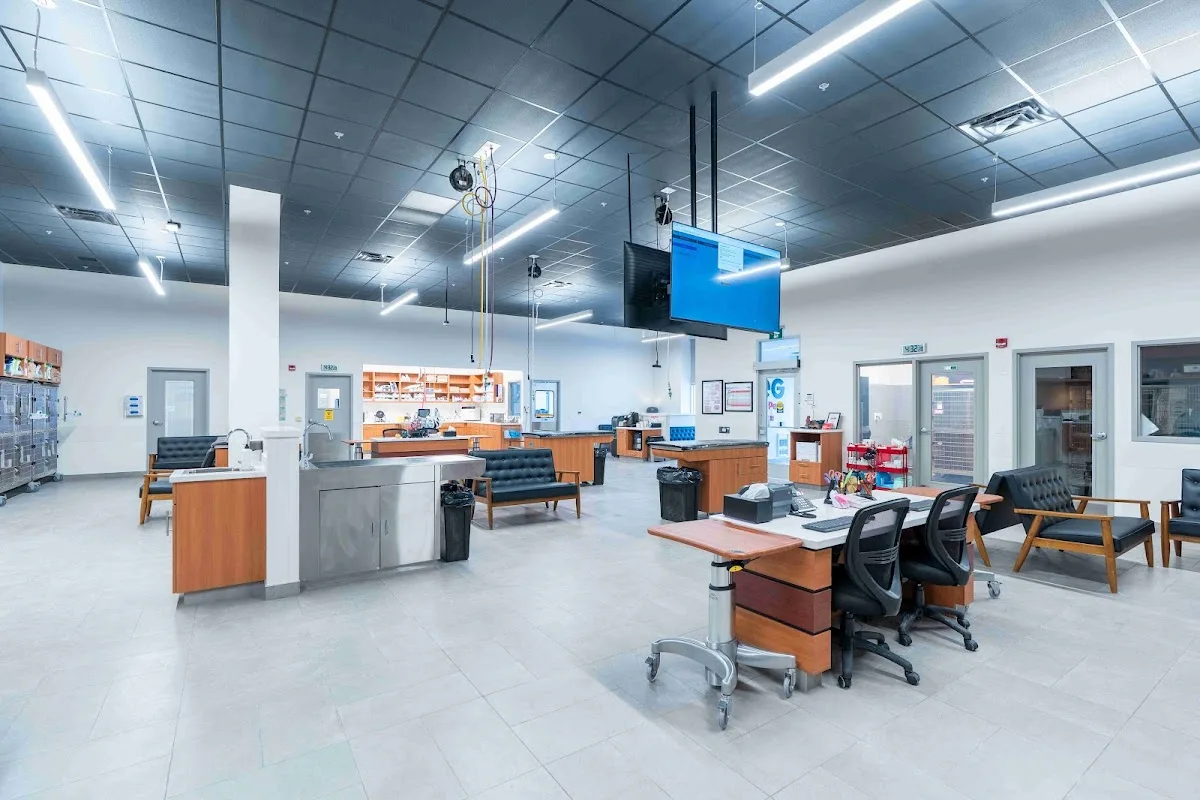
CARE describes itself as a 24-hour animal hospital and highlights multiple specialty areas under one roof. While this is reassuring, it still doesn’t replace case matching. Ask the veterinary team to categorize your emergency the way they do operationally—for example, whether the scenario is handled through their emergency pathway, through a specialty service, or through coordination with your primary veterinarian.
Then, keep your call short but specific. A helpful framing is to describe “fast facts” rather than a long story: your pet’s species and age, what you first noticed, whether symptoms are worsening, and any medications already given. Your goal is to help the triage team decide what team and resources to prepare before you arrive.
Use public reputation as a starting signal, not proof
You may also see a public rating associated with CARE—one listing shows 4.2 from 880 reviewers. Ratings and review counts can help you decide which options to prioritize, but they cannot confirm staffing levels, equipment readiness, or current triage flow during the specific hour you need care.
In emergencies, treat ratings as background context and rely on what the clinic confirms directly: open status, arrival routing, and whether they can handle your case type today.
Bring a “triage packet” your veterinary team can use
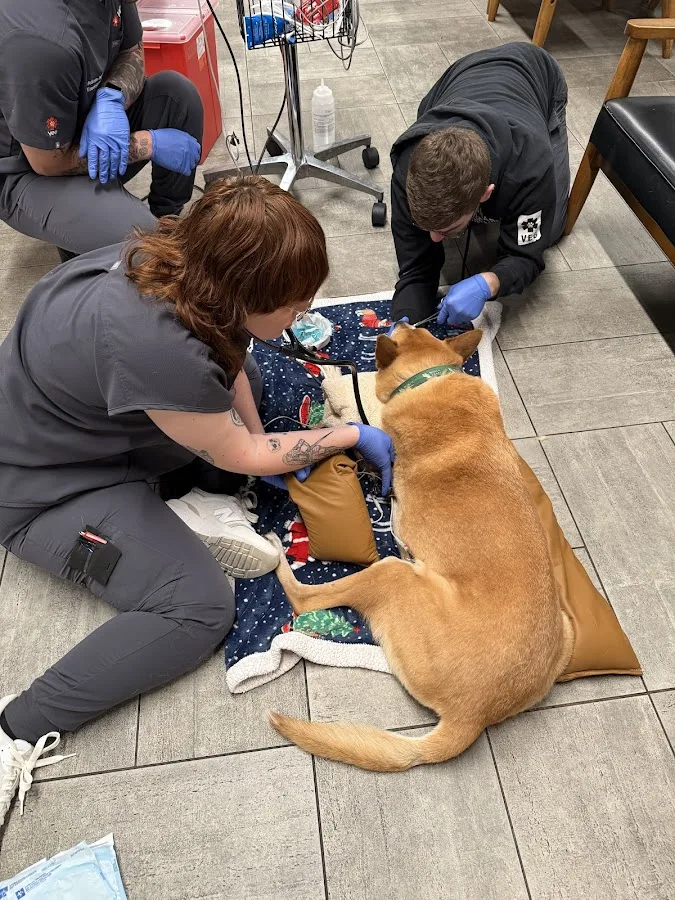
Even if a clinic is open 24 hours, delays can happen when essential information arrives late. A simple triage packet helps. For CARE (and any emergency veterinary hospital), prepare a small folder or phone notes that you can share quickly on arrival:
- Updated contact info and your pet’s primary veterinarian details
- Medical history and current medications (include dose if you know it)
- Any recent test results or discharge paperwork, if applicable
- A brief timeline of the emergency (when symptoms started, what changed)
- Photos or video if symptoms are hard to describe in words
This type of readiness aligns with how emergency teams prioritize. It also helps if staff need to coordinate across specialties.
What to ask before you arrive (so you don’t lose time at the door)
Use your call to reduce friction when you get there. In addition to the essentials (open status, arrival direction, and case fit), ask questions that prevent misunderstandings:
Ask about arrival and intake flow
Confirm whether there is a specific check-in process for emergency arrivals and where your vehicle should go first. If the clinic routes clients by case category, ask what they need from you at intake.
Ask what they want you to bring
Clarify what documents or items are most useful for triage—especially if your pet has prior diagnoses, specialist records, or recent labs. If you don’t have paper records, ask whether photos or digital info are acceptable.
Final decision: verify fit, then drive with a plan
CARE’s publicly listed emergency availability, contact details, and Charlotte address give you a strong foundation for planning. Still, the best “emergency vet fit” decision comes from matching your specific case to what the veterinary team can support at that moment. Call +1 704-457-2300, confirm triage readiness and arrival instructions, and bring a short triage packet so your pet can be assessed as quickly as possible.