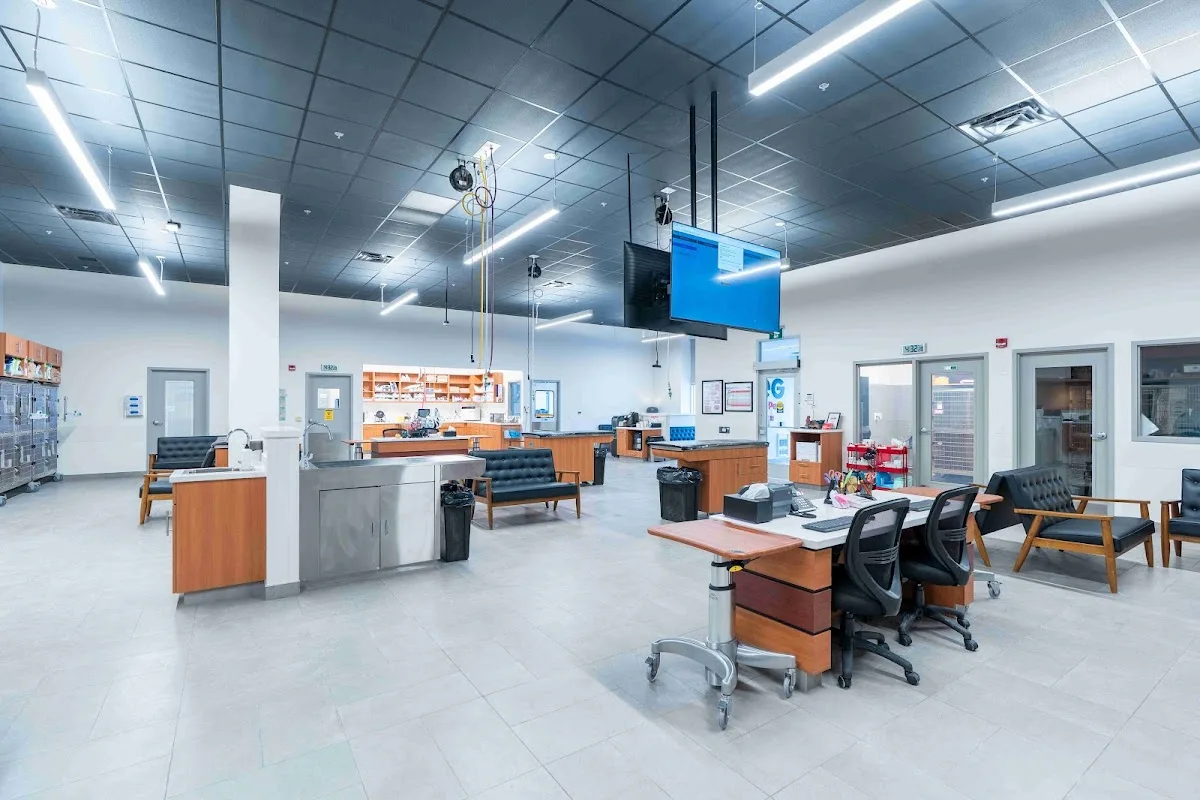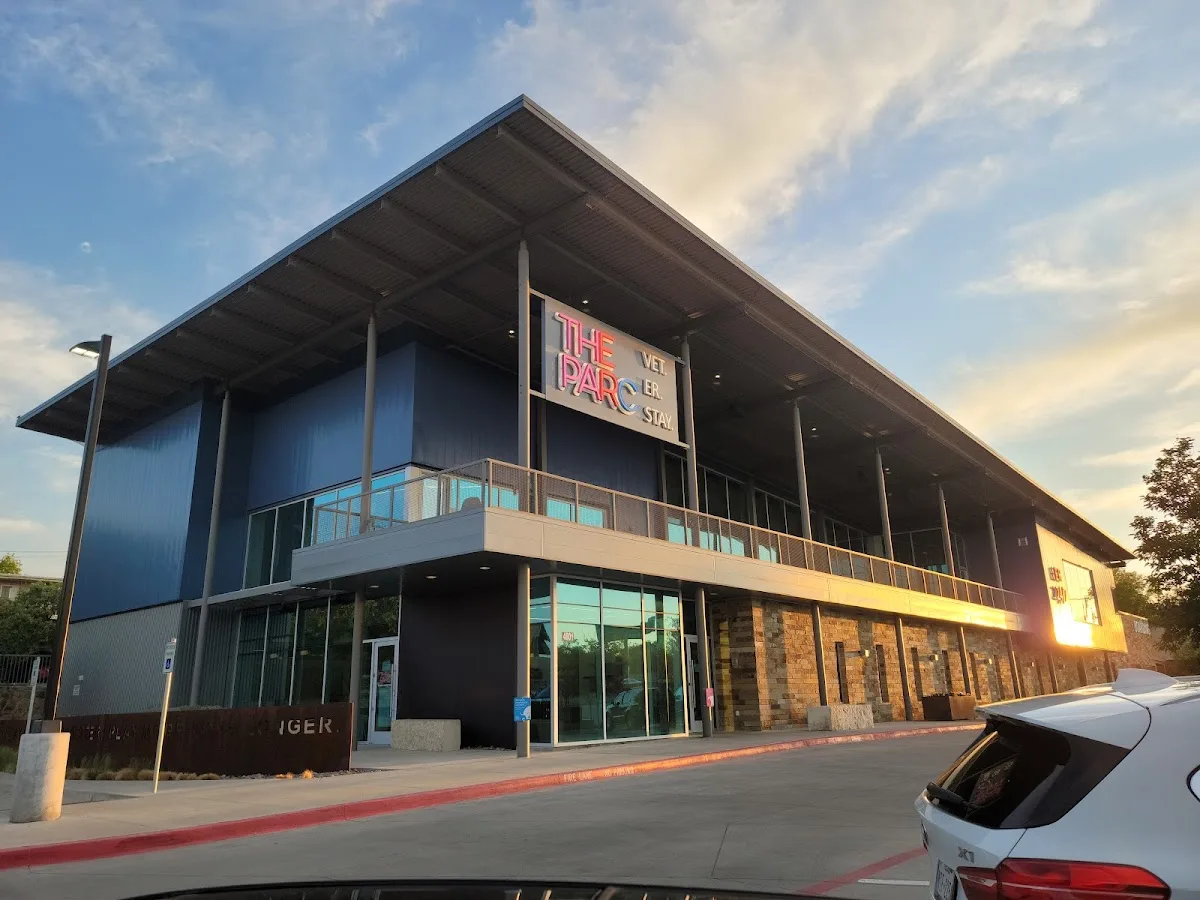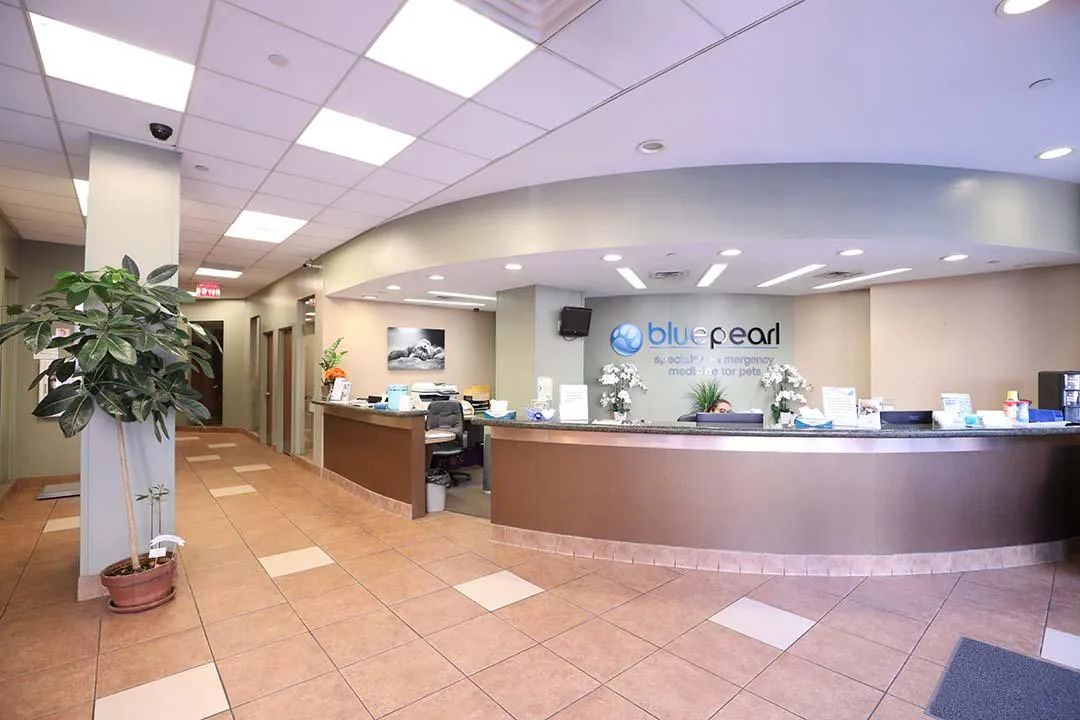
BluePearl Pet Hospital in Forest Hills, Queens is a full-service veterinary hospital with 24-hour availability, located at 107-28 71st Rd, Forest Hills, NY 11375. The listing shows a 3.1 rating from 765 reviewers, which owners set expectations while still recognizing that urgent situations require direct, case-specific decision-making. If a dog or cat is worsening after hours, this kind of around-the-clock access can be the difference between monitored at-home care and urgent in-hospital assessment.

Start with the emergency signs that should not wait
Knowing when to seek care reduces delays. Call BluePearl Pet Hospital at (718) 263-0099 when you notice symptoms such as trouble breathing, repeated collapse, unresponsive lethargy, uncontrolled vomiting, severe bleeding, suspected poisoning, or a sudden inability to urinate. These situations often require immediate triage, stabilization, and diagnostic decisions that are difficult to make accurately at home.
If your pet is improving but the episode was abrupt—such as a sudden seizure, a rapid change in alertness, or persistent vomiting—contacting an after-hours hospital still helps. The goal is to confirm whether your pet needs urgent treatment now or can be safely monitored overnight with clear, symptom-based instructions.
What to do in the minutes before you arrive
Before leaving, gather basic information that speeds medical triage. Bring any medication packaging, a written list of current prescriptions and doses, and details about when symptoms began. If the pet may have ingested something, bring a sample if possible (for example, a portion of a suspected toxin) and note approximate timing and quantity. For outdoor pets or travel, mention exposures such as new plants, pest-control products, or recent changes in diet.
During transport, keep the pet warm and minimize stress. If vomiting is occurring, consider how you will manage potential mess and prevent aspiration. If your pet is in pain and you need to restrain them, use a calm, controlled approach; for severe distress, calling ahead staff advise on arrival procedures.
How 24-hour triage is typically structured at a hospital like this
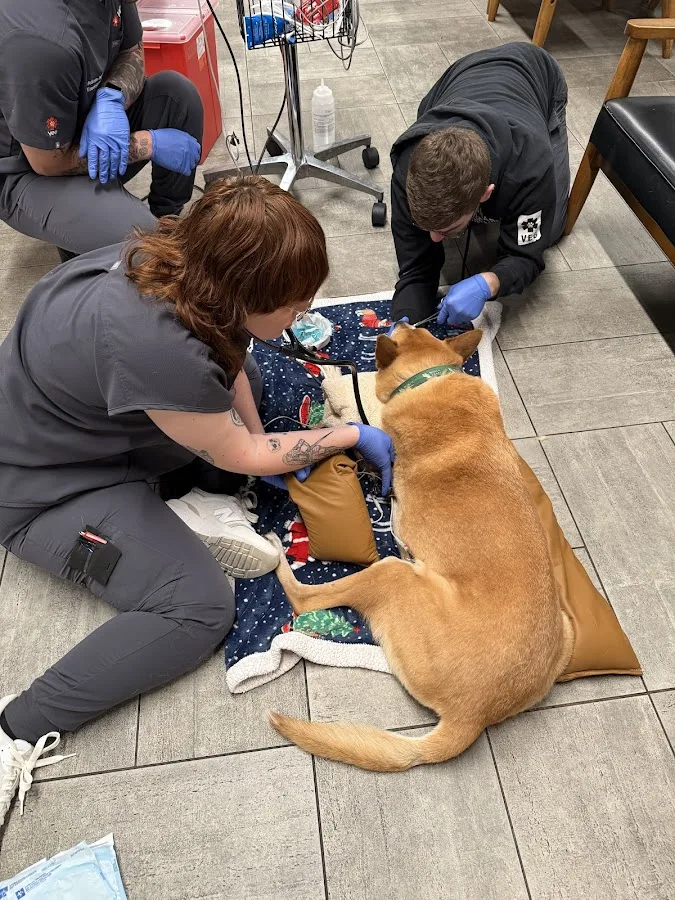
At a 24-hour animal hospital, triage usually starts with vital signs and observation-based assessment, followed by targeted questions about symptom onset, hydration status, and known medical history. The next steps often involve deciding whether stabilization should begin immediately (for example, oxygen support or fluid therapy) or whether testing should be performed first to guide treatment.
Common priorities during emergency evaluation include checking respiratory effort, perfusion, temperature, pain level, and neurologic status, then selecting diagnostics appropriate to the presentation. Even when the eventual diagnosis takes time, early stabilization supports organ function while the team narrows the causes.
What tests and treatments you may hear about after arrival
For many emergency cases, testing may include bloodwork, imaging when indicated, and assessment of hydration and circulation. If your pet is vomiting, coughing, or showing weakness, diagnostics help distinguish between gastrointestinal illness, airway disease, toxin exposure effects, or other urgent causes. If a pet is suspected to have ingested a toxin, the treatment plan may focus on decontamination when appropriate and supportive care while clinicians monitor response.
For pain-related emergencies or suspected injuries, clinicians may prioritize analgesia and imaging based on exam findings. If hospitalization becomes necessary, expect the team to discuss what monitoring is required and what signs will determine the next decision points.
Cost expectations and how to reduce delays
Emergency care costs vary by diagnostics, procedures, and the level of monitoring required. Owners can reduce frustration and last-minute uncertainty by asking what baseline charges may look like for triage and recommended testing, then clarifying the plan if additional diagnostics become necessary. Calling (718) 263-0099 before arrival is often the fastest way to confirm the immediate availability of services for your pet’s situation.
If your pet has insurance or uses financing options, have that information ready. Many owners also find it helpful to ask for a clear, symptom-driven plan: what happens in the first hour, what results they need to see, and what the next decision is if symptoms do not improve.

One checklist for owners: what to say on the phone
When calling BluePearl Pet Hospital, be ready to share: your pet’s species, age, weight estimate, and current condition; when symptoms started; the most concerning symptom (for example, difficulty breathing or repeated vomiting); what medications were given since symptoms began; and any suspected exposures. If you can, mention whether your pet is still eating or drinking and whether urination has changed.
Clear details help triage teams estimate urgency and prepare for the most likely stabilization needs. With 24-hour access at 107-28 71st Rd, Forest Hills, this hospital is designed for owners who need a direct path to emergency assessment when symptoms cannot wait for daytime hours.