If your dog or cat needs emergency veterinary care, it helps to line up the clinic’s intake flow with your situation before you arrive. Animal Emergency & Trauma Center in Greensboro is listed as providing 24/7 emergency veterinary care, but the most important verification is operational: can the team triage your case category quickly and tell you exactly what to do next?
This guide uses the clinic’s public listing information and the official website for Carolina Veterinary Specialists (the organization tied to this emergency hospital). The goal is to help you prepare for the first conversation, reduce confusion at arrival, and decide whether to call immediately for emergency intake versus route through a regular veterinarian.
Confirm the core “reach us now” details for Animal Emergency & Trauma Center
Before you load the car, verify the basics for this location so you’re contacting the correct emergency team:
4.2 from 5 reviewers
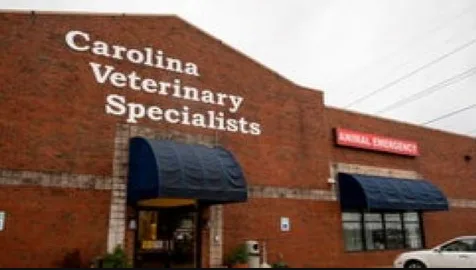
Address: 501 Nicholas Rd, Greensboro, NC 27409, United States
Phone: +1 336-632-0605
Official website: http://greensboro.carolinavet.com/
On the Carolina Veterinary Specialists site for Greensboro, the hospital states it provides 24/7 emergency veterinary care, including Saturdays and Sundays. The site also describes emergency veterinarians as available when a primary care veterinarian is unavailable.
Use the call to verify how their emergency triage works for your specific case
“24/7” is a starting point, not a full answer. Even in an emergency hospital with round-the-clock availability, intake procedures can differ depending on the type of critical care workflow required. When you call Animal Emergency & Trauma Center, ask a question that matches your pet’s category so the team can confirm the right intake pathway.
For example, you can ask:
- “When you triage new patients at intake, do your emergency veterinarians handle these cases directly, or do you route some situations to referrals first?”
- “What information helps you determine urgency fastest during triage?”
- “Do you handle emergencies for the species I’m bringing (dog/cat), or is there any limitation?”
This is the fastest way to validate that their emergency process fits your pet’s needs—beyond simply confirming hours.
Prepare a short “first-call packet” so triage can move quickly
To reduce back-and-forth, you can organize a brief set of facts before you call Animal Emergency & Trauma Center. During the phone conversation, aim to communicate observable details so the team can triage safely and decide the next steps in their workflow.
Common items to be ready with include:
- What changed and when (for example, “started this morning” or “within the last 2 hours”)
- Primary concerns in plain language (breathing trouble, bleeding, collapse, repeated vomiting, seizures, inability to urinate, or similar)
- Any known exposures (toxic substances, plants, or medications)
- Pet details such as age/size and any known conditions
The point isn’t storytelling—it’s giving the emergency staff the information they need to guide triage decisions.
On arrival, confirm the local check-in flow and what to bring
Emergency triage is time-sensitive, and the details that affect your experience tend to be operational: where you should enter, how you should check in, and what materials they want at intake. Listings may say “emergency,” but they don’t always describe the exact process you’ll follow.
When you speak with the team, ask for clarification on practical next steps such as:
- Whether they want you to call upon arrival or check in at a specific entrance
- What they expect you to have with you (for example, identification and any available prior records)
- Whether they want a written list of current medications (or whether you should bring the medication container details)
If you think there may be multiple emergencies arriving at once, you can also ask how they prioritize new patients during intake—especially if your case is time-critical.
If the line is busy, decide when another call helps
If you reach a busy signal, it’s reasonable to try again promptly. Once you confirm they can triage your case category, focus on getting your pet there safely.
That said, a second call can still be useful if the first conversation reveals something important about the pathway—for example, whether your situation requires a specialty referral process. If anything during the discussion is unclear, request a direct statement of next steps such as: “What should I do right now, and what should I bring?” A clinic that communicates clearly is usually the one that can guide you through the emergency intake process.
Bottom line: Animal Emergency & Trauma Center (501 Nicholas Rd, Greensboro) is publicly listed with 24/7 emergency veterinary care. Use the address and phone number above to verify their emergency triage details for your pet’s case category, and arrive prepared with a concise first-call packet so the intake conversation can move fast.